The Trends of Kitchen Appliances in 2026: Smart, Energy-Efficient, and Sustainable Choices
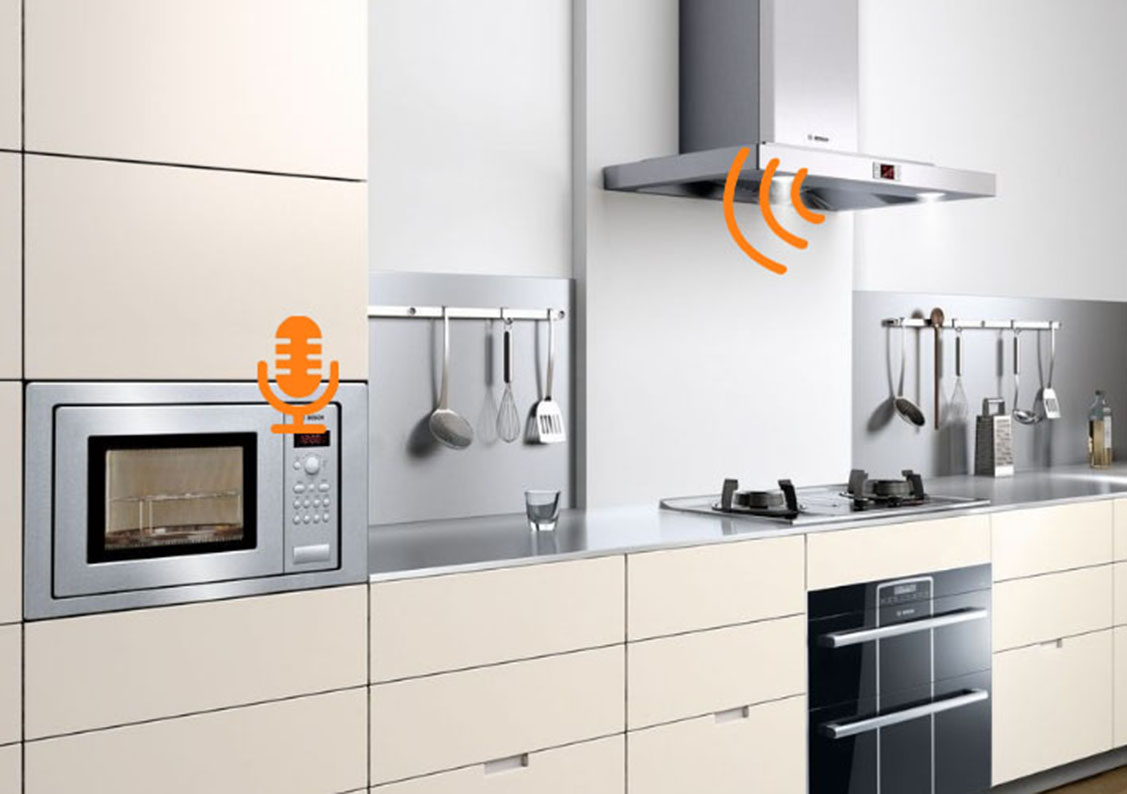
With the continuous development of technology and the diversification of consumer needs, kitchen appliances have evolved significantly. Today, they not only enhance our cooking efficiency but also offer convenience and comfort through smart features and energy-efficient, eco-friendly designs. In 2026, the focus of kitchen appliances will be on smart technology and energy efficiency, which aligns with the growing demand for personalized, convenient living and the increasing awareness of environmental sustainability. From my personal experience, I’ve been upgrading my kitchen appliances over time, and every step has significantly improved my quality of life. I’ll share my experiences and discuss the trends shaping the future of kitchen appliances.
1. Smart Kitchen Appliances: Convenience, Personalization, and Remote Control
In recent years, my kitchen appliances have increasingly incorporated smart technology, and especially the addition of smart ovens, refrigerators, and kitchen assistants, has made cooking so much easier. By 2026, smart kitchen appliances will become even more functional and integrated into daily life, offering more convenience, remote control capabilities, and personalization.
1.1. Smart Ovens: From “Baking” to “Smart Recipe Recommendations”
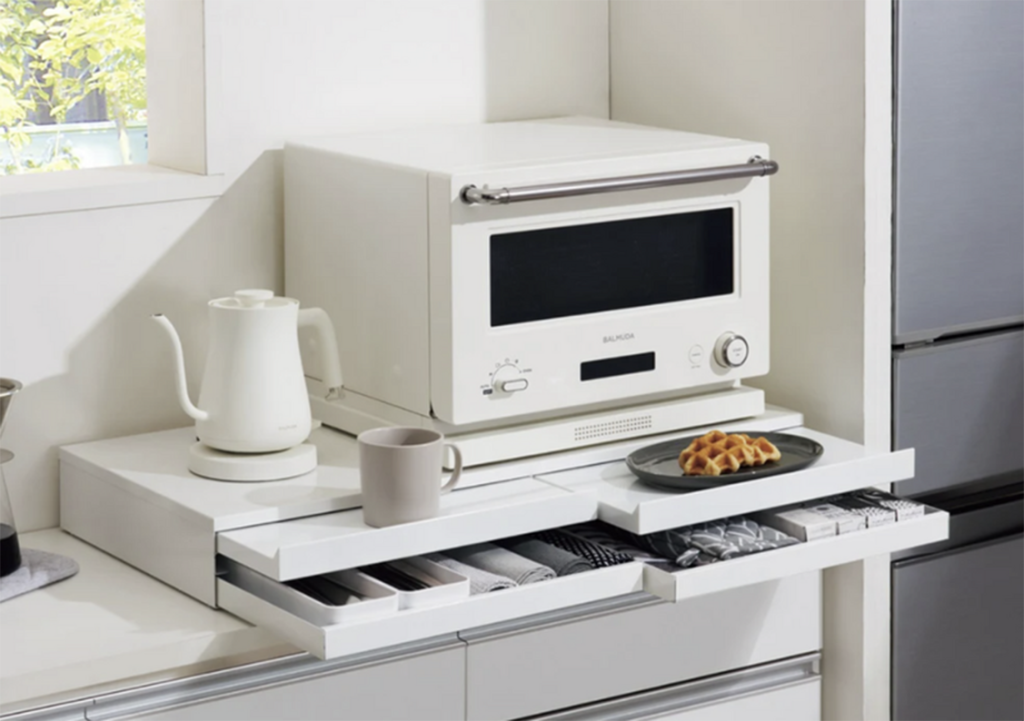
A few years ago, I replaced my regular oven with a smart oven, initially because it allowed remote control, so I could start cooking dinner even when I wasn’t at home. Now, this oven has become an essential part of my kitchen. Not only can it adjust the temperature and time automatically based on the type and weight of the food, but it also recommends optimal cooking methods via built-in AI. For example, when I bake, the oven adjusts the temperature and time automatically according to the recipe. I can control the oven via an app on my phone, and check the status of my food while I’m out. In 2026, smart ovens will become even more precise, capable of customizing recipes based on my dietary preferences and health needs. This technology undeniably makes cooking much more convenient and personalized.
1.2. Smart Refrigerators: More Than Just Storage – The Brain of the Kitchen
My smart refrigerator is no longer just a food storage tool. It uses built-in cameras and sensors to monitor the contents of the fridge in real time, and it can notify me when food is about to expire. It even suggests recipes based on the ingredients I have on hand. Once, I wanted to make a healthy salad, and the fridge automatically suggested a combination of ingredients I already had, including adding nuts and honey, which turned out to be delicious. By 2026, refrigerators will be even smarter, linking to other kitchen appliances like ovens and dishwashers. Food information will sync with cooking processes, making the kitchen more efficient.
1.3. Smart Kitchen Assistants: From Prep Work to Cleanup
I recently added a smart kitchen assistant, a device that integrates food chopping, stirring, and cleaning functions. It not only recognizes ingredients but can also chop, stir, and even season food based on the recipe I choose. One time, it handled almost the entire cooking process—from prep work to cooking. It saved me a lot of time and effort, especially since I have a busy schedule. In 2026, smart kitchen assistants will combine even more AI functions, such as adjusting cooking methods based on ingredients and optimizing cooking workflows, making kitchens much more efficient and intelligent.
2. Energy-Efficient and Eco-Friendly Kitchen Appliances: A Green Cooking Revolution
In addition to smart features, 2026 kitchen appliances will increasingly focus on energy efficiency and environmental sustainability. As global awareness of climate change and environmental protection grows, more consumers, myself included, are paying closer attention to the energy consumption and eco-friendliness of their kitchen appliances. Over the past few years, I’ve shifted towards energy-efficient appliances, especially in my kitchen, and the benefits have been noticeable—not just in reducing carbon footprints but also lowering my energy bills.
2.1. Energy-Efficient Refrigerators: Variable Frequency Technology and Sustainable Materials
After using my refrigerator for a few years, I noticed that my energy bills were rising steadily. So, I upgraded to a new energy-efficient model with variable frequency technology. This fridge automatically adjusts the compressor’s frequency according to the internal temperature, avoiding the energy waste associated with frequent start-stop cycles in traditional refrigerators. I’ve noticed a significant reduction in my electricity bill since I made the switch, and the fridge’s performance is much more stable. Furthermore, the internal insulation materials are more eco-friendly, helping to reduce environmental impact. In 2026, we can expect refrigerators to adopt more sustainable materials and highly efficient energy systems, turning them into eco-friendly household champions.
2.2. Energy-Efficient Ovens and Microwaves: More Efficient Heating Methods
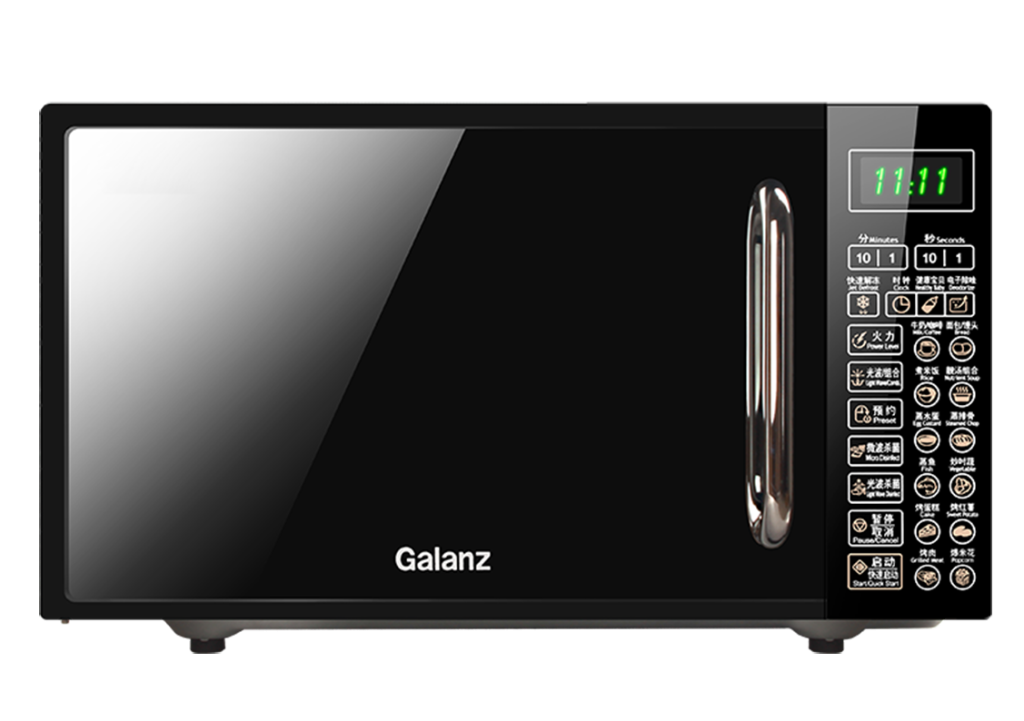
Energy efficiency has become a key consideration in appliance design, especially for ovens and microwaves. My new oven utilizes hot air circulation technology to cook food evenly, reducing energy consumption while shortening cooking time. Compared to traditional ovens, it offers significantly better energy efficiency. I’ve also replaced my old microwave with an energy-efficient one, which uses more precise power control and high-efficiency heating methods to save energy. As the technology improves by 2026, we will see more ovens and microwaves utilizing direct current motors and advanced heating materials to reduce power consumption, benefiting both the environment and our wallets.
2.3. Use of Eco-Friendly Materials: Healthier and More Sustainable Kitchens
Over the years, I’ve become more mindful of the materials used in my kitchen appliances. Especially with high-use items like refrigerators and ovens, I now prefer eco-friendly materials that are non-toxic and sustainable. Increasingly, many kitchen appliances are being made from recyclable stainless steel, eco-friendly plastics, and non-toxic coatings, all of which contribute to a longer lifespan and less environmental impact. By 2026, we’ll see even more appliances made from sustainable materials, ensuring that eco-friendly kitchens are not just a trend but a long-term standard.
3. The Future of Kitchen Appliances: Multi-Functionality and Personalization
As technology continues to evolve, kitchen appliances will offer more diverse functionalities and increasingly prioritize personalization. The future kitchen will no longer simply have appliances that perform singular tasks. They will integrate multiple functions, streamline workflows, and provide users with more customized options.
3.1. The Rise of Multi-Function Appliances
For instance, multi-function rice cookers, ovens, and microwaves are already on the market, offering cooking options for baking, roasting, grilling, and steaming, all in one device. In 2026, more appliances will adopt a multi-function integrated approach, where each kitchen appliance will cover multiple cooking functions. This will save space, reduce clutter, and offer greater convenience, especially in small kitchens.
3.2. Personalization: Adjusting for Taste and Health Needs
Furthermore, personalized cooking experiences will become increasingly common. Smart ovens will not only suggest recipes based on ingredients but will also offer personalized cooking modes based on individual tastes and dietary preferences. For those with special dietary requirements (like low-salt or low-sugar diets), kitchen appliances will provide customized cooking modes and recipe suggestions, helping users meet their health goals while enjoying delicious food.
Towards a Smart, Energy-Efficient, and Sustainable Kitchen Future
Looking back over the past few years, I’ve witnessed how advancements in kitchen appliances have significantly improved my daily life. With the ongoing trends of smart technology and energy efficiency, the kitchen of 2026 will become even more intelligent, efficient, and sustainable. Personally, as I’ve upgraded to smarter and more energy-efficient appliances, my cooking process has become easier, and my home is more eco-friendly.
For consumers, choosing smart, energy-efficient kitchen appliances will not only enhance convenience but also help save energy and reduce household costs. More importantly, it aligns with the global push for sustainability. By 2026, the kitchen will be a space that embodies both high-tech innovation and environmental consciousness, where cooking and sustainability can coexist harmoniously. Let’s look forward to the green, intelligent, and efficient kitchens of the future!