Avoid These Cleaning Errors That Harm Furniture
Why Your Cleaning Routine Might Be Harming Your Furniture
You’ve spent hours choosing the perfect dresser, sofa, or dining table. You’ve picked pieces that fit your style, your budget, and your lifestyle. But here’s a quiet truth most people overlook: the way you clean your furniture might be doing more harm than good. Everyday habits, like grabbing the nearest spray bottle or using a rag you’ve used for windows, can lead to irreversible damage—especially over time. What you don’t know can cost you a lot of money and emotional connection to your favorite pieces.
Take Sarah from Chicago, for example. She bought a mid-century walnut console table for her living room, loving its warm grain and strong lines. After a few months, she noticed fading, uneven spots, and a sticky residue. She asked her local furniture repair shop—“What happened?” The answer? “You used a generic all-purpose cleaner. The alcohol and ammonia weakened the finish, and the wrong cloth caused micro-scratches.” Her mistake wasn’t malice—just lack of awareness. This story isn’t unique. Millions of homeowners make similar errors, not because they don’t care, but because they’ve never been taught the right way.
Using the Wrong Cleaning Products Is a Top Risk
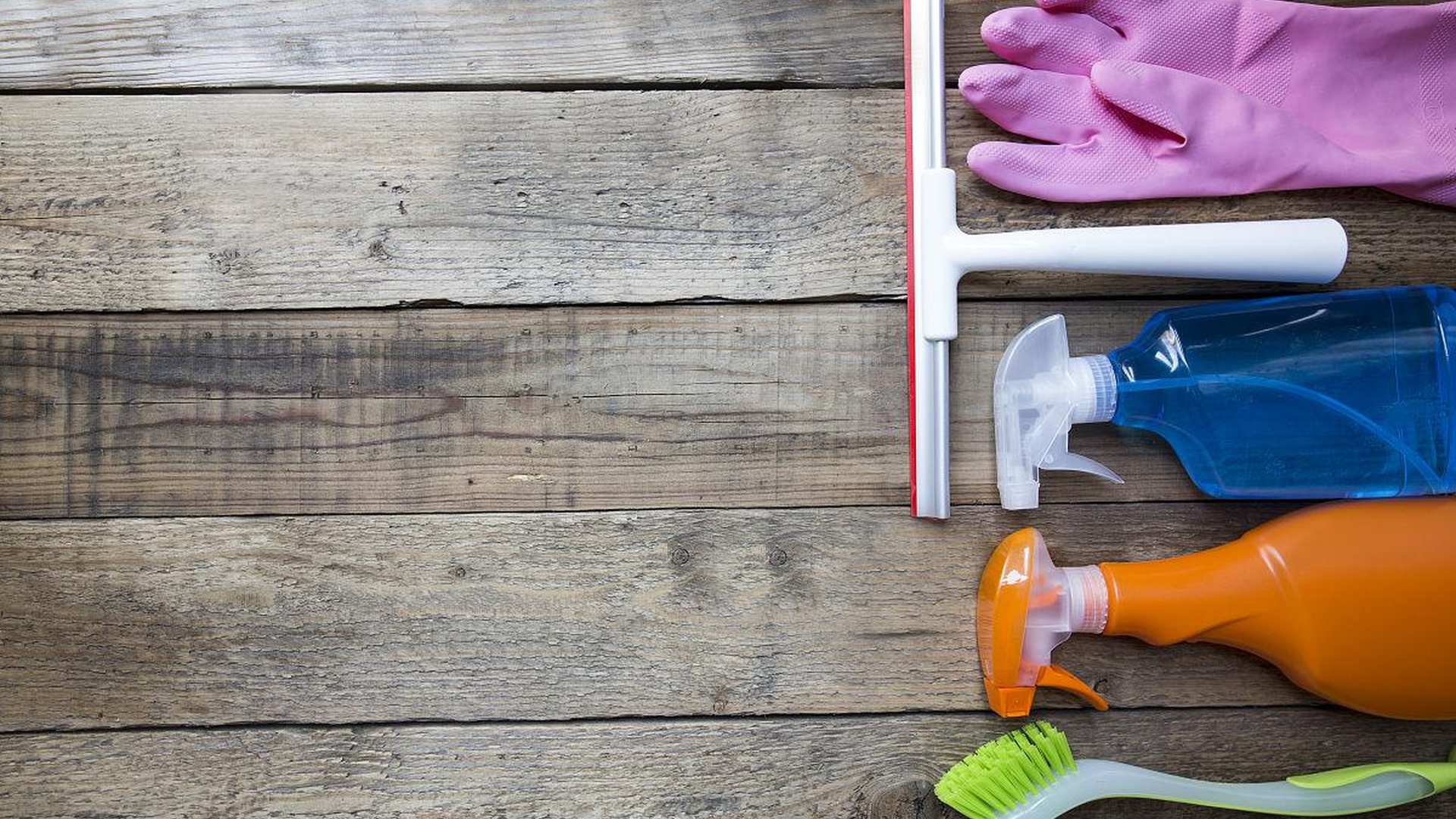
The most frequent mistake? Assuming all cleaners are the same. That all-purpose cleaner you use on countertops, glass, and even your bathroom tiles? It’s not safe for wood, fabric, or leather. Most commercial cleaners contain alcohol, ammonia, or strong surfactants—ingredients that strip natural oils, dull finishes, and weaken fibers.
Wood furniture, for example, relies on a protective layer to maintain its beauty. When you spray a generic cleaner directly on a walnut side table, you’re not just removing dust—you’re dissolving the finish. Over time, this leads to drying, cracking, peeling, and irreversible color shifts. In severe cases, a single inappropriate wipe can cost hundreds to repair.
Even fabric or upholstered pieces can suffer. Using bleach-based cleaners on a living room sofa, especially one made with natural fabrics like linen or cotton, can cause fading, weakening of fibers, or even chemical burns. The same goes for leather—a common mistake is using household soaps to clean a leather ottoman. These disrupt the leather’s natural oils, making it brittle and prone to splitting.
The fix? Use cleaners designed for your furniture type. Look for labels like “wood-safe,” “leather-friendly,” or “fabric-specific.” Products from trusted brands like Bona, Fabuloso (wood/fabric variant), or even simple mixtures of vinegar and water (1:4 ratio) are far safer than grabbing whatever’s on the shelf.
Forgetting to Test Cleaners on a Hidden Spot
Many people skip this simple but vital step. They grab a cleaner, spray it on a visible patch, and immediately wipe away. But what if the finish is old? What if the wood is already slightly porous? What if the fabric has an invisible stain or dye? Without testing on a hidden area—like under a table edge, inside a drawer, or behind a cushion—you’re risking irreversible changes.
Here’s what to do: Apply a small amount of your chosen cleaner to a discreet area. Wait 2–3 minutes. Check for color changes, fading, pooling, or any reaction. If it darkens, bubbles, or feels sticky, stop. Use a different product. This small test saves hundreds in potential repairs and emotional regret.
A couple in Austin failed to test a new fabric spray on their light-gray sectional. After one treatment, the fabric turned patchy—one side darker, the other lighter. The repair cost was nearly double the price of the sofa. This could have been avoided with one 30-second test.
Using Harsh Tools or Unnecessary Scrubbing
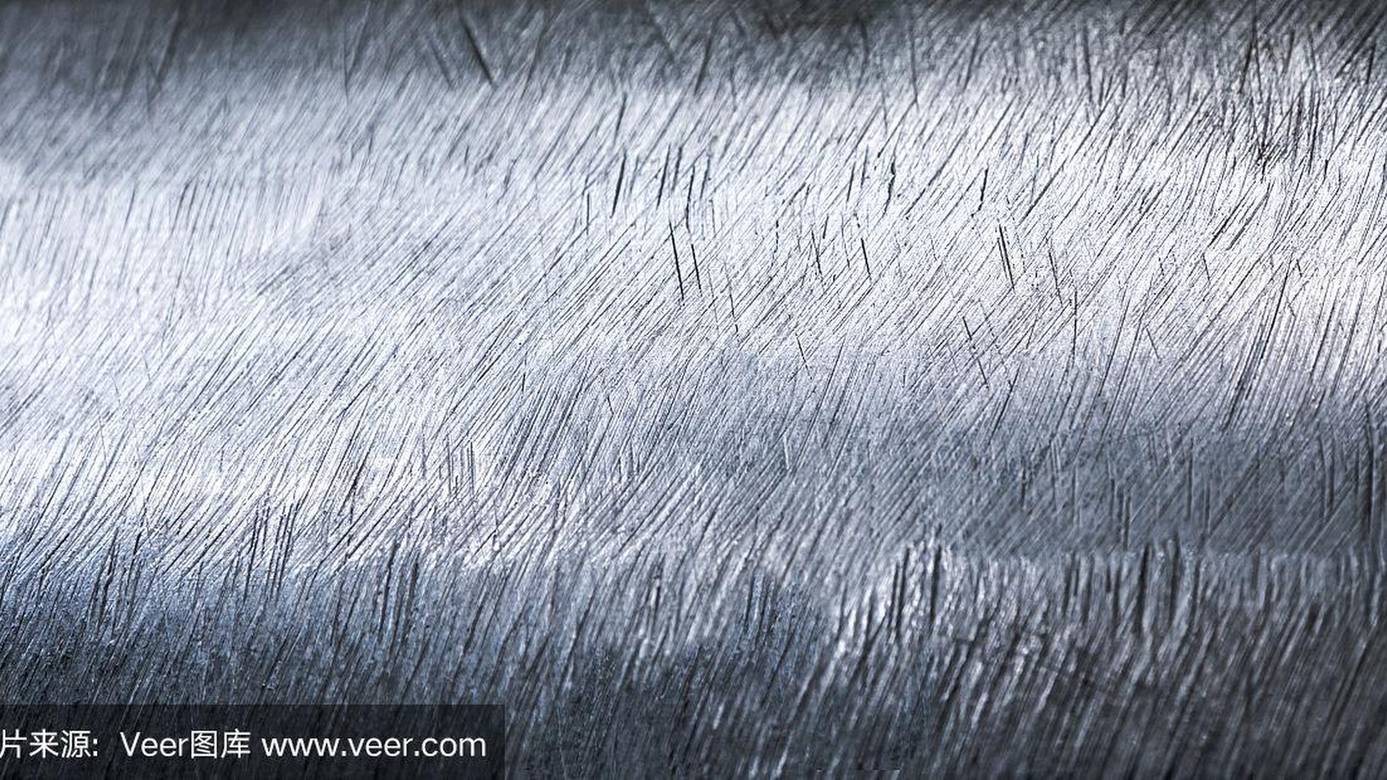
The idea that “more scrubbing means cleaner” is a myth—and it’s one of the most damaging habits. Using steel wool, abrasive sponges, or even a rough towel on a delicate surface causes micro-scratches. Over time, these turn into deep grooves that trap dirt and make polishing nearly impossible.
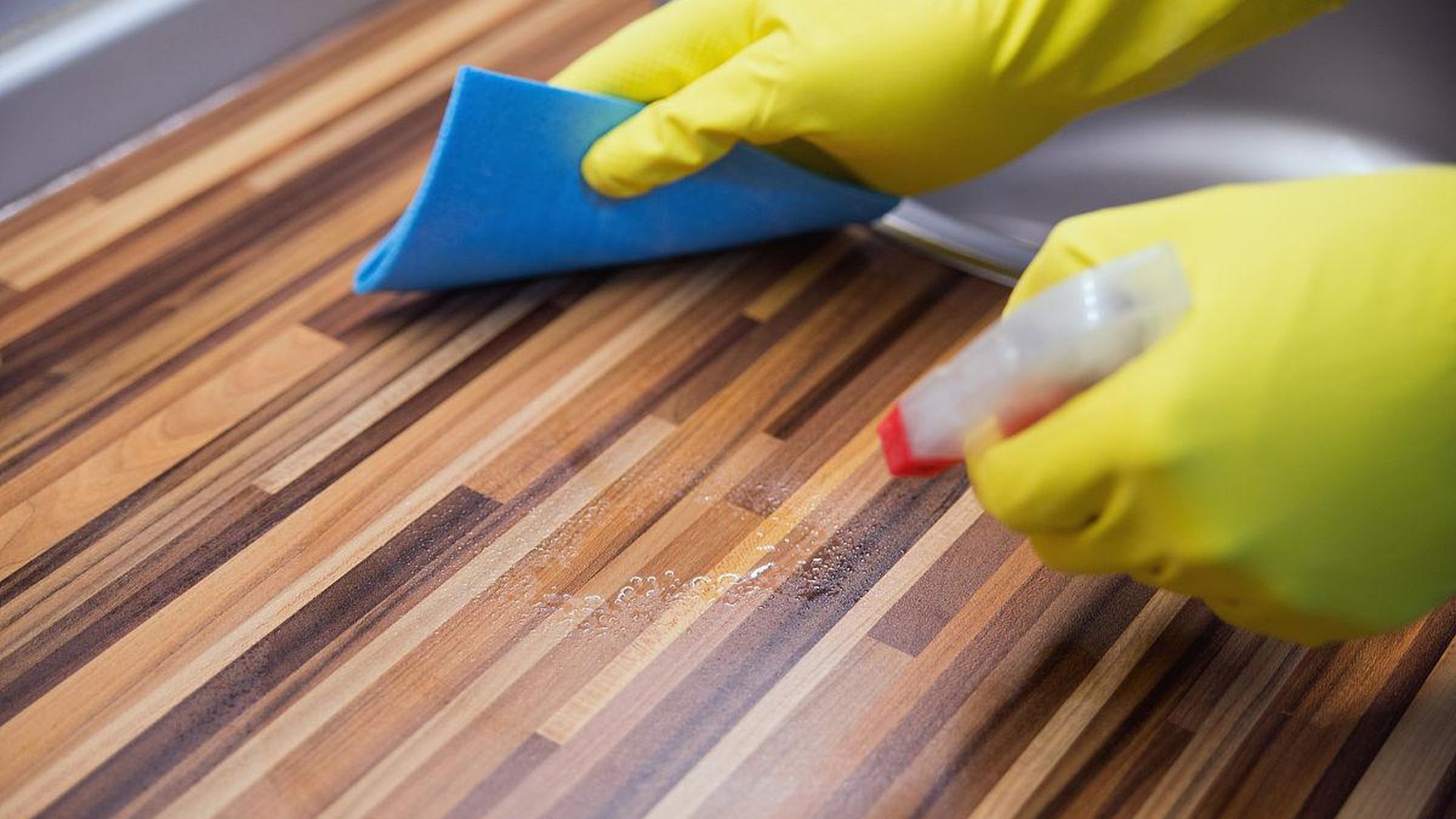
For wooden furniture, always use a soft microfiber cloth. For painted surfaces, avoid anything with texture. For upholstery, use a dry, soft brush or a vacuum with a soft brush attachment. If you must use a damp cloth, wring it out until it’s barely moist—drip-free. Never soak your furniture.
John, a homeowner in Portland, once cleaned his antique oak bookshelf with a kitchen scouring pad. He thought he was removing grime. Instead, he destroyed the subtle hand-rubbed finish, leaving it looking dull and worn. He later said, “I could still see the marks from the pad—like scars from a fight I didn’t even know I was in.” That’s the reality of over-scrubbing: it’s not cleaning—it’s destruction.
Ignoring Moisture Build-Up and Water Damage
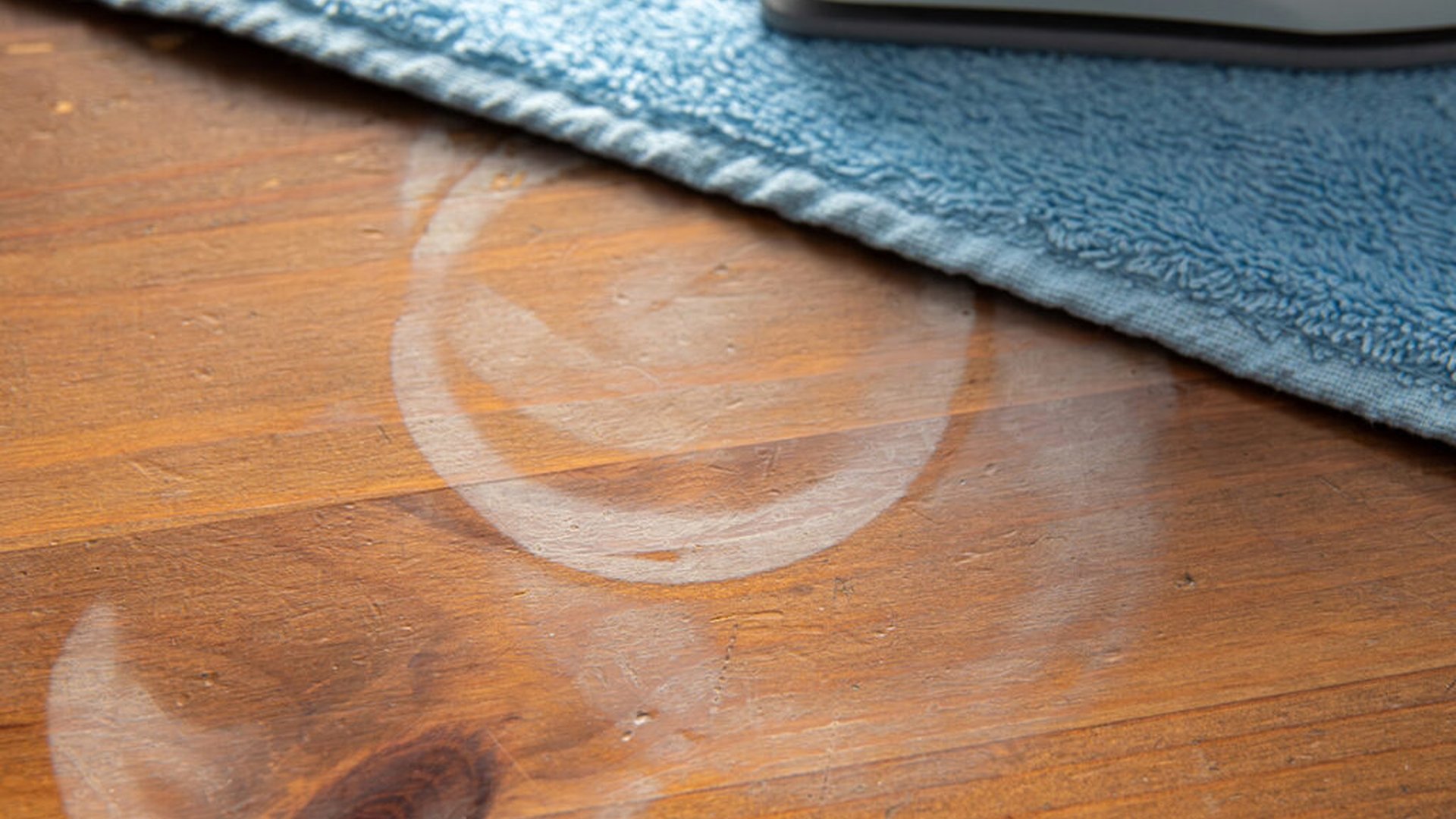
The biggest silent enemy? Moisture. A wet rag left on a piece of furniture—even for 15 minutes—can warp wood, cause swelling, or create mold in fabric. It’s not just about liquids, though. Humidity, condensation, and even improper drying after cleaning can lead to long-term damage.
Never let a damp cloth sit on a wood surface. If you clean with a cloth, dry immediately with a dry, soft towel. After cleaning upholstery, always allow at least 24 hours of air-drying before using the piece. If you live in a humid climate, consider using a dehumidifier in rooms with wood furniture.
In Miami, a family left a kitchen table wet after using a wet rag to clean up a spilled drink. Within two weeks, the wood swelled, the grain rose, and the finish cracked. The only solution? Full refinishing—costing $1,200. A simple wipe-and-dry would have prevented it.
How to Clean Furniture the Right Way—A Simple Guide
Now that you know what to avoid, here’s what to do instead:
Start with a dry microfiber cloth to remove dust. Use it in a circular motion—gentle, consistent. Then, for wood: apply a small amount of a wood-safe cleaner to the cloth, not the surface. Wipe with the grain. Follow with a clean, dry cloth to buff.
For fabric: use a vacuum with a fabric attachment. For stains, spot clean using a damp cloth with mild soap. Blot—don’t rub. Let dry completely.
For leather: use a damp cloth with a leather-safe conditioner. Avoid over-wetting. Dry immediately.
Most importantly, treat every piece as a living object. It has a history, a presence, and a value—emotional and financial. Respect it. Clean it with care. When you do, your furniture won’t just look better—it’ll last longer, and it’ll feel more like home.