How to Ensure Peace of Mind with Domestic Services? A Practical Guide to Privacy Protection

As the pace of modern home life accelerates, housekeeping services have become an increasingly common choice for many families. From routine cleaning to deep organization, the involvement of domestic workers helps make homes more orderly and efficient. However, behind this convenience, some safety and privacy concerns have gradually emerged.
In practice, many families have similar worries when using housekeeping services: strangers entering private spaces, valuables being exposed, and personal life being “seen” or even recorded. These issues are not isolated cases—they represent common potential risks within the domestic service industry.
Common Safety Risks Include:
- Blurred privacy boundaries: Private spaces such as bedrooms and studies often lack clear restrictions, making them vulnerable to unauthorized access or handling.
- Unauthorized access or photography: Some domestic workers may unintentionally or deliberately handle sensitive items, documents, or smart devices.
- Property safety risks: Furniture, electronics, or cash may be lost or damaged due to improper management.
- Information leakage: Daily routines, living arrangements, and even smart device information may be inadvertently or maliciously disclosed.
- Unclear personnel background: Some workers from informal channels lack proper screening and training, increasing trust risks.
These concerns make “whether it’s safe to hire a housekeeper” a key worry for many families. Therefore, ensuring privacy and safety while enjoying housekeeping services has become an essential part of modern home life.
1. Define Privacy Boundaries: Communication Comes First
Housekeeping services involve spaces and items that are often highly private, such as bedrooms, studies, wardrobes, documents, and valuables. Without clear boundaries, unintentional privacy breaches or misplaced items can easily occur.
Recommended practices:
- Create a list: Identify restricted areas such as safes, desk drawers, or personal cabinets.
- Explain verbally: Spend a few minutes clarifying rules when the worker arrives.
- Respect personal habits: Explain preferences for organizing clothes, kitchens, or furniture.
- Use visual cues: Labels or storage zones can help avoid mistakes.
Tip: For smart devices (e.g., smart locks or cameras), consider setting temporary permissions or disabling certain functions.
Personal experience:
The first time I hired a housekeeper, I simply said “please clean.” They reorganized my desk and cabinets with good intentions, but it made finding personal documents difficult. Later, I started locking important items and clearly stating which areas didn’t need organizing—making the process smoother and more comfortable.
Through clear communication and reasonable boundary setting, you can effectively protect household privacy while making housekeeping services more efficient and professional, establishing a foundation of trust from the start.
2. Build Trust from the Source: Choose Reliable Platforms
The first step in ensuring safety is selecting trustworthy personnel, which depends largely on the platform used.
Recommended platforms:
- Care.com: Offers identity verification, background checks, and reviews.
- TaskRabbit: Provides structured processes, booking records, and transparency.
Selection tips:
- Choose platforms with verification and training systems.
- Check reviews and service history carefully.
- Look for detailed profiles and skills.
- Start with small tasks before long-term cooperation.
Personal experience:
Initially, I hired a housekeeper through a friend’s recommendation, but due to a lack of standardized expectations, their habits didn’t match mine. Differences in organizing style and higher communication costs made the experience less smooth. Later, I tried using platforms, and the experience was noticeably better.
When using Care.com, I pay attention to review details, such as mentions of “careful” or “does not handle items carelessly,” which are more meaningful to me than just the score. For my first session, I booked only kitchen and living room cleaning and observed whether the worker proactively asked which areas could be organized and which should remain as-is.
I also tried TaskRabbit, whose booking and communication process is clearer. All services are documented, which reassures me psychologically. When issues arise, I can report through the platform instead of negotiating privately, which provides additional security.
Using reputable platforms to select housekeepers not only reduces safety risks but also ensures a more standardized and transparent service process. For families, this step may seem simple but is key to establishing a long-term trusting relationship.
3. Clarify Privacy Boundaries: Let Rules Come First
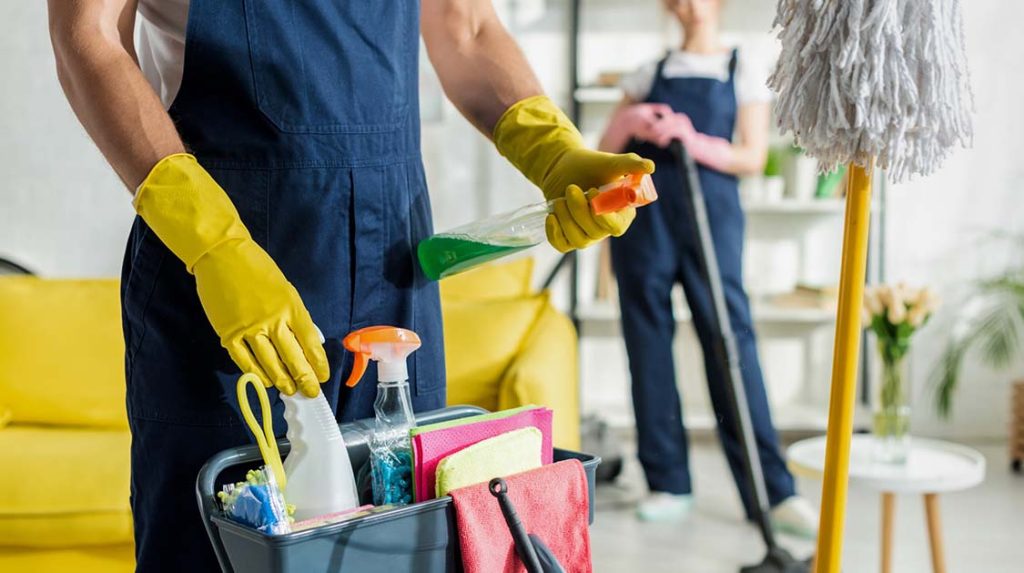
Housekeeping services enter the most private areas of a home—from bedrooms to studies, from wardrobes to storage cabinets. Many of these spaces involve personal habits and private information. Without pre-established rules, even well-intentioned organizing can cross boundaries. Therefore, setting rules in advance is an important step in building safety and trust.
Rather than constantly reminding the housekeeper during service, it is better to clearly define boundaries from the start. This avoids awkward situations and allows the housekeeper to work more efficiently.
Practical methods:
- List “restricted areas”: For example, study drawers, wardrobe interiors, storage cabinets, or personal storage spaces. Clearly indicate “Do not organize” or “Do not open.”
- Mark sensitive items: For valuables, important documents, or collectibles, store them together or provide simple indicators to reduce the risk of accidental handling.
- Communicate organizing preferences in advance: Explain, for example, whether clothes should be folded by category, whether kitchen items should remain in place, or whether desktops require “clean only, no organizing” to prevent issues caused by differing habits.
- Divide cleaning scope: Separate “areas that can be organized” from “clean-only areas.” For instance, the living room may receive deep cleaning, while bedrooms receive only basic cleaning.
Furniture website tip:
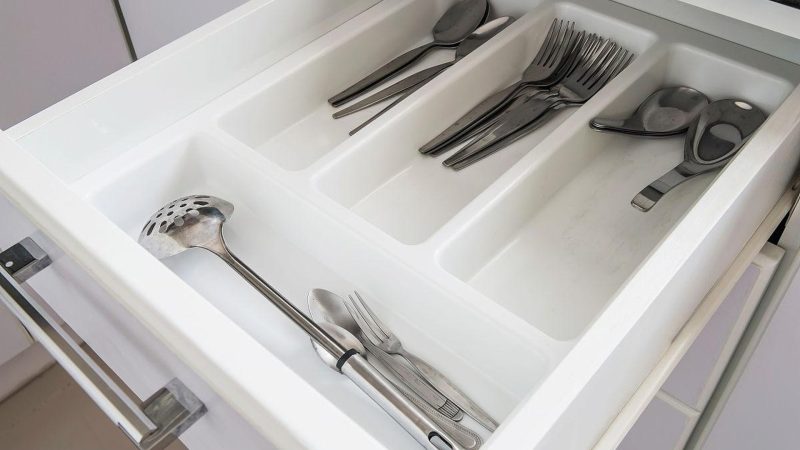
For furniture with storage functions (e.g., sideboards, TV cabinets, or drawer units), consider using zoned storage or hidden designs to manage personal items. For example, separate frequently used items from private items or use cabinets with doors or locks. This not only keeps the space tidy but also naturally reduces privacy exposure during housekeeping.
Personal experience:
Once, I hired a housekeeper who, while cleaning, also organized my TV cabinet and desk. Their intentions were good, but because some private documents and small items were reclassified, it became difficult to find them. I realized that the main problem was “not having communicated clearly.”
Later, I made two adjustments:
- I centralized important items into a storage cabinet with drawers and clearly explained, “These areas do not need organizing.”
- I simply divided the spaces—for example, the living room could be fully organized, while the study only needed surface dusting.
After these changes, the housekeeping process became much smoother. The housekeeper had clearer direction and didn’t need to ask repeatedly or worry about mistakes. I also felt more comfortable entrusting the space to them.
Clear boundaries not only protect privacy but also improve service efficiency. When rules are explicit, housekeepers can focus on their work, and the household can achieve a better balance between tidiness and peace of mind.
4. Permission Management: Minimize Unnecessary Contact
In housekeeping services, “full access” is not always necessary. On the contrary, reasonably assigning access to different spaces can effectively protect household privacy without compromising service quality. By moderately managing the housekeeper’s activity areas, unnecessary contact can be reduced, making the service safer and more controllable.
This approach is also known as the “minimum contact principle”—only open the spaces required to complete the tasks while keeping the rest private, reducing risk from the source.
Recommended practices:
- Zoned cleaning: Divide the home into “public areas” and “private areas.” For example, the living room, kitchen, and balcony can be fully accessible, while bedrooms and studies can be partially open or limited to basic cleaning.
- Time and space management: Schedule cleaning at fixed time slots and restrict the activity area, avoiding entry into unnecessary spaces when no one is home.
- Use smart locks or devices: Temporary passwords or time-limited permissions can control access, which simplifies management and prevents long-term security risks.
- Furniture-assisted management: Use locked cabinets, storage boxes, or hidden drawers to centralize important documents, valuables, or personal items, reducing exposure.
- Simplify workflow: Pre-arrange areas that need cleaning so the housekeeper can follow a clear route, avoiding frequent movement between different spaces.
Furniture website tip:
When selecting furniture, prioritize designs with zoned storage and hidden compartments, such as multi-layer drawers, cabinets with doors, or lockable sideboards. This not only enhances overall organization but also naturally creates “visible” and “hidden” zones during housekeeping, reducing privacy risks from a design perspective.
Personal experience:
Restricting access to only certain areas and using temporary smart lock codes greatly improved my sense of control and security.
5. Contracts and Rules: Using Systems to Ensure Safety
In housekeeping services, trust is important, but relying solely on verbal agreements is often insufficient. Clearly defining responsibilities through contracts and rules is a key step in protecting household privacy and property. Especially for long-term or frequent services, formal agreements can effectively reduce misunderstandings and potential risks.
A clear housekeeping service agreement not only protects the household but also respects the rights of the housekeeper, allowing both parties to cooperate within a fair and transparent framework.
Suggested elements in a contract:
- Service scope and schedule: Clearly specify cleaning areas, tasks, and service times to prevent unauthorized access or scope creep.
- Privacy protection clauses: Explicitly prohibit taking photos, recording, sharing household information, or discussing the employer externally—particularly important in the context of social media.
- Property and damage responsibility: Specify how to handle furniture, appliances, or other items if damaged, and define liability to reduce post-service disputes.
- Accident and dispute resolution mechanisms: Include complaint channels, compensation processes, etc., so problems have formal procedures instead of relying on personal negotiation.
- Termination and replacement clauses: Allow either party to end cooperation under reasonable conditions when services are unsuitable, reducing risk.
Additional suggestions:
- For platform-based bookings, prioritize using the platform’s built-in agreements or protection clauses.
- For long-term private arrangements, a simple written agreement is recommended—no need for complexity, but it should be clear.
- Important clauses can be confirmed verbally in simple language to prevent misunderstandings.
Personal experience:
I previously worked long-term with a housekeeper entirely on verbal agreements. Initially, everything felt easygoing, but over time, problems arose. For example, once the housekeeper accidentally damaged a small furniture part while organizing. Since we had no prior agreement on how to handle such incidents, both of us felt awkward bringing it up, creating tension.
Later, I learned from this experience and drafted a simple “cooperation guideline.” It was basic: which areas could be organized, which areas should not be touched, and how to communicate if items were damaged. We simply reviewed it together—nothing formal—but the results were excellent. Both sides clearly understood the boundaries, and I felt more confident.
The purpose of a system is not to add constraints, but to reduce uncertainty. When rules are clear, housekeepers can work with peace of mind, and households can feel confident opening their spaces. Ultimately, this structured approach makes housekeeping services more stable, long-lasting, and trustworthy.

6. Respect and Communication: Building Long-Term, Stable Relationships
The sense of security in housekeeping services comes not only from rules and systems but also from trust and understanding between people. Compared to short-term arrangements, long-term stable housekeeping relationships rely more on daily communication and mutual respect.
When housekeepers feel respected and understood, they are more likely to consciously follow boundaries and put care into every task, creating a positive, reciprocal working relationship.
Ways to build a good relationship:
- Maintain clear and polite communication: When making requests or adjusting arrangements, express them clearly and kindly to avoid misunderstandings from vague instructions.
- Provide timely feedback: Acknowledge tasks done well, and if adjustments are needed, gently point them out so the housekeeper can accept feedback more easily.
- Respect the housekeeper’s privacy and boundaries: Do not go through their personal belongings or ask excessively about their private life, fostering a balanced and respectful relationship.
- Establish routine communication habits: For example, briefly confirming the work completed at the end of each service can reduce errors and strengthen trust.
Personal experience:
A housekeeper who always asked before organizing made me feel very secure. Over time, we developed mutual understanding and trust.
7. Combining Furniture and Privacy Protection
From the perspective of furniture and home design, privacy protection is not solely dependent on management practices—it can also be achieved through thoughtful furniture choices and spatial planning. Choosing and arranging furniture wisely serves as an “invisible privacy safeguard.”
By establishing clear “visible” and “hidden” zones within a space, the likelihood of privacy exposure can be naturally reduced without increasing communication efforts.
Practical recommendations:
- Use storage furniture with doors: Cabinets, storage units, and drawer chests can hide personal items, reducing the uncertainty caused by exposed belongings.
- Separate storage for valuables: Collectibles or important ornaments can be placed in glass display cases or lockable cabinets, both for aesthetic display and protection.
- Enhance safety with smart furniture: Lockable drawers, sensor cabinets, or smart storage systems can restrict access when needed, improving overall security.
- Optimize space layout: Clearly separate public areas such as living and dining rooms from private spaces like bedrooms and studies, so housekeeping mainly focuses on accessible zones.
- Zoned storage design: Use different cabinets or drawers to separate “daily-use areas” from “private storage areas,” making item management clearer and more organized.
Personal experience:
After centralizing important items in a locked cabinet, I no longer worried about accidental handling, and the home felt more organized and secure.
Let Trust Become the Foundation of Housekeeping
Housekeeping services make life easier, but privacy and safety remain the most important baseline for any household. From choosing a platform and defining boundaries to managing permissions and arranging furniture, each step contributes to building an “invisible protective wall” around the home.
An ideal housekeeping relationship is not just about “someone helping with chores”; it is a long-term collaboration built on trust, safety, and mutual respect. Only in this way can a home be more than just clean—it can also feel secure, comfortable, and full of warmth.