Lighting Safety and Maintenance: How to Extend the Lifespan of Light Fixtures?
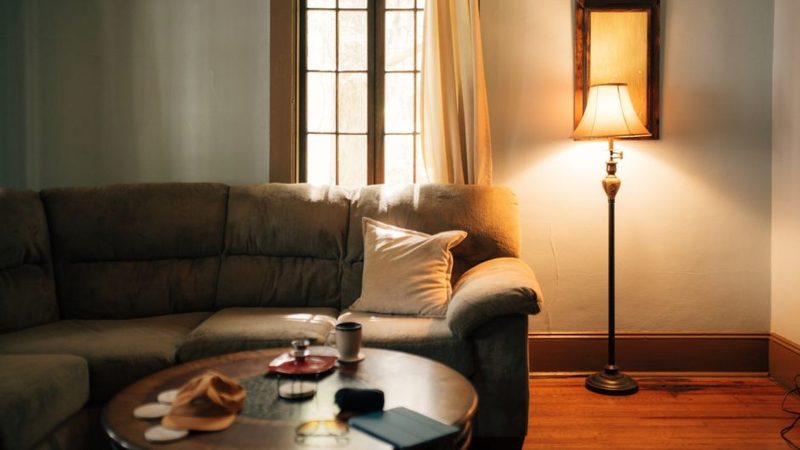
Every time I come home, my favorite moment is turning on the living room lights. In that instant, the warm, gentle glow feels like pressing the “start” button for life itself. However, if the fixtures flicker frequently or the bulbs burn out in a short time, that sense of comfort immediately disappears. Over time, I realized that the safety and maintenance of lighting not only affect our experience but also directly impact lifespan and household safety.
After years of use and exploration, I’ve summarized several practical and easy-to-follow methods for maintaining lighting, which have significantly extended the lifespan of the fixtures in my home.
1. Choosing the Right Bulbs and Fixtures: Extend Lifespan from the Start
A few years ago, in an attempt to save some money, I bought a few cheap LED bulbs, thinking, “It’s just lighting, it’ll be fine.” To my surprise, within six months, some of the bulbs started flickering, and others burned out entirely. Every time I returned home, the living room lights would flicker unpredictably, leaving me frustrated and worried about safety. That was when I truly realized that quality and careful selection mattered far more than price.
Later, I began learning about reputable brands, especially products with clearly labeled wattage and recommended usage. After switching, I noticed a huge difference—the high-quality LEDs were stable and gentle, never flickering, and didn’t need frequent replacement. Matching the bulb’s wattage with the fixture is equally important. Once, I carelessly installed a slightly higher-wattage bulb, and the fixture got very hot; I could feel the heat on the table, and a few days later, the bulb burned out. From that experience, I learned to strictly follow the fixture’s specified wattage—safe and longer-lasting.
The environment also affects lifespan. In humid areas like kitchens and bathrooms, using non-waterproof fixtures can easily cause flickering or premature failure. I originally had a regular LED in my bathroom, which began flickering after a few months. After switching to a waterproof model, the light stabilized, making usage safer and more reassuring. Gradually, I realized that choosing the right fixtures and bulbs is like laying a solid foundation for life. With good quality and proper use, the lifespan naturally extends, ensuring safe and comfortable lighting.
2. Reduce Frequent Switching: Let Lights “Breathe”
I used to turn off lights whenever I left a room, especially in the living room and study. At first, it seemed harmless, but gradually I noticed that my energy-saving and fluorescent bulbs started flickering and sometimes even burned out. That unpredictable light made me uneasy, especially walking through the study or living room at night.
I slowly adjusted my habits, giving the lights some “breathing room.” Now, if I only leave a room briefly, I leave the light on, usually turning it off only if I’m gone for more than ten minutes. This small change almost completely eliminated flickering or bulb failure in my LED lights. I realized that fixtures aren’t as resilient as we imagine—they also need a stable environment.
I also noticed that LEDs are extremely durable in long-term use, unlike fluorescent or energy-saving bulbs, which are sensitive to frequent switching. From these experiences, I deeply felt that correct usage habits sometimes matter more than buying the most expensive bulb. Giving lights a daily “rest” not only makes them last longer but also ensures safer and more stable home lighting.
3. Keep Fixtures Clean: Let the Light “Breathe” Too
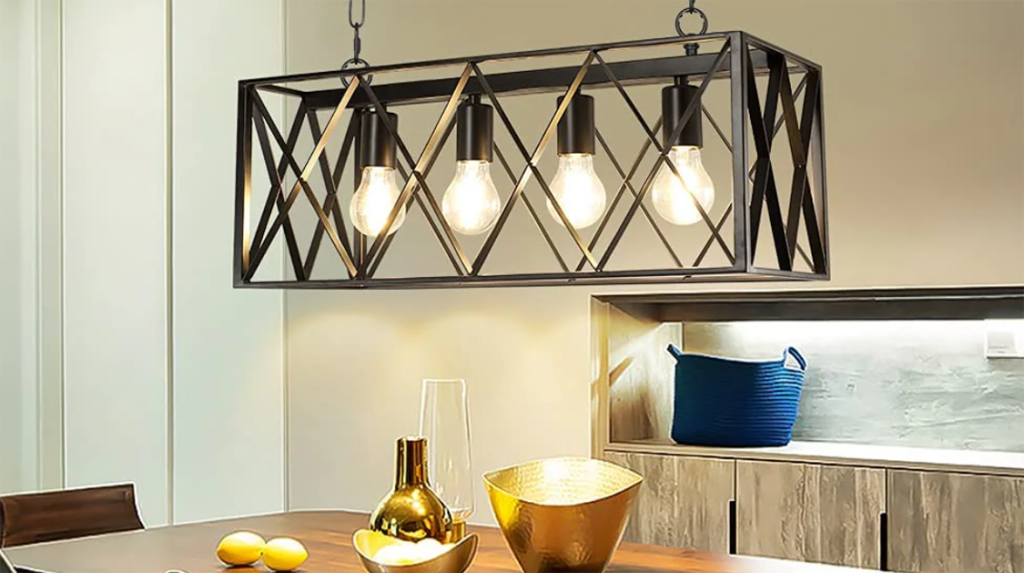
I realized that sometimes dim lighting isn’t due to a broken bulb but dust accumulating on the fixture. Every month, I gently wipe the lampshades of chandeliers and ceiling lights with a soft cloth and use a small brush to clean corners and interior dust. At first, it felt tedious, but over time, I noticed that cleaning not only restored brightness but also made the entire room feel more comfortable.
Cleaning fixtures requires care. I always avoid using wet cloths directly on bulbs or circuits, fearing moisture could damage the wiring. After cleaning, the shades and bulbs are spotless, letting light through evenly and softly. In humid areas like kitchens or bathrooms, I choose waterproof fixtures so that cleaning won’t pose a risk to circuits.
Through consistent cleaning, I noticed a subtle but clear change: the light seems to “breathe,” making rooms appear brighter and warmer. Every time I turn on the lights, it lifts my mood. Maintaining cleanliness not only extends lifespan but also prevents flickering and early burnout. It may seem minor, but it’s a key part of ensuring safe and long-lasting lighting.
4. Don’t Neglect Heat Dissipation and Installation Environment
A few years ago, a pendant light in my living room felt warm and inviting, but within a year, the LEDs burned out. Upon inspection, I realized the fixture was mounted very close to the wall, leaving almost no airflow, and combined with slightly high wattage, poor heat dissipation caused the bulbs to fail. This experience made me understand that heat dissipation and installation environment play a far greater role in lifespan than I had imagined.
After that, I began adjusting fixture placement and usage. I made sure to leave enough space around pendant lights for natural airflow and chose bulbs of suitable wattage for the space to prevent excessive heat in small rooms. During installation, I also carefully checked that fixtures were securely mounted to avoid internal wiring damage.
The results were remarkable. Once I paid attention to heat dissipation and proper installation, lights in my home rarely burned out or flickered. The brightness became stable, the light soft and even, making every switch-on feel like life being illuminated again. Proper heat management and installation not only extend lifespan but also ensure safe, comfortable lighting.
5. Regular Inspection: Detect Hazards Early
As lighting use increased, I realized that purchasing quality bulbs and using them correctly isn’t enough—safety maintenance is equally important. So, I developed a habit of inspecting all fixtures and outlets every quarter, checking even seemingly fine fixtures for signs of aging, damage, or looseness.
Once, a floor lamp in the living room flickered slightly. I didn’t ignore it but promptly replaced the bulb. A few minutes of attention restored stable lighting and avoided potential hazards. Through regular inspections, I learned that many small issues can be prevented if addressed early.
Long-term practice not only extended the lifespan of fixtures but also made my home’s lighting system safer and more reliable. Every time I turn on the lights and see bright, steady illumination, I feel a sense of reassurance. Regular checks reminded me that extending lifespan and ensuring safety is a matter of accumulating small habits in daily life.
6. Personal Insight: Longer-Lived Lights Make Life More Comfortable
Through consistent practice, I found that as long as I choose the right fixtures, use them correctly, and maintain regular cleaning and inspection, most home lights can last three to five years, with LEDs lasting even longer. Every time I come home and turn on the lights, the soft, even illumination warms the room, making reading, working, or relaxing especially comfortable. Stable, safe lighting improves not only the room but also the pace of life itself.
I realized that extending the lifespan of lights isn’t just about saving replacement costs—it also enhances quality of life. Warm light not only illuminates a room but subtly reminds me that every detail of home life is worth caring for. Enjoying stable, safe lighting every day brings tranquility and reassurance, making me cherish the ordinary, warm moments at home even more.
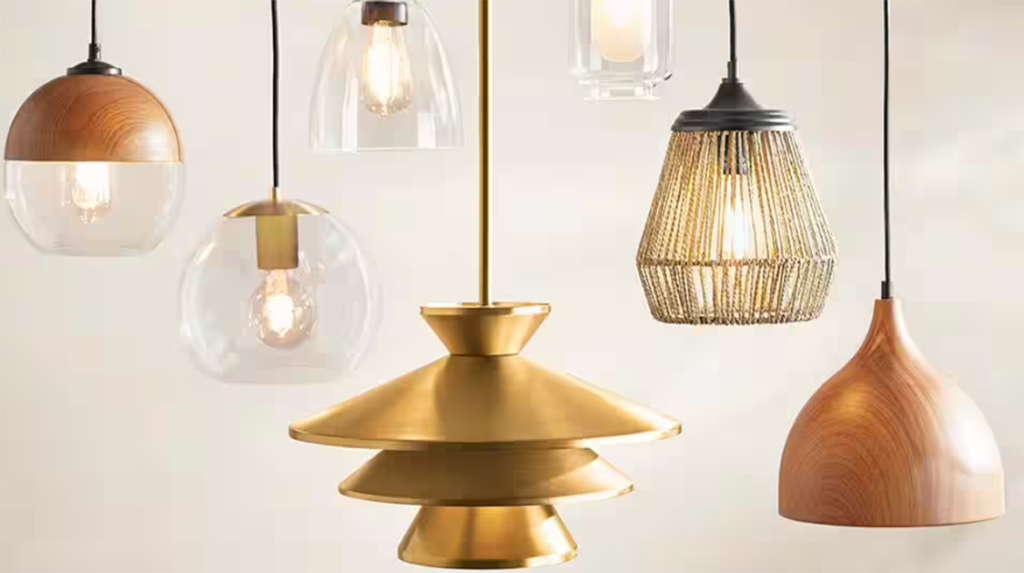
7. Let Lighting Be a Warm Companion in Life
Looking back on years of experience with home lighting, I increasingly understand that lights don’t just illuminate—they shape comfort and safety. By choosing quality fixtures, pairing them with suitable bulbs, reducing frequent switching, keeping them clean, considering heat dissipation and installation, and conducting regular maintenance, my home lights have become noticeably longer-lasting and more stable.
Every time I turn on the lights and see soft, even illumination fill the space, a sense of comfort washes over me. Lighting becomes a silent companion, protecting household safety while adding warmth and a sense of ritual to daily life. These seemingly simple habits have transformed lights from mere functional objects into indispensable, warm companions that make life more serene and comfortable.