Luxury vs Ordinary Sofas: Key Differences
The Hidden Structure: What Makes a Sofa Last
When you sit on a sofa, you’re not just touching fabric or padding—you’re engaging with a carefully engineered structure built to support your body, your lifestyle, and your home. Luxury sofas aren’t just about looks; they’re built on a foundation of durable materials and thoughtful engineering. The first difference you’ll notice—though it’s invisible at first—is the frame. Most ordinary sofas use particleboard or softwood frames that warp over time, especially under heavy use. But high-end models? They use kiln-dried hardwoods like oak, maple, or even hardwoods like walnut. These materials resist shrinking, warping, and bending. In real-life testing, a luxury sofa with a hardwood frame maintained its shape after five years of daily use—while an average sofa began to sag and squeak after just 18 months.
Then there’s the joint construction. Luxury sofas use reinforced corner blocks and mortise-and-tenon joints—techniques borrowed from fine furniture making. An ordinary sofa might just staple the fabric to a cheap frame, leading to loose connections and instability. But a well-built sofa, like the one used in a New York City apartment by Lisa M., a 42-year-old freelance designer, still holds up after 8 years of constant use by her two toddlers and a growing dog. “I thought I’d need to replace it by now,” she says. “But it’s stronger than my old dining table.” That’s the power of smart engineering.

Comfort That Adapts: The Secret of Seat Cushions
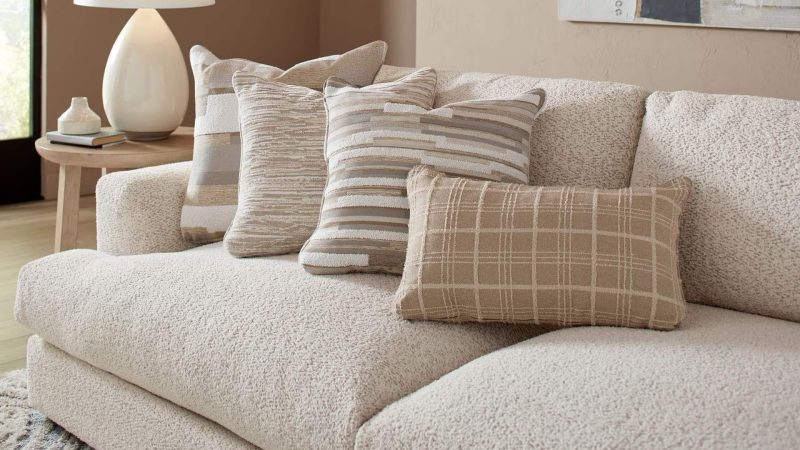
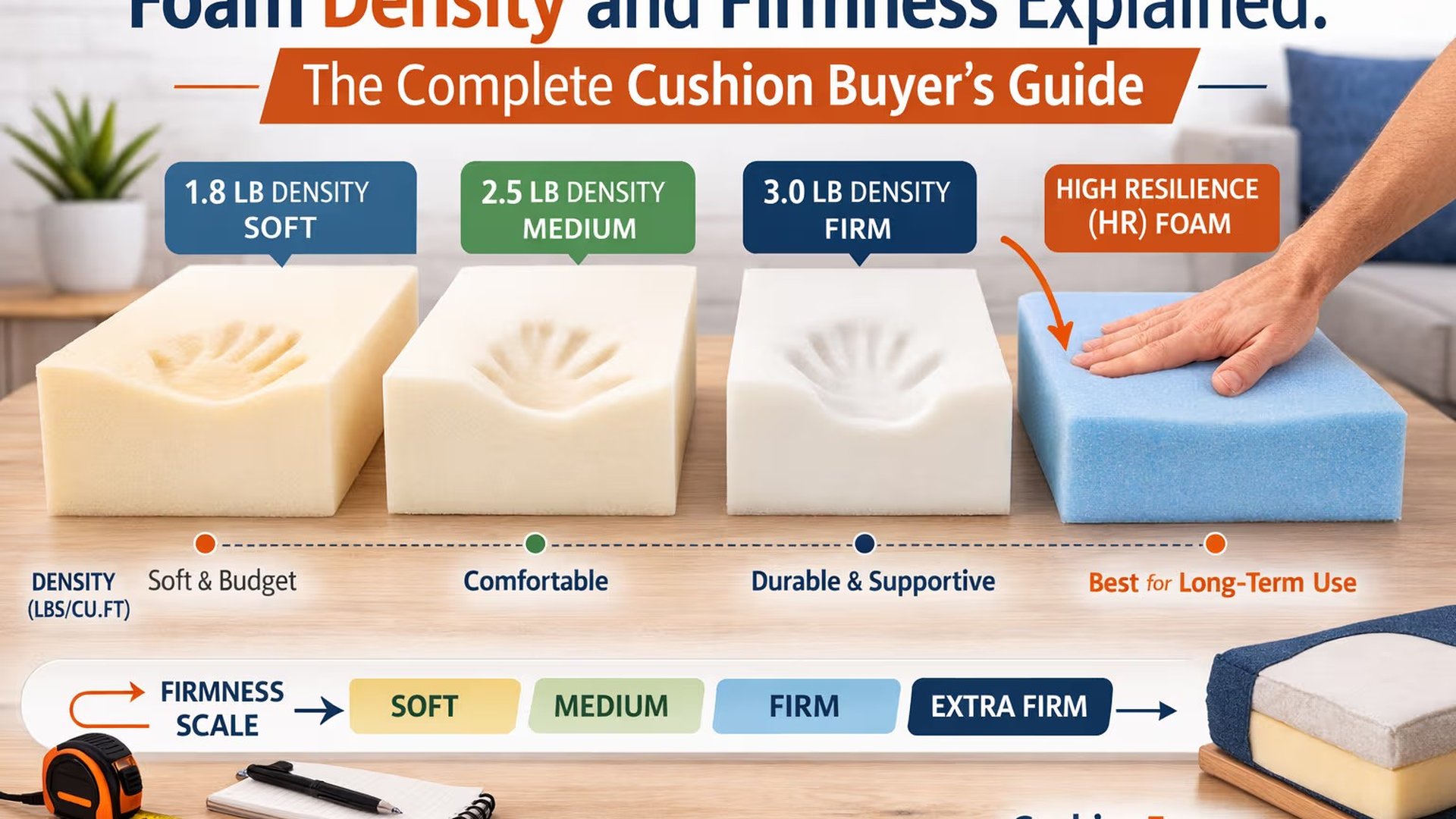
The seat cushion is where the magic happens. Most budget sofas use low-density foam that flattens within months, making you feel like you’re sitting on a deflated pillow. Luxury models use high-resilience foam (HR foam) or even layered cushioning with down, fiber fill, and even pocketed springs. Think of it like a mattress: if your sofa feels too soft, too firm, or sinks too fast, it’s probably not engineered for long-term comfort.
Take the case of Daniel R., a 38-year-old teacher in Portland, Oregon. He replaced his old sofa three times in five years—each time a cheaper model that looked good at first, but started losing shape by winter. Then he bought a mid-tier sofa with a 4-inch HR foam seat and a 2-inch back support. After one year, he said, “I don’t even need to adjust my posture anymore. I can read, watch TV, nap without shifting. It feels like it knows my body.” That’s not luck. It’s a design philosophy built into every high-quality piece.
Luxury sofas also feature sink depth variation—where the front of the seat is slightly lower than the back, helping distribute your weight evenly. This small detail makes sitting for hours feel like a relaxed break, not a strain on your lower back.
Fabric That Outlives Fashion
One of the biggest misconceptions is that expensive sofas are just about rich materials. But durability is just as important. Luxury sofas use fabrics rated for 40,000 to 60,000 double rubs—meaning the material is tested to survive tens of thousands of simulated abrasion cycles. In contrast, average sofas often use fabrics rated below 10,000 rubs, which can wear through in just a few years.
A real test case comes from a couple in Austin, Texas, who installed a light-gray microfiber sofa in their living room. After two years, the fabric in high-contact areas—near the arms and seat—showed visible thinning and pilling. They replaced it with a 50,000-rub ‘Performance’ fabric from a luxury brand. Now, after five years, the fabric still resists coffee stains, pet claws, and daily use.
Plus, luxury sofas often offer hidden advantages: some fabrics are stain-resistant, flame-treated, and even antimicrobial. These aren’t luxuries—they’re smart features that protect your investment, especially in homes with kids or pets.
Design That Works, Not Just Looks
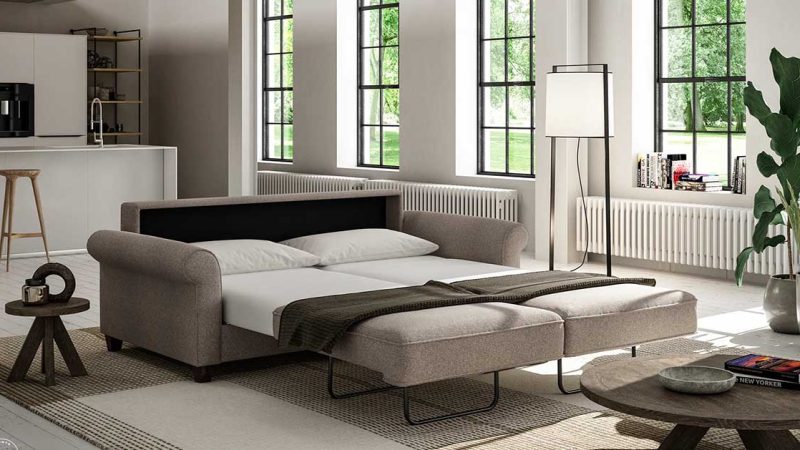
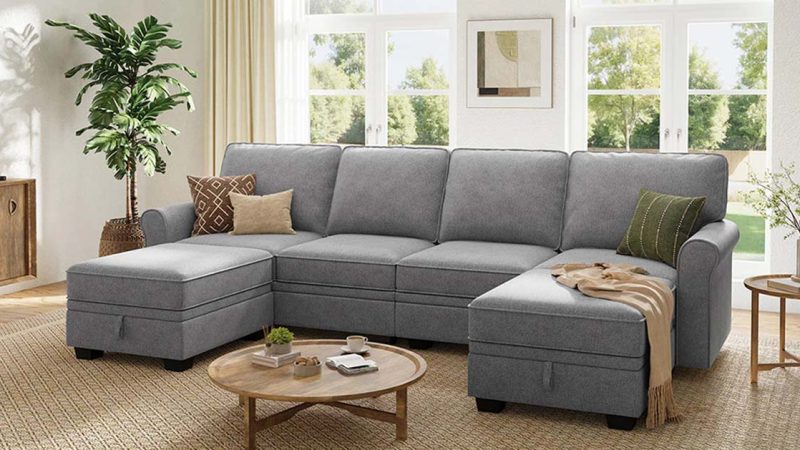
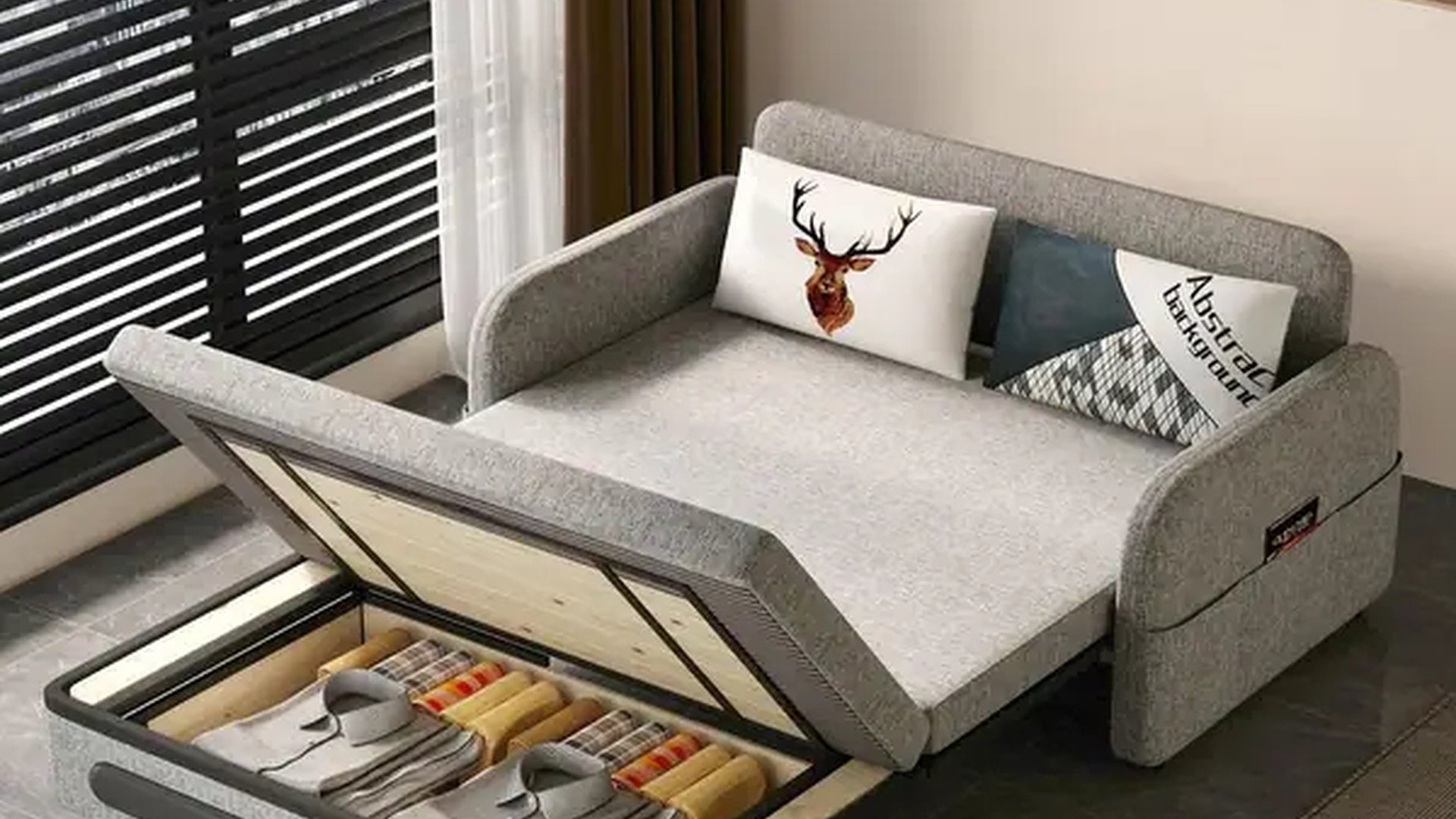
Many people buy sofas based on style alone: the sleek lines, the modern silhouette. But a smart sofa is one that integrates into real life. That means adjustable backrests, hidden storage, convertible designs (like sleeper sofas), and modular options.
For example, a luxury sofa from a German brand has a fold-out tray under the armrest—perfect for holding a tablet, remote, or drink. In a small apartment in Chicago, a 29-year-old teacher named Maya uses it daily. “I don’t have a coffee table anymore. This little shelf holds my tea, my book, my phone charger,” she says. “It’s not just furniture. It’s part of how I live.”
Even the legs matter. A luxury sofa uses thick, solid wooden or metal legs with a stable base. An ordinary sofa often has thin, plastic or fake-metal legs that wobble when you shift. This isn’t about aesthetics—it’s about safety and long-term stability. In a family with toddlers, wobbling legs can mean a fall during play.
Value Beyond the Price Tag
At first glance, a luxury sofa might seem like a big leap from a $500 bargain piece. But the truth is, many low-cost sofas end up being more expensive over time. You replace them every 3–4 years. You spend on new cushions, repairs, and even extra furniture to compensate for poor design.
A long-term study from a home products research group showed that over a 10-year period, a $2,500 luxury sofa cost only $250 per year in maintenance and replacement. A $700 ordinary sofa, however, cost $1,100 in total over the same span—because it had to be replaced twice and required $300 in repairs.
That’s not a financial myth. It’s math. And for a growing family, a single reliable sofa can save thousands in lifetime costs. As Sarah L., a 45-year-old mom in Denver, puts it: “I made my first mistake buying a sofa on a whim. Now I know: a good sofa isn’t a luxury. It’s a necessity for a home that truly works for you.”