Elegant Dining Table Styling Tips from Pros
How to Create a Balanced and Inviting Dining Table Setup
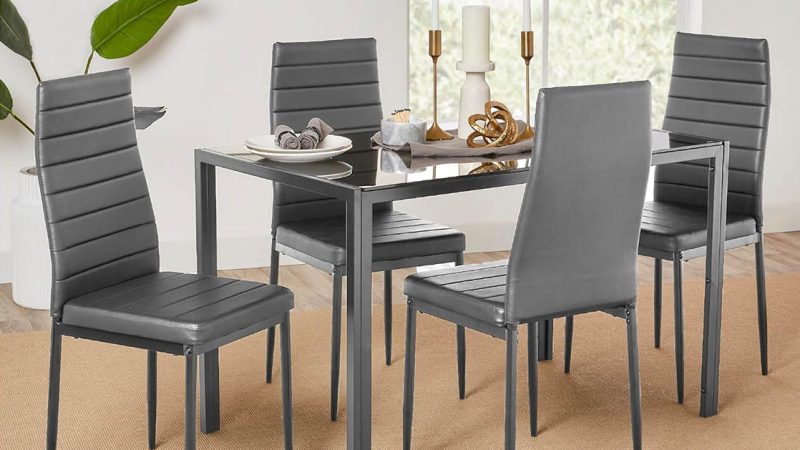
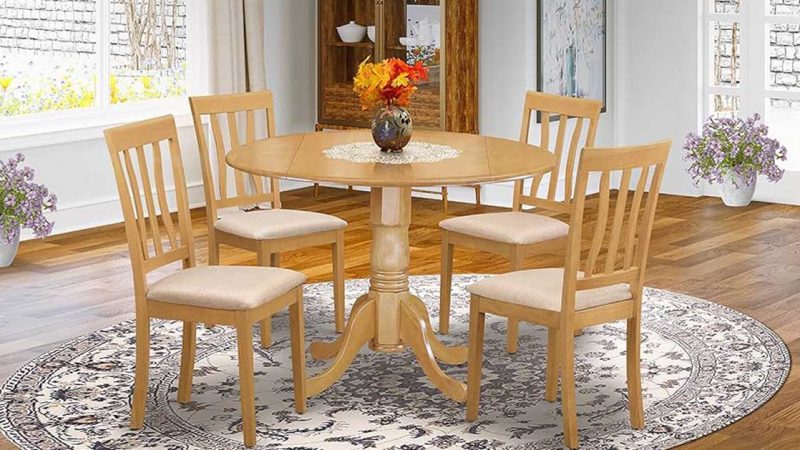
The dining table isn’t just for meals—it’s the heart of your home where stories are shared, laughter is heard, and memories are made. That’s why styling it like a professional interior designer matters more than you might think. The goal isn’t to spend thousands on a new table or fancy decor, but to use thoughtful placement, color harmony, and texture to elevate your everyday moments. Start by assessing your table’s shape and size. A round table naturally encourages connection, while a long rectangular one is perfect for hosting larger gatherings. Once you’ve established the foundation, place your centerpiece with intention. A simple arrangement of greenery, a few candles, or a single sculptural bowl can draw the eye and ground the entire setup. Remember, less is often more—overcrowding the table can feel chaotic and reduce the sense of space.

Master the Art of Layering with Table Linens and Textures
One of the most powerful tools in professional styling is layering. Think of your table as a canvas—each layer adds depth, warmth, and sophistication. Begin with a base layer: a crisp linen tablecloth in a neutral tone like ivory, charcoal, or soft beige. This not only protects the wood but adds a polished baseline. Next, add a secondary layer—an embroidered napkin, a textured runner made of jute or woven cotton, or even a faux fur throw draped across one end for a cozy winter feel. These layers don’t have to be expensive. Look for sales at home goods stores or shop secondhand for vintage textures that add character. A well-layered table doesn’t scream luxury—it whispers elegance. It’s the quiet details, like matching napkin rings or folded napkins that form a subtle pattern, that give your table a curated, intentional look.

Use Candles and Lighting Strategically to Set the Mood
Lighting changes everything. Interior designers know that soft, warm lighting defines a dining room’s mood more than any piece of furniture. A well-placed candle can instantly make a space feel intimate and welcoming. Use pillar candles in glass holders, tea lights in geometric trays, or even LED candles for a safe, flickering effect without fire risk. Place them at intervals along the table’s center or form a circle around a larger centerpiece. The key is consistency: avoid clusters of different heights or mismatched colors. Go for uniformity in size and style to maintain visual calm. For a dramatic touch, try a single large candle in a bronze or black iron holder placed at the table’s center. This creates a focal point and feels dramatic without being overwhelming. Don’t forget to test your lighting during the evening. Turn off overhead lights and see how your table looks under candle glow. This is when the real magic happens—when your space feels like a scene from a home magazine, but actually your own kitchen or dining room.

How to Mix and Match Tableware Without Losing Cohesion
One common mistake people make is trying to match every piece perfectly—same pattern, same color, same age. But pro designers know that real style comes from thoughtful contrast. Instead of buying a full set, consider mixing vintage dishes with current pieces, or pairing handmade ceramics with modern glassware. For example, a vintage stoneware bowl with a matte glaze can beautifully offset a sleek white plate. The trick is to pick a consistent color palette—think muted greens, warm grays, or classic neutrals—and stick to it. Even if your plates are from different eras or sources, if they’re in the same tonal family, they’ll work together. Add a single metallic accent—like gold-rimmed cutlery or silver spoon handles—to tie everything together. This mix-and-match approach not only saves money but reflects personality. It says, ‘I care about style, but I also value comfort and authenticity.’ It’s not about perfection, it’s about presence.

Bring in Nature: The Simple Power of Fresh Greenery and Florals
Nature has a calming effect on the human mind—designers have known this for decades. A few sprigs of fresh eucalyptus, a low-growing potted succulent, or a small bouquet of dried lavender can make a table feel alive and grounded. You don’t need a full florist arrangement. A single stem in a tiny mason jar on the table’s edge can add a whisper of life. For a no-fail option, go for dried pampas grass or woven reed baskets that double as holders for napkins or utensils. These natural elements bring texture, color, and seasonal rhythm to your table. They’re not just decoration—they invite sensory experience. The scent of lavender, the soft rustle of herbs, the way light plays through a leaf—all these small details create an atmosphere that feels both elevated and real. And the best part? Many of these elements are budget-friendly or even free if you forage from your garden.

Final Touches: How to Make Your Table Feel Like a Home
You’ve done the work—layered the linens, placed your candles, chosen your tableware, and added greenery. Now, step back and ask yourself: Does this feel like *me*? A trendy table can look great in a magazine, but if it doesn’t reflect your lifestyle or values, it won’t last. The secret to lasting elegance lies in authenticity. Add a single item that has meaning—a photo of your family, a small heirloom spoon passed down from a grandmother, a handwritten menu from a favorite dinner. These aren’t just accessories; they’re stories. They turn a beautiful table into a meaningful one. And remember, it’s okay to change things up seasonally. Swap out the runner for a textured wool one in winter, or add seasonal accents like gilded leaves for fall. The most elegant tables aren’t static—they breathe, evolve, and reflect real life.