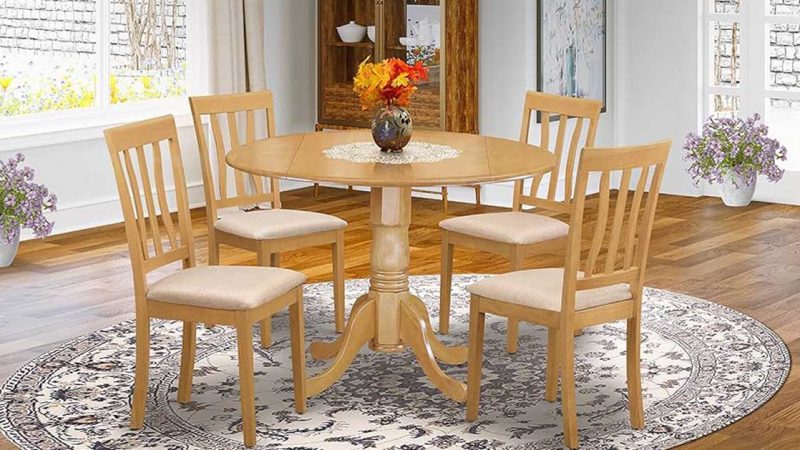
Modern Living Rooms: Furniture Trends for Tomorrow’s Homes
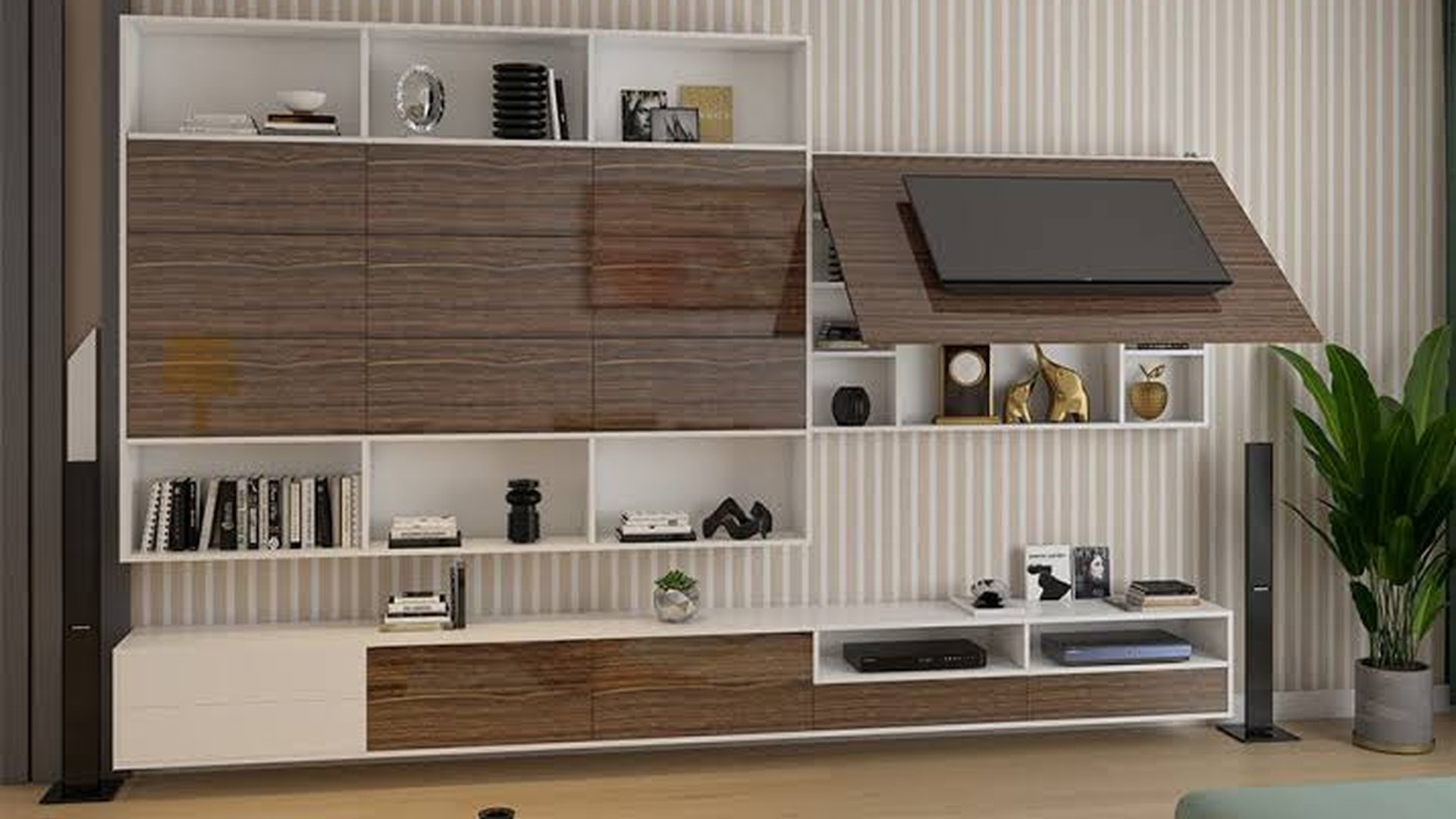
The Shift Toward Functional Living Spaces
Today’s living rooms are no longer just about looking good—they’re about working hard while still feeling great. As more people spend time at home, both for work and relaxation, the demand for furniture that does more than just sit perfectly has skyrocketed. Homeowners are no longer satisfied with a sofa that only holds people; they want pieces that organize, adapt, and even help them cook, eat, or meet remotely. This shift is reshaping how furniture is designed, built, and purchased—especially in spaces that double as dining and kitchen areas.
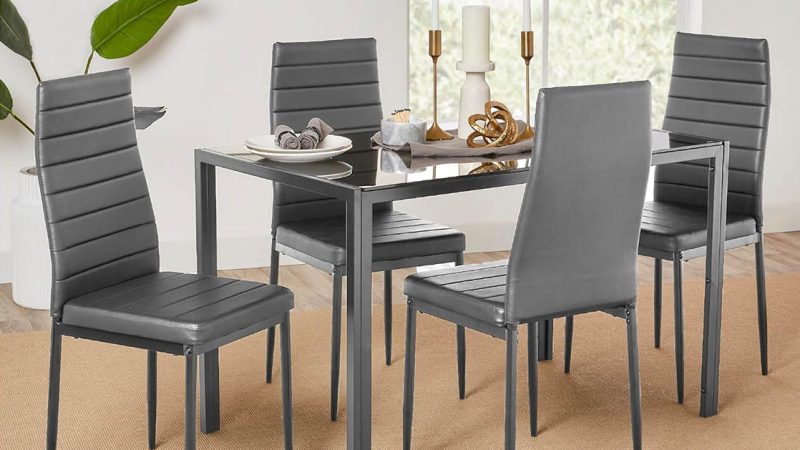
Take the example of a young couple in Austin, Texas, who recently transformed their 500-square-foot studio into a full-functioning living zone. They chose a modular sofa with built-in storage and a fold-out dining table that extends to seat six. When not in use, the table tucks neatly under the console, freeing up floor space for yoga or family game nights. This kind of smart design isn’t just a luxury—it’s becoming a necessity for modern urban living.
Multi-Use Furniture: The Heart of Tomorrow’s Homes
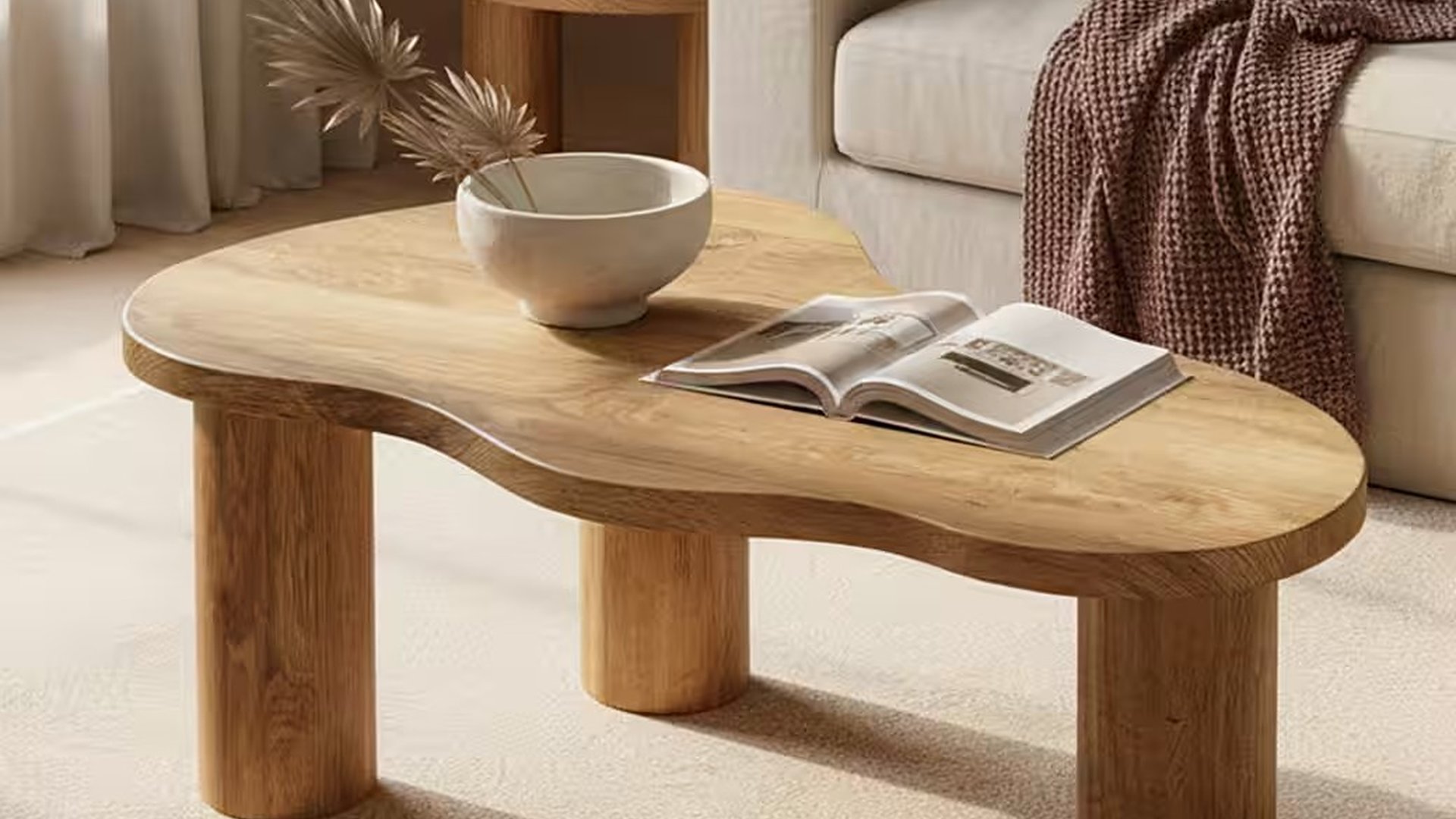
The most significant trend shaping the future of living room design is multi-use furniture. People aren’t just looking for “pieces” anymore—they’re searching for solutions. A dining table that also holds a built-in espresso machine? A coffee table with wireless charging and hidden storage for remote controls and snacks? These features aren’t futuristic fantasies—they’re already on store shelves and trending among budget-conscious buyers.
One standout example comes from a Chicago-based family of four who upgraded their living area over a single weekend. They replaced their outdated L-shaped sofa with a new modular system that converts into a guest bed and includes a built-in pull-out desk. The same unit features recessed outlets, making it easy to plug in laptops or charge phones while lounging. Meanwhile, they installed a slim, extendable dining table made from recycled wood that doubles as a workspace. It’s affordable, it’s smart, and it fits seamlessly into a small apartment without sacrificing style.
These innovations aren’t limited to luxury brands. Major retailers now feature budget-friendly lines that blend smart engineering with clean design. Look for units with hidden mechanisms, adjustable heights, and materials that resist scratches and stains—key for homes with kids or pets.
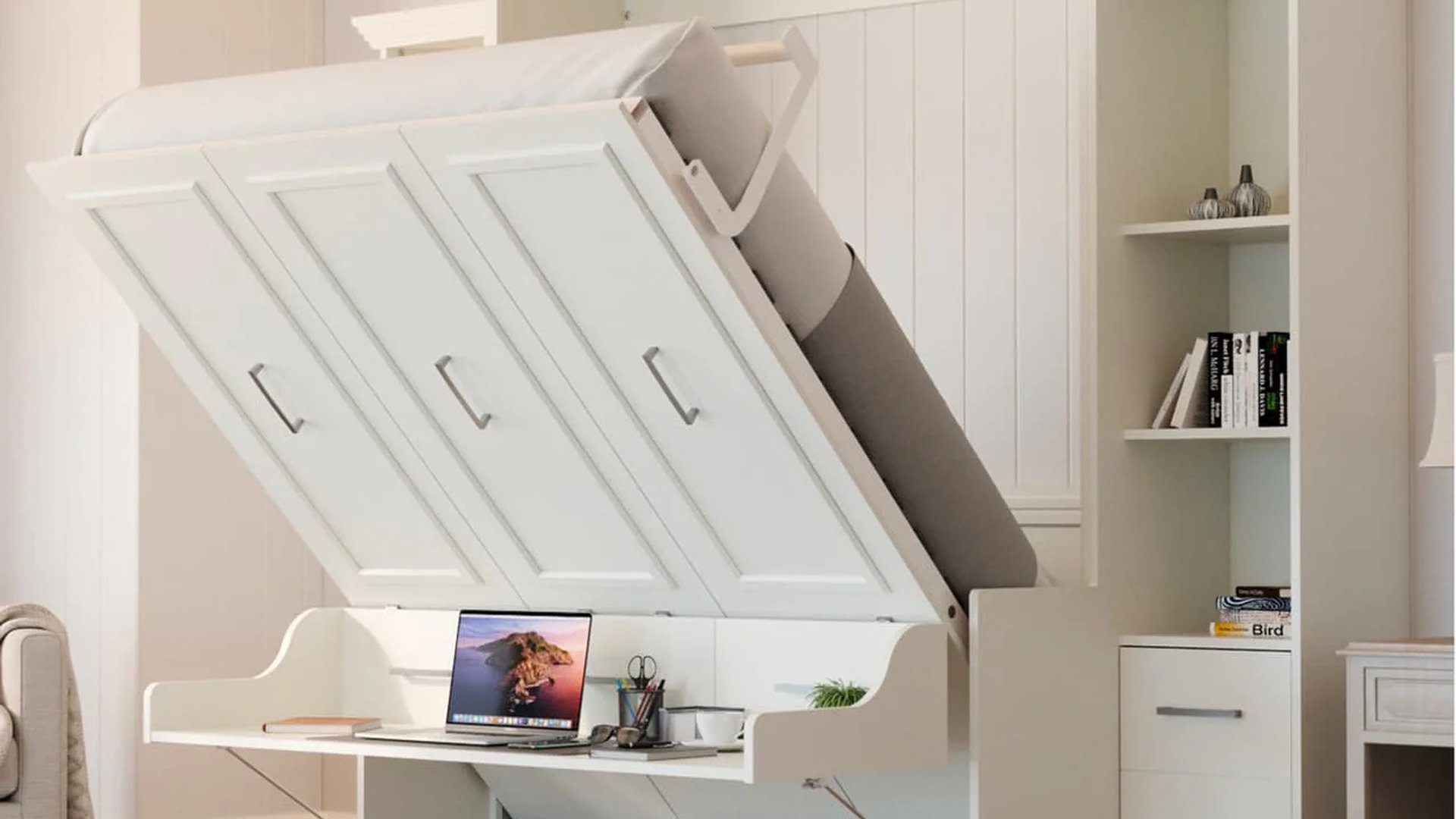
Sustainable Materials and Ethical Production
As consumers become more aware of environmental impact, demand for sustainable furniture has soared. Modern buyers aren’t just choosing pieces because they look good—they’re asking: Where was this made? What’s it made of? How long will it last?
Furniture made from reclaimed wood, recycled metal, or FSC-certified materials is no longer a niche choice. In Seattle, a single mom named Maya renovated her living room using only secondhand and eco-friendly furniture. She found a mid-century-style bookshelf made from salvaged lumber online for under $100, a sofa with a frame made from recycled steel, and a dining table constructed from repurposed factory flooring. It’s not just budget-friendly—it’s meaningful. She says, “I don’t want to buy furniture that will end up in a landfill in five years. I want pieces I can pass down, or at least feel good about using.”
Manufacturers are responding. Companies now offer carbon-neutral shipping options, transparent supply chains, and even take-back programs for old furniture. These features are increasingly being highlighted in product descriptions on sites like Cheap Kitchen Appliances, where real user reviews often mention sustainability as a top factor when choosing a new sofa or dining table.

Smart Integration: Where Furniture Meets Technology
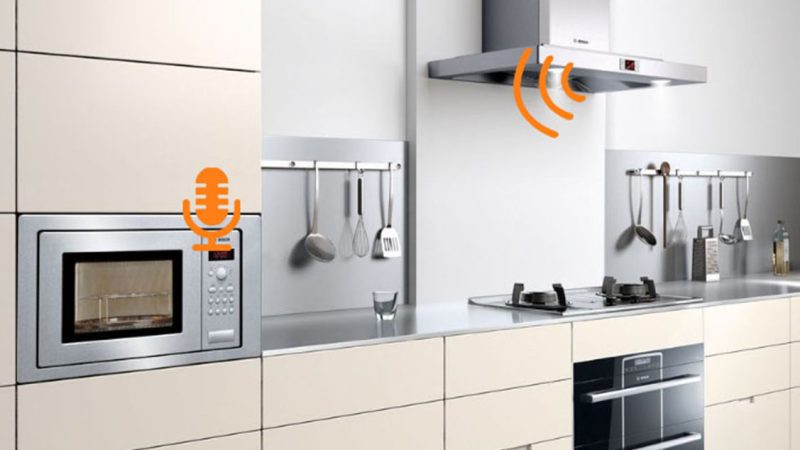
The future isn’t just about furniture—it’s about connected living. The most forward-thinking designs now integrate technology so seamlessly that you don’t even realize it’s there. A coffee table with under-table heating pads for cold feet? A wall-mounted dining console with touch-sensitive controls for lighting and music? These aren’t sci-fi anymore.
In a recent survey conducted by Cheap Kitchen Appliances, 76% of respondents said they’d consider purchasing a living room piece with built-in smart features—like ambient lighting, voice control, or automatic climate adjustment—provided it stayed under $500. That’s a game-changer for affordability.
One user, a remote worker in Denver, shared how a smart console table changed his work-from-home experience. It has built-in USB ports, a cooling pad for laptops, and a wireless charger that activates when your phone is placed on it. The table adjusts to your preferred height, so he can stand for meetings or sit for focused work. He says, “It’s not just furniture. It’s part of my daily routine.”
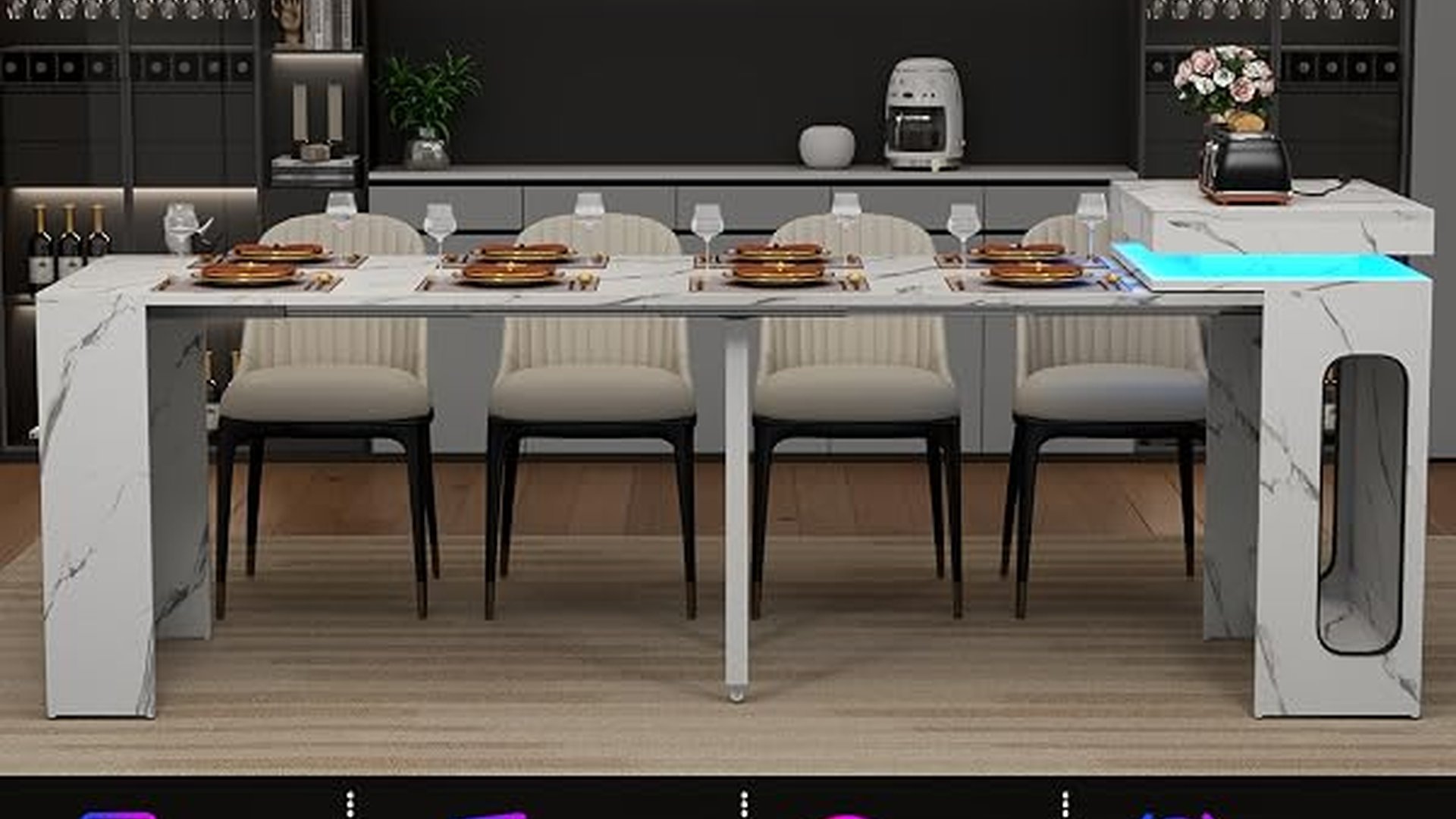
Embracing Minimalism with Personal Style
Despite the rise in tech and multi-functionality, the soul of modern living room design still lies in personal expression. People want spaces that feel lived-in, not sterile. Minimalism isn’t about stripping everything away—it’s about choosing purposeful, beautiful things that reflect who you are.
A couple in Portland used this principle to create a living space that feels both calm and intimate. They kept the furniture simple: a low-profile sectional, a single wooden side table, and a modular bar cart that hosts a small coffee machine, wine rack, and a framed photo of their dog. They avoided clutter by using hidden storage and choosing pieces with neutral tones that still let their personality shine through.
Minimalism also helps with budgeting. Less furniture often means lower costs, easier maintenance, and a clearer mental space. But it’s not about being cheap—it’s about being intentional. When you only pick pieces you truly love and use daily, your home becomes a sanctuary, not a storage unit.
In the end, the future of living room design isn’t about chasing the latest trend. It’s about building spaces that work as hard as you do—whether you’re cooking, dining, working, or just unwinding. With thoughtful choices, sustainable materials, smart function, and personal meaning, modern living rooms are no longer just for sitting. They’re for living.