Maintain Dining Furniture Like a Pro
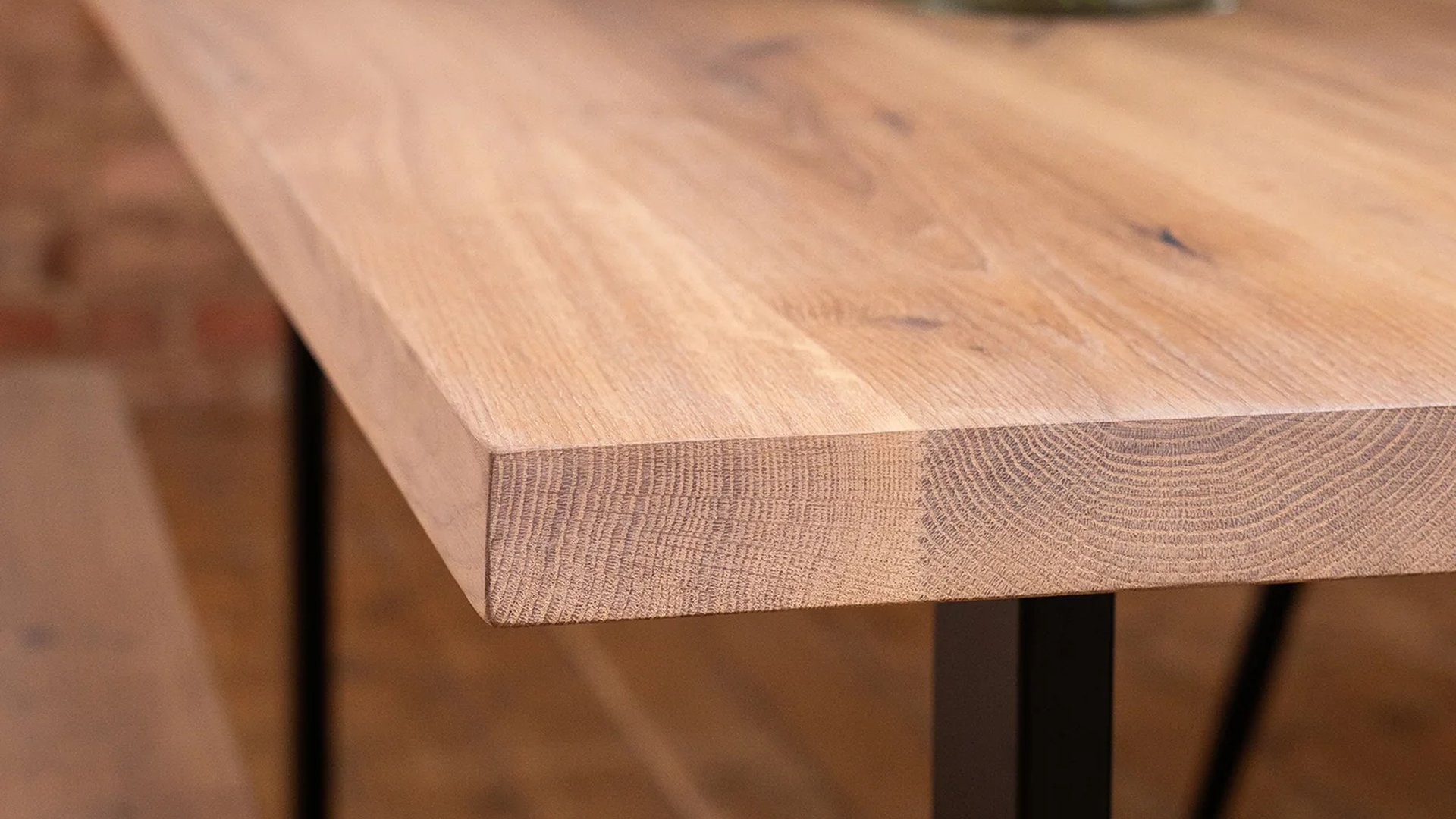
Maintain Dining Furniture Like a Pro: How to Protect Your Dining Furniture from Everyday Wear and Tear
Understand Your Dining Furniture’s Material
Not all dining tables are built the same. Before you start any cleaning or protection routine, it’s critical to know what your furniture is made of. Is it solid oak, veneer, laminate, or even a composite? A high-end oak table might feel like a heirloom, but it needs regular conditioning to prevent drying and cracking. On the other hand, a laminate table might look like wood but can’t handle heat or moisture the same way. In a New York City apartment, Sarah, a 34-year-old freelance designer, recently inherited her grandmother’s walnut dining table. The moment she sat down for dinner, she noticed a faint ring from her coffee mug. It wasn’t until she read the care label that she realized wood needs more than just wiping—it needs oil. Knowing your material isn’t just a detail—it’s the first step in long-term protection.
Use the Right Cleaning Tools and Products
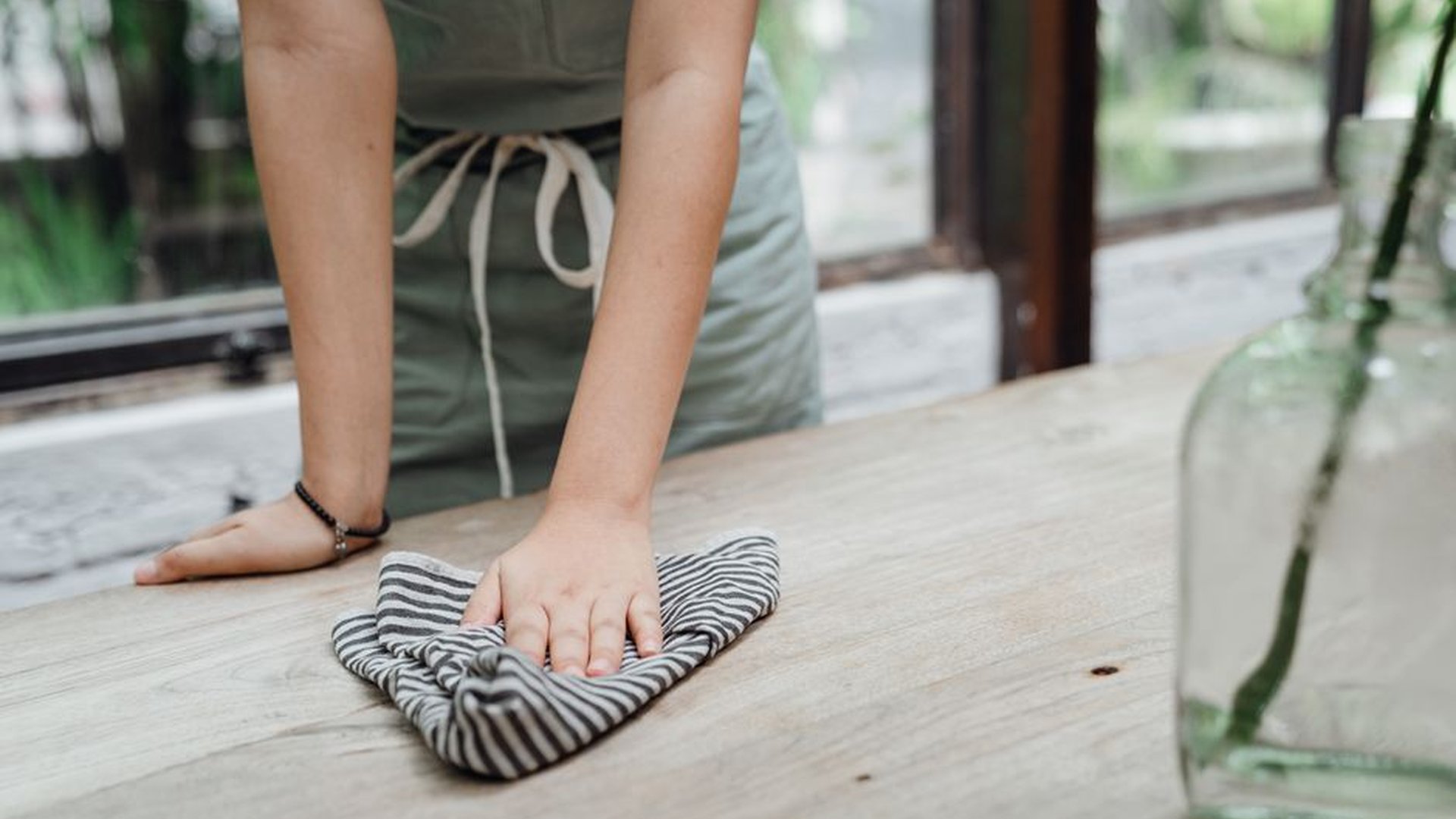
Using the wrong cleaner is one of the top reasons dining tables degrade faster than expected. Avoid harsh chemicals, ammonia-based sprays, or even over-the-counter glass cleaners—they strip natural protective layers. Instead, reach for a soft microfiber cloth, a slightly damp (not soaking) sponge, and a pH-neutral wood cleaner. For example, in a small Chicago bungalow, Mark, a 42-year-old teacher, used to wipe his pine dining table with leftover dish soap. After three months, the surface was dull, and a scratch from a dropped spoon became a permanent mark. He switched to a natural beeswax-based cleaner and now notices a visible difference in shine and resilience. Always test any product in a hidden area first. A quick spot test prevents irreversible damage. Also, never let liquids sit. If juice spills, blot immediately—don’t wipe in circles. That circular motion will spread the stain deeper into the wood.
Prevent Heat and Moisture Damage
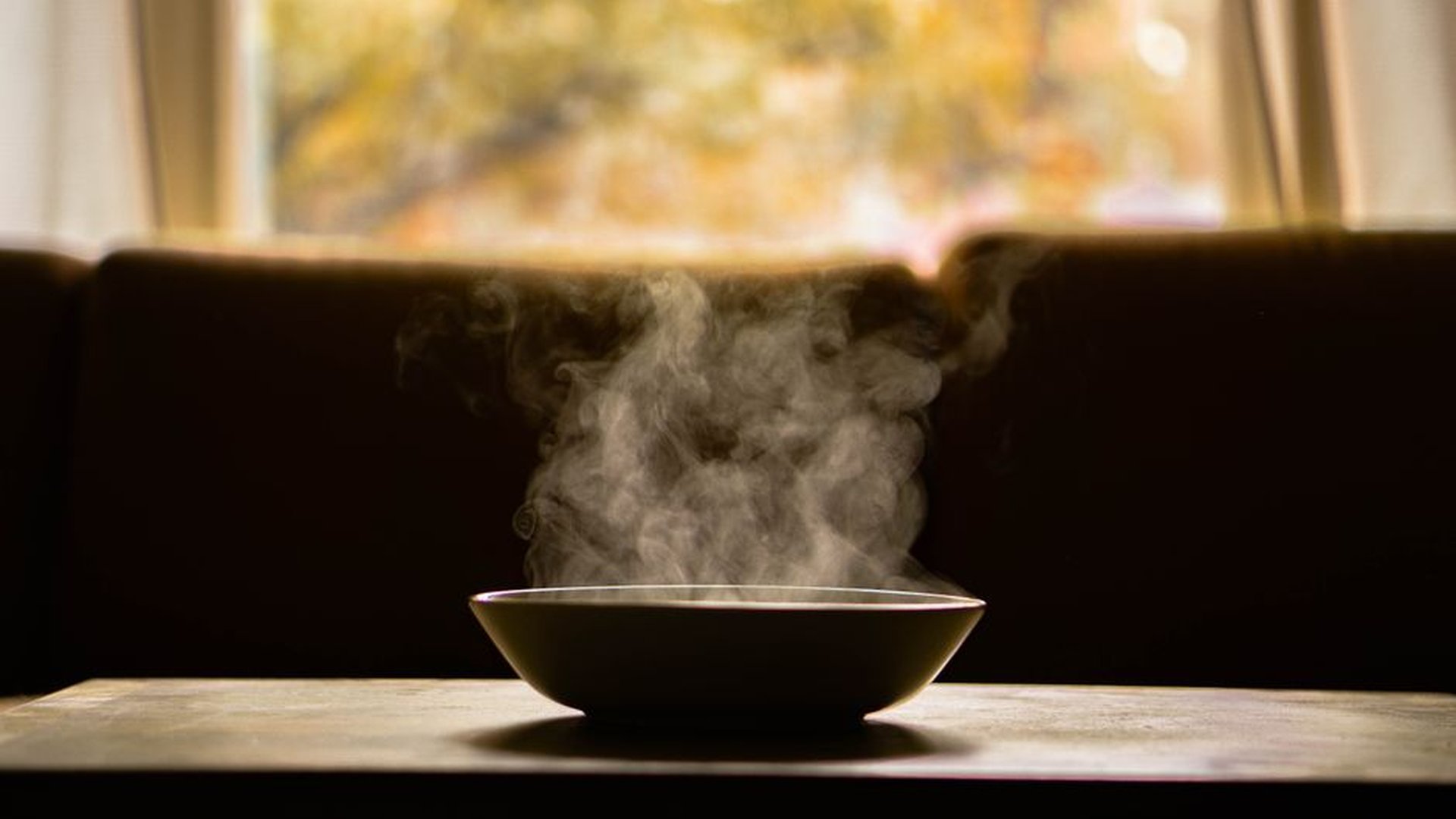
Your dining table is a hotspot for everyday moments—dinner, drinks, family gatherings. But it’s also a common site for heat and moisture damage. Hot pots, steaming casseroles, and even warm coffee cups can leave rings, warps, or deep etching. At a family dinner in a suburban Virginia home, a 48-year-old mother, Jessica, placed a freshly baked lasagna on her newly purchased maple table without a coaster. The heat caused a visible, darkened ring. She tried wiping it with a towel, but it only made matters worse. The lesson? Always use coasters, trivets, or heat-resistant mats under hot items. For long-term protection, invest in a set of matching wooden or cork coasters. They’re affordable, easy to replace, and provide a soft barrier. Also, wipe up spills within 10 minutes—especially liquids with high acidity like soda or wine. These can penetrate the finish and break down the wood grain over time.
Address Scratches and Dents Early
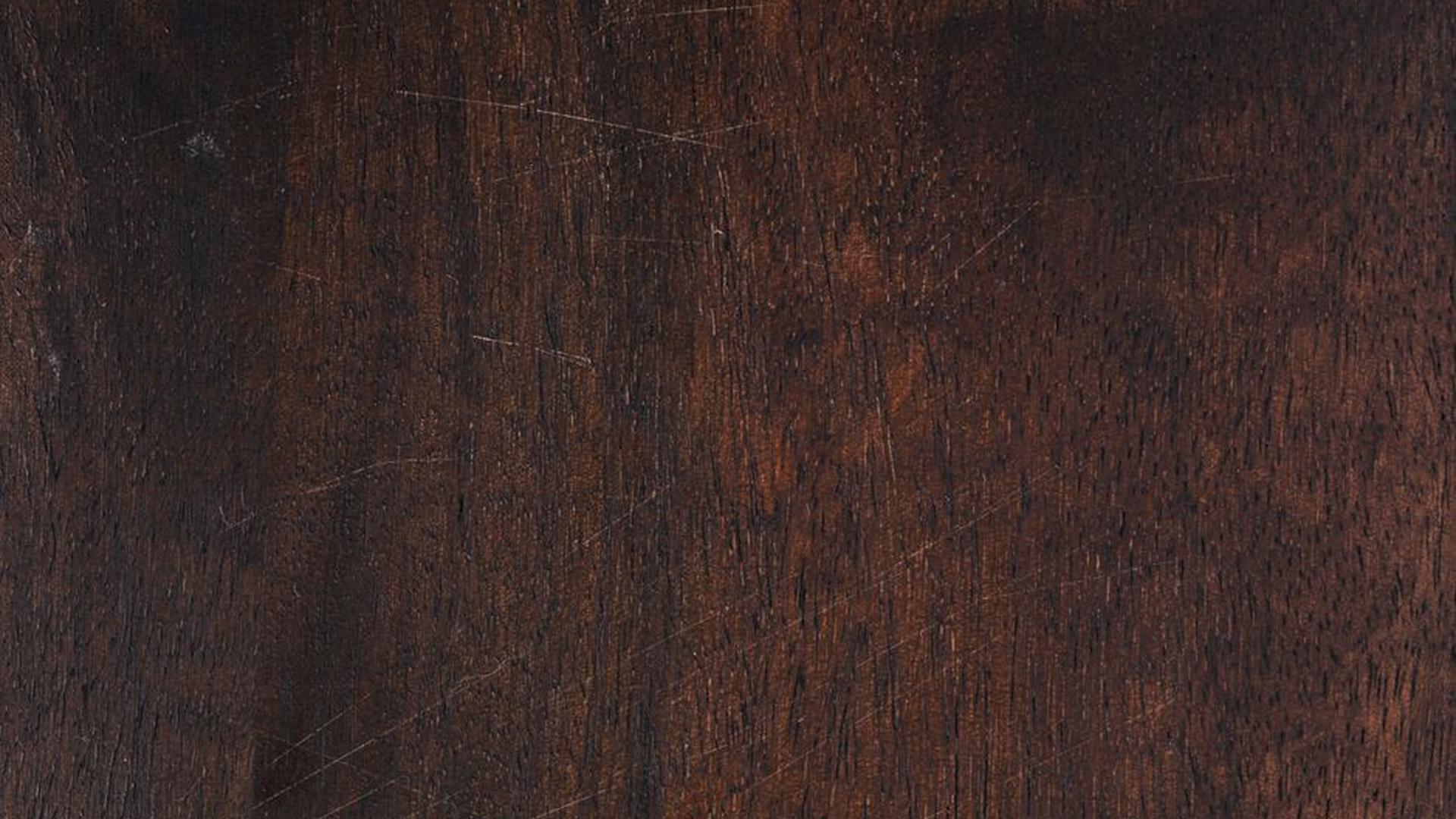
Small nicks from keys, dropped utensils, or bag zippers might seem minor—but they can grow into large blemishes if ignored. A scratch from a weekend dinner party might look small, but over a year, it can deepen and collect grime. In a Brooklyn apartment, a 30-year-old graphic designer named Ryan noticed a faint line near the edge of his dining table after a movie night. He ignored it at first—until a friend’s dog knocked over a glass, and the mark widened. He learned to act fast. For minor surface scratches on wood, use a matching wood filler stick (available at most hardware stores) and gently sand it after drying. For deeper dents, a professional wood filler or even a light refinishing might be needed. The key is to catch it early. Don’t wait for the flaw to become a feature.
Rotate and Reapply Protective Coatings
Even if your dining furniture looks perfect, its protective finish wears down over time—especially in homes with frequent meals or children. A kitchen table used five times a week will naturally lose its shine faster than one used only for holidays. That’s why regular maintenance is non-negotiable. Every 6 to 12 months, reapply a natural wood conditioner or polyurethane sealant. In a case study from a Seattle-based home design blog, a family with two toddlers replaced their standard table wax with a food-safe, plant-based oil. After one year, the table looked 10 years younger. They didn’t just apply it once—they made it part of their monthly cleaning ritual. The result? No fading, no warping, and even enhanced natural grain. For laminate or synthetic tables, use a gentle polish designed for those finishes. Avoid wax on non-wood surfaces, as it can create a greasy buildup. And don’t overdo it—too much product can leave a cloudy film. Think of it like skincare for your table: too much, and it clogs. Just right, and it stays radiant.
Living with dining furniture is more than just sitting down to eat. It’s about creating memories, sharing meals, and building a home. When your table looks worn, it doesn’t just affect appearance—it can subtly shift how you feel about your space. But with smart habits and a few simple tools, you don’t have to choose between beauty and life. You can keep your table strong, clean, and welcoming—no matter how many family dinners, game nights, or weekend brunches you host. The truth is, proper care isn’t about perfection. It’s about consistency. A little effort today means years of pride in your furniture tomorrow.