Upgrade Your Space with Pro Design Tips
Upgrade Your Space with Pro Design Tips
Start with a Clear Vision: Know What You Want to Feel
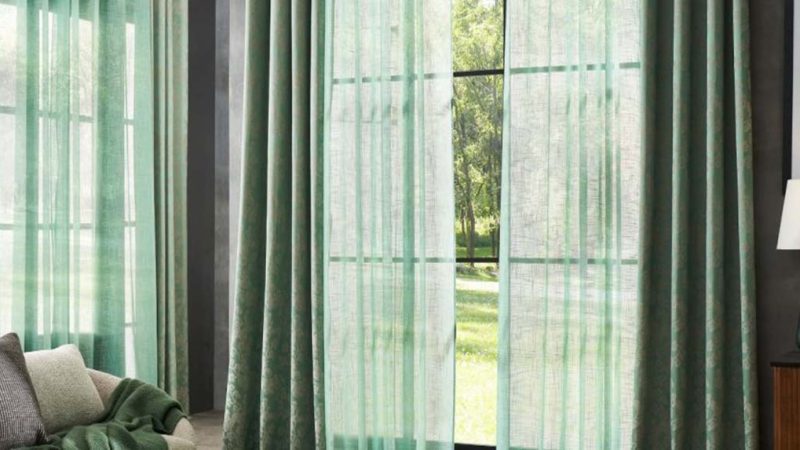
When you walk into a room, what do you want to feel? Peaceful? Energized? Warm? Professional interior design isn’t about copying trendy photos from Instagram. It’s about creating a space that reflects your personal rhythm and daily mood. A couple in Portland, Oregon, transformed their small apartment by first asking, “What kind of day do we want to walk into every morning?” They chose calm. So they introduced soft gray walls, layered lighting, and nature-inspired textures like woven baskets and linen curtains. The result? A home that doesn’t just look good—it feels good to live in. Before adding anything, define your emotional intention. Is it warmth? Sophistication? Ease? This simple step prevents clutter and helps you choose pieces that serve a deeper purpose.
Master the Rule of Three: Balance, Not Perfection
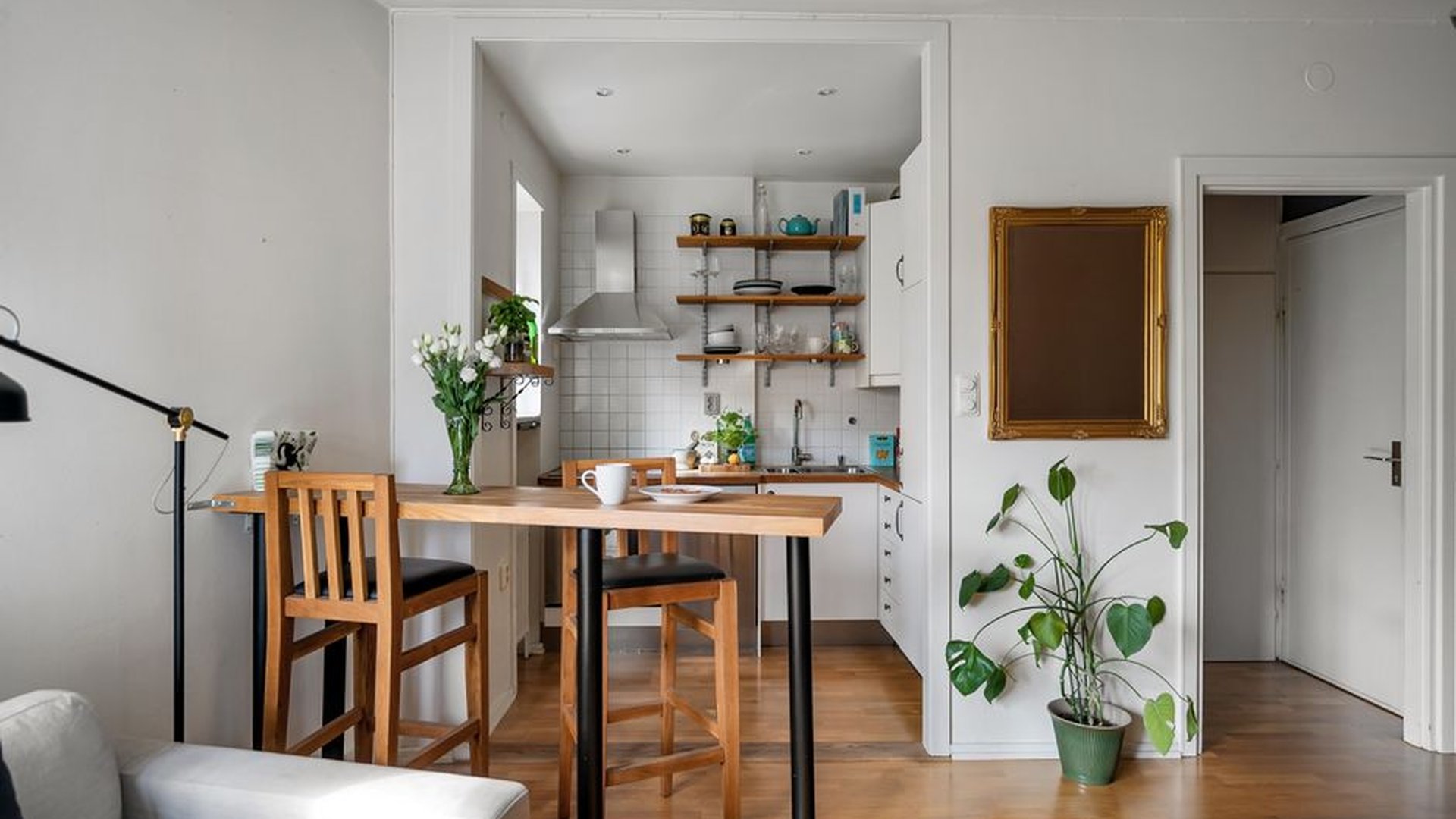
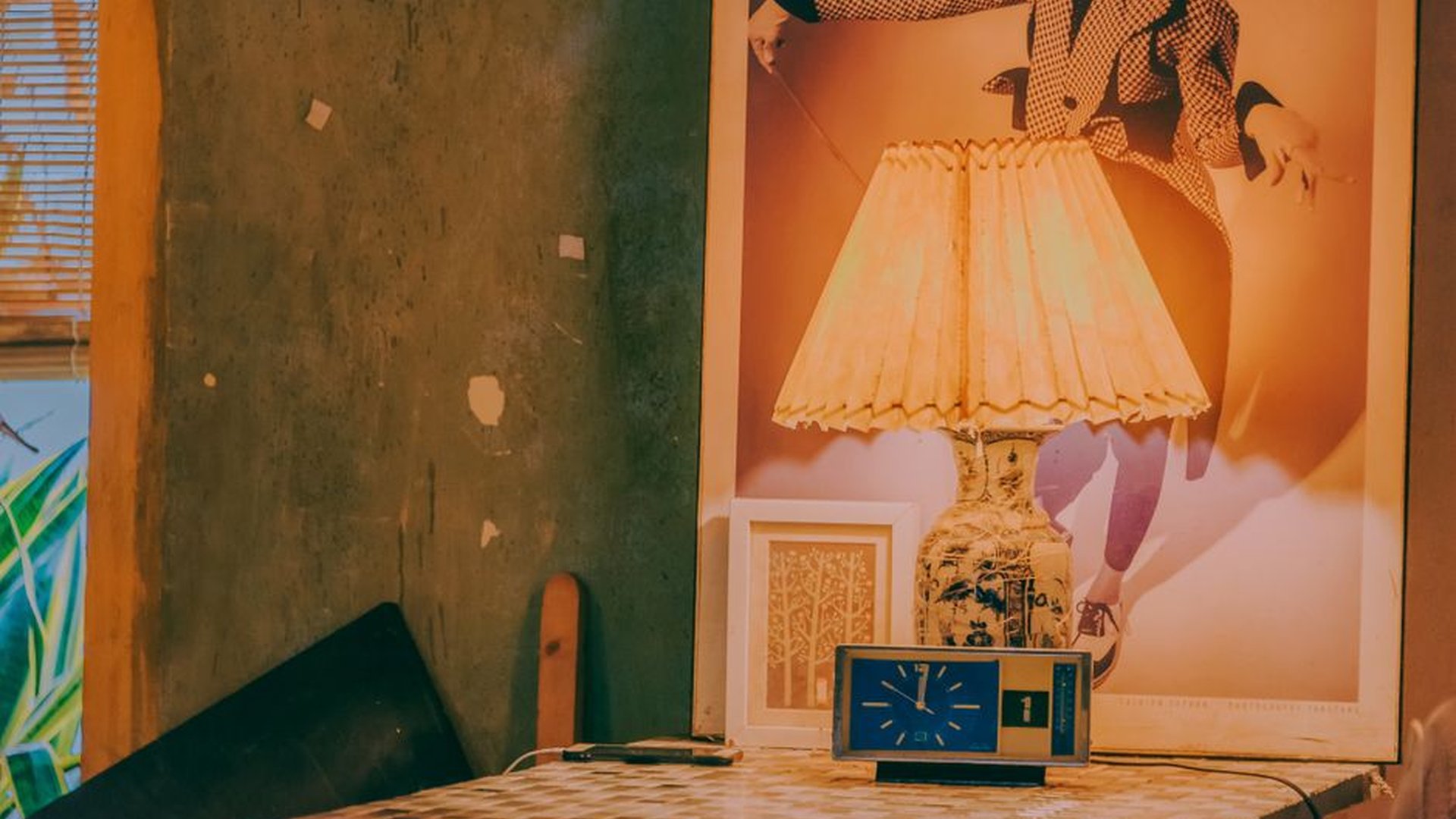
One of the most powerful yet overlooked design rules is the rule of three. It’s not about having exactly three items—it’s about creating rhythm and visual harmony. Think of a dresser with a lamp, a framed photo, and a small vase. These three elements work together, not against each other. When you place a single object on a surface, it feels empty. Two items can look awkward. Three—like a vase with two candles and a book—creates a balanced focal point. A real-life example: a kitchen in Austin, Texas, was cluttered with spice jars, wine bottles, and appliances until the homeowner applied the rule of three to her countertop. She kept only one essential appliance (a compact coffee maker), placed a ceramic mug beside it, and added a small potted herb. The space felt intentional, clean, and inviting—no more visual noise. Use this rule in every room, from shelves to bedside tables.
Use Color Strategically: Low-Key Hues Work Best
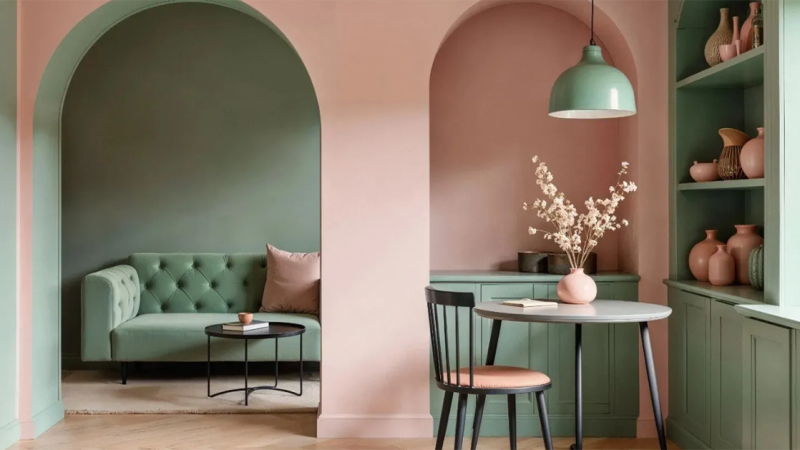
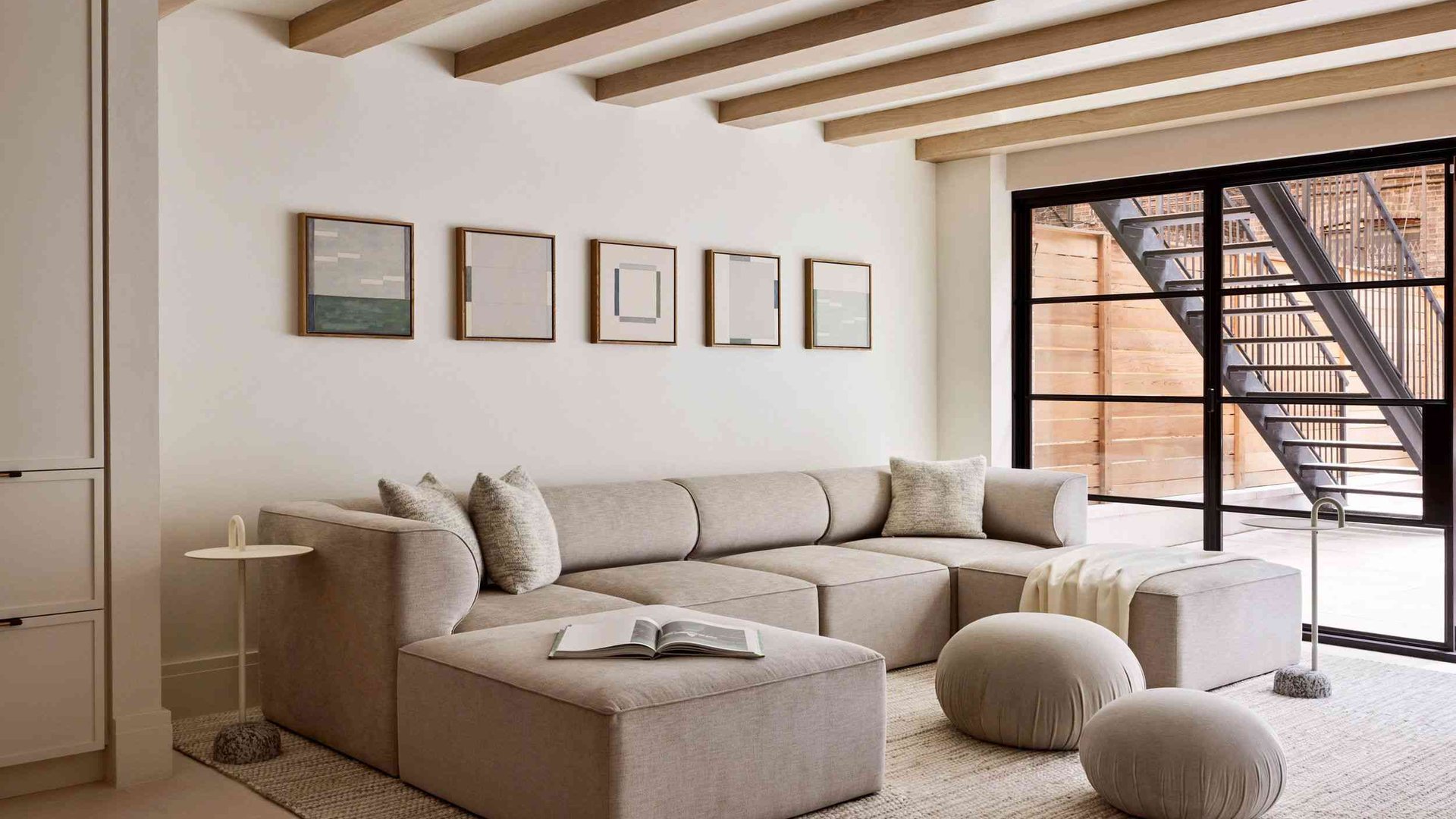
Don’t fall for flashy or loud colors. Professional designers know that neutral tones like warm beige, soft taupe, and cool gray create a foundation that allows texture, light, and personality to shine. A family in Denver, Colorado, struggled with a living room that felt lifeless until they replaced their bright blue sofa with a deep charcoal gray one. They kept the same artwork and wooden coffee table but added textured throw blankets in cream and moss green. The room instantly felt more grounded, serene, and mature. Neutral colors don’t mean boring—they mean flexible. They let you change accessories seasonally, swap out pillows, or add seasonal decor without starting over. This is especially valuable in small spaces or homes with limited natural light. Choose one base color for walls and large furniture. Then layer two to three complementary tones through decor, accessories, and textiles. That’s how you build a space that feels curated, not random.
Let Light Be Your Designer
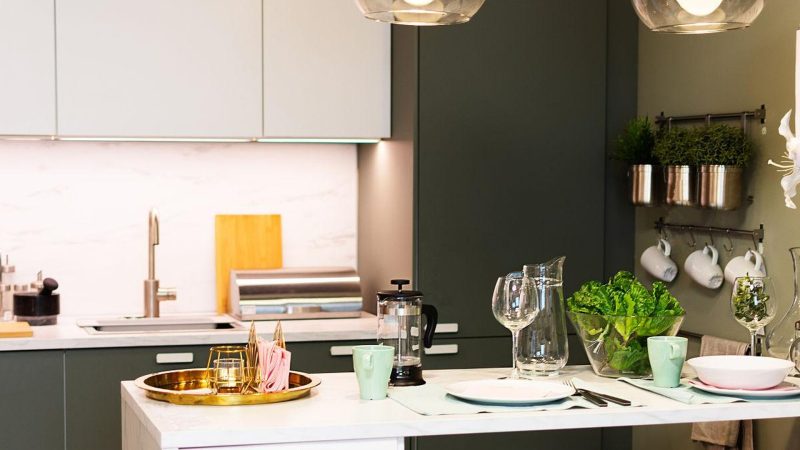
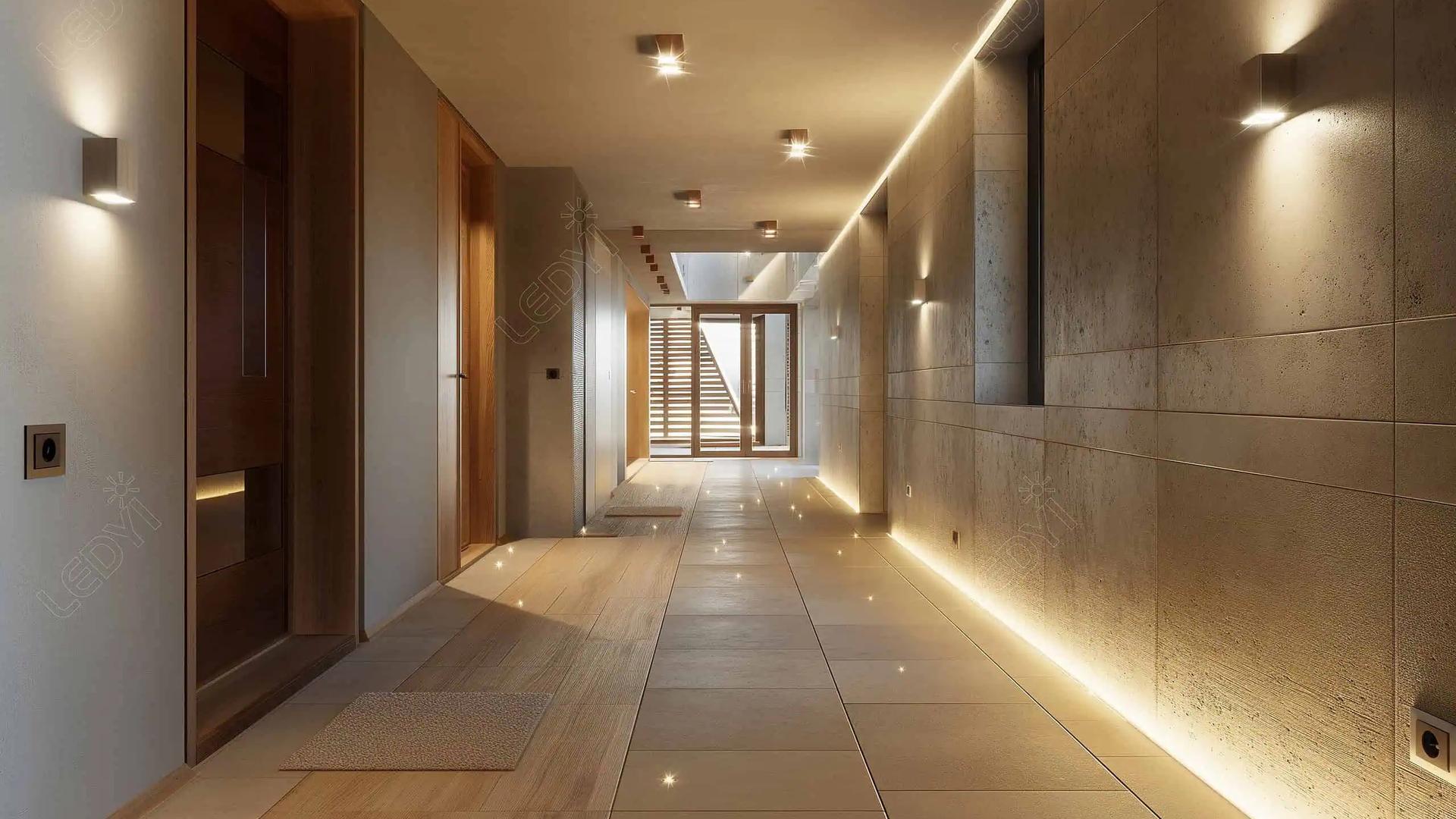
Lighting isn’t just about function—it’s the ultimate design tool. A room with poor light will always look tired, no matter how trendy the furniture. In a Brooklyn apartment, a designer transformed a narrow hallway by installing recessed ceiling lights, a wall sconce near the mirror, and a small floor lamp at the end. The result? A dramatic shift in mood and perception. The space felt wider, cozier, and more intentional. Use layered lighting: ambient (ceiling or floor lamps), task (under-cabinet in kitchens, desk lamps), and accent (spotlights on artwork). In kitchens, affordable LED under-cabinet lights can make a huge difference in visibility and mood. A budget-friendly kitchen in Chicago used a $25 pendant light over the island to replace a single, dim overhead bulb. The change was immediate—cooking became more enjoyable, and the space felt like a true heart of the home. Don’t rely on one source of light. Mix sources, and adjust brightness to match your activity.
Anchor Your Space with One Strong Element
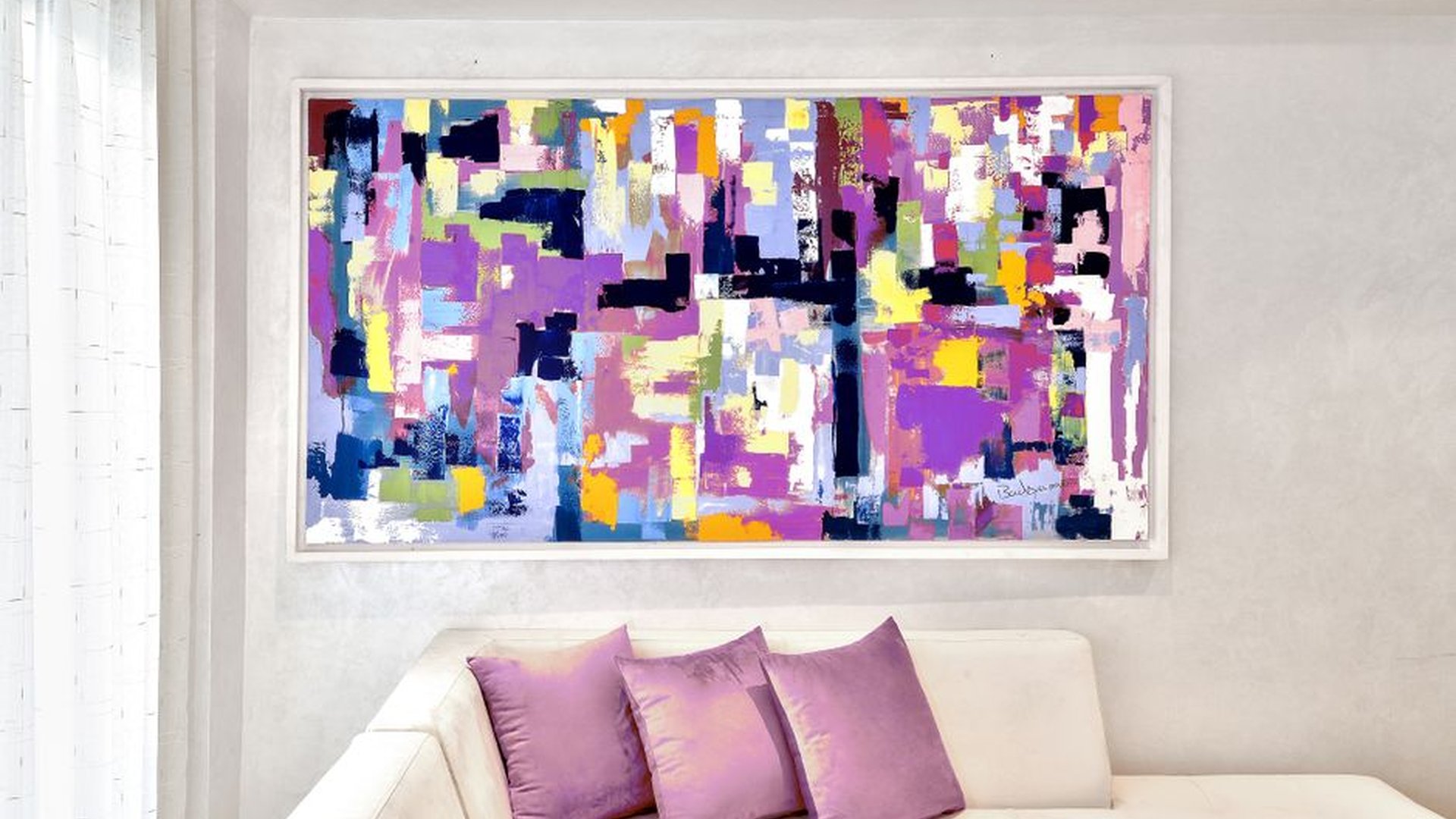
Every professional room has a centerpiece—a piece of furniture, a color, a texture, or even a single piece of artwork that gives the room direction. It doesn’t have to be expensive. It just needs to stand out in a meaningful way. In an apartment in Seattle, a young teacher used a single oversized abstract painting above her sofa as the visual anchor. The artwork was bought secondhand for $80, but its deep blues and golds created instant drama. Everything else in the room—rugs, cushions, shelves—was chosen to support that focus point. The room felt unified, not scattered. You can create an anchor with a vintage rug, a sculptural side table, a built-in bookshelf, or even a single potted plant in a bold ceramic pot. Once you have that anchor, every other item becomes easier to place. Ask yourself: “If I walked into this room blindfolded, what would I notice first?” That’s your anchor.
Upgrade Your Space with Pro Design Tips
The truth is, you don’t need a massive budget or a designer degree to create a home that feels like a million bucks. It’s not about perfection. It’s about intention. Let your space reflect how you want to live—not how others think you should. Use the rule of three to avoid clutter. Choose neutral colors that let light and texture breathe. Let lighting shape the mood. And always have one strong element pulling everything together. These aren’t trends. They’re timeless principles that work because they’re rooted in human need—clarity, balance, comfort. Apply them step by step, and you’ll walk into a home that not only looks good but feels like it belongs to you.