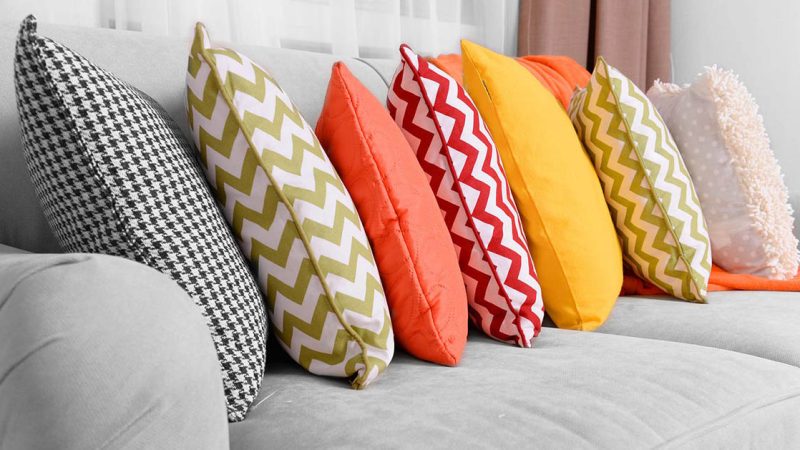
Beyond Decoration: Why Textiles Are Essential to Creating a Beautiful Home
Beyond Decoration: Why Textiles Are Essential to Creating a Beautiful Home
When people think about home design, they often picture walls, floors, and furniture. But some of the most powerful tools for crafting a beautiful, welcoming space aren’t structural—they’re soft. Textiles—curtains, rugs, throws, bedding, and even table linens—play a far more important role than just adding color or pattern. They shape the mood, improve comfort, and transform a house into a true home. It’s not just about looking good; it’s about feeling good.
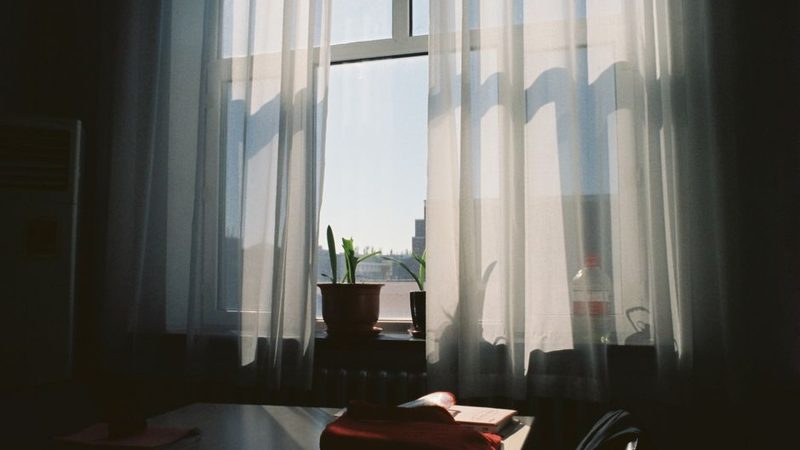
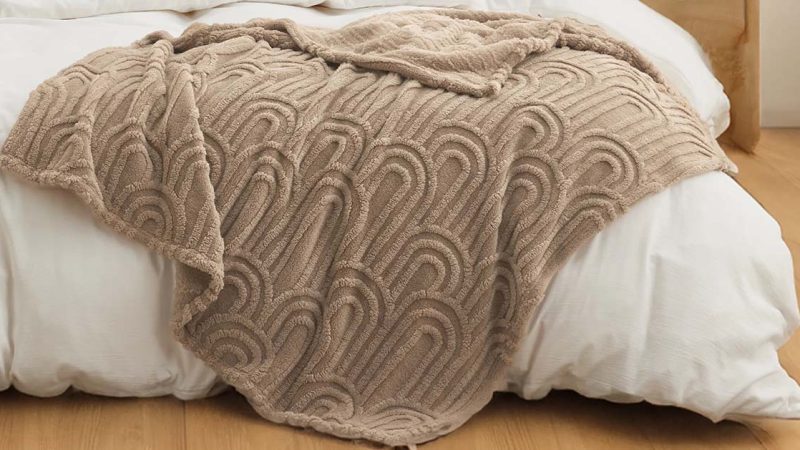
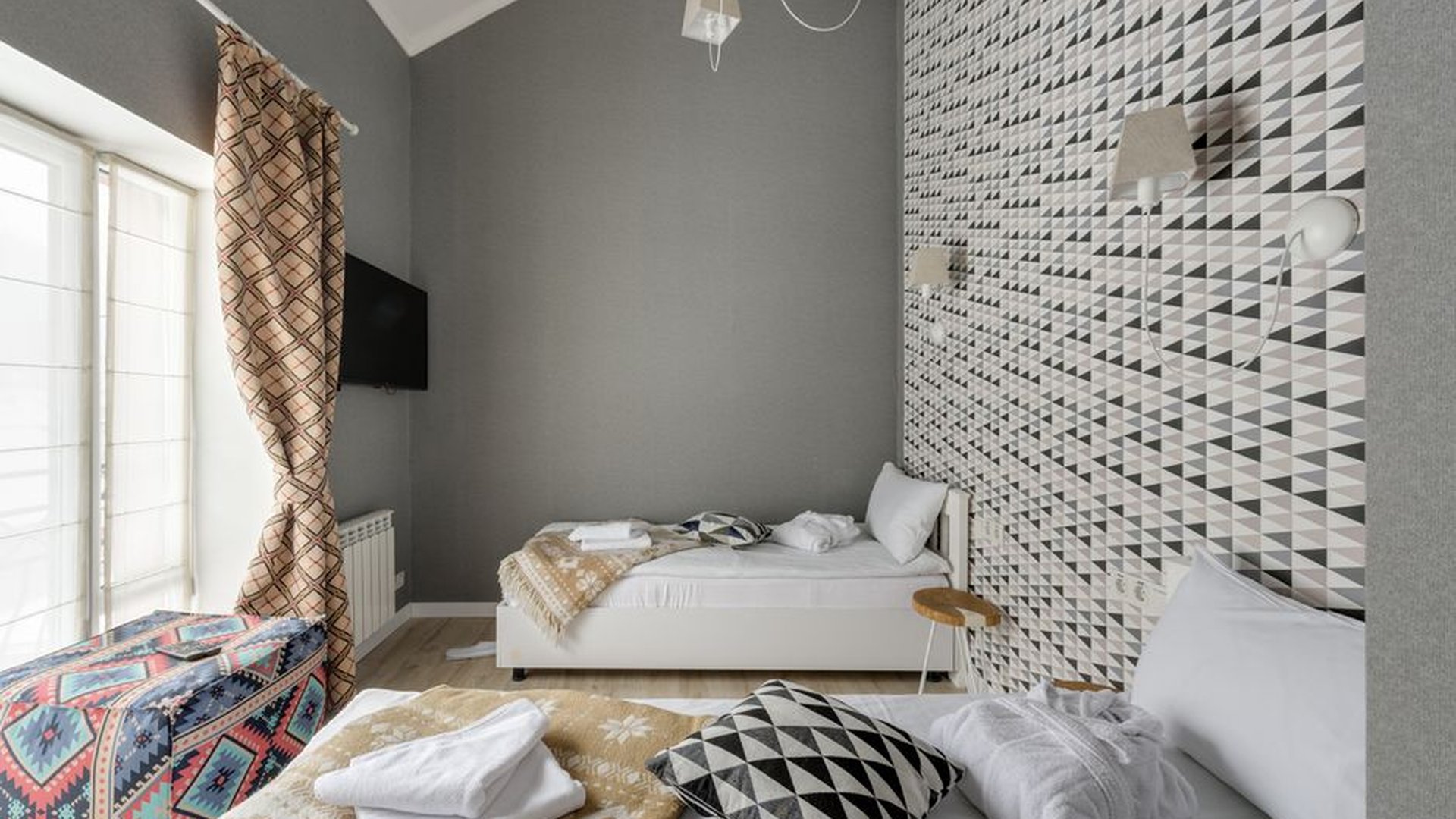
Consider a cold winter morning. You wake up, pull back the covers, and realize the bedroom feels flat, lifeless. Now imagine walking into the same room, but this time, the light catches a thick, textured throw draped over a wooden chair. The woolen blanket on the bed feels warm against your fingers. The curtains, made of slightly sheared fabric, let in soft, diffused sunlight. Suddenly, the space feels different—not just seen, but experienced. That’s the quiet power of textiles.
Comfort Is the Foundation of Beauty
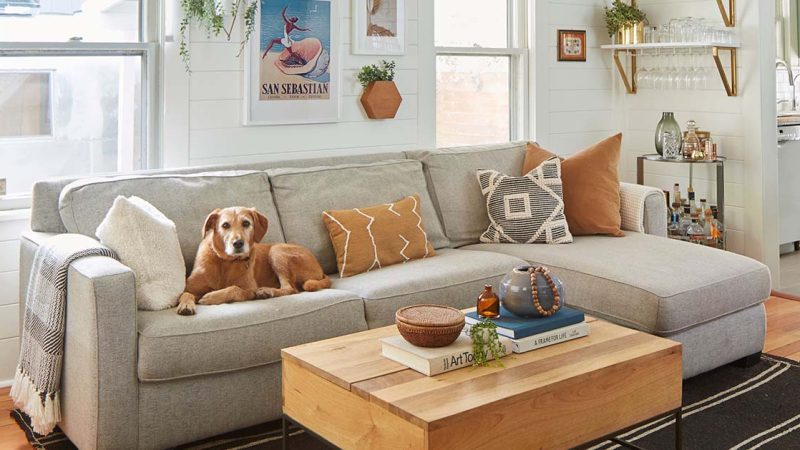
Good design isn’t just about aesthetics; it’s about experience. The most beautiful homes are those that feel comfortable, not just visually pleasing. And textiles are the first line of defense against discomfort. A cotton throw on a leather sofa doesn’t just look cozy—it cools down during summer, warms up in winter, and resists stains better than most fabrics. A thick, plush rug in a living room doesn’t just hide scuff marks; it absorbs sound, cushions footsteps, and makes bare feet happy.
Take the example of a couple in Portland, Oregon, who redesigned their open-plan living area after noticing how noisy and chilly it felt in winter. They didn’t buy new furniture. Instead, they layered three different textiles: a jute rug under the sofa, a medium-weight wool throw on the armrest, and sheer linen curtains to diffuse the overhead lights. Within a week, their family reported better sleep, fewer arguments over temperature, and a stronger sense of connection in the space. The change wasn’t dramatic in appearance, but it was transformative in feeling.
Texture and Tone: The Hidden Language of Home
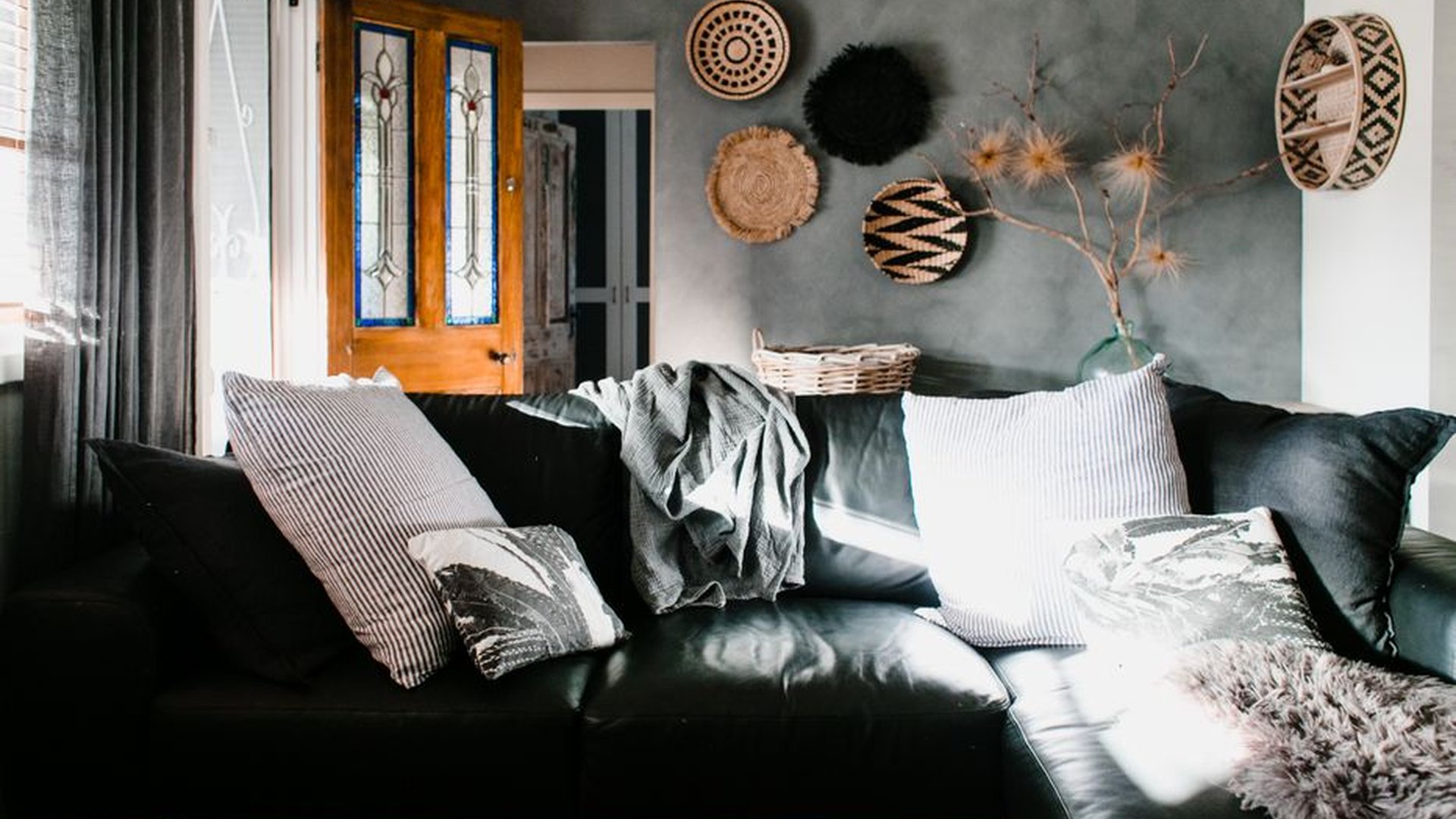
Colors are important in decor, but textures are what your senses actually remember. The difference between a cold, glossy curtain and a soft, woven one isn’t just visual—it’s tactile and emotional. We don’t just see fabrics; we feel them, and those sensations shape how we relate to a space.
Think about a kitchen in a small apartment in Brooklyn. The owner wanted to make it feel larger and warmer. Instead of painting the walls, she added a textured linen table runner, a pair of knitted oven mitts, and a fringed towel tied on the handle of the back door. The details didn’t cost much—most were under $15—but they made the room feel curated, not cluttered. Visitors often comment on the warmth, not the color scheme.
This is key: textiles don’t need to be expensive to make an impact. A budget-friendly cotton towel with a simple weave, a used linen blanket from a thrift store, or a handmade patchwork quilt from a local market—all these items carry emotional weight far beyond their price tag. They tell stories. They carry memories. They reflect identity.
Practicality Meets Elegance in Everyday Life
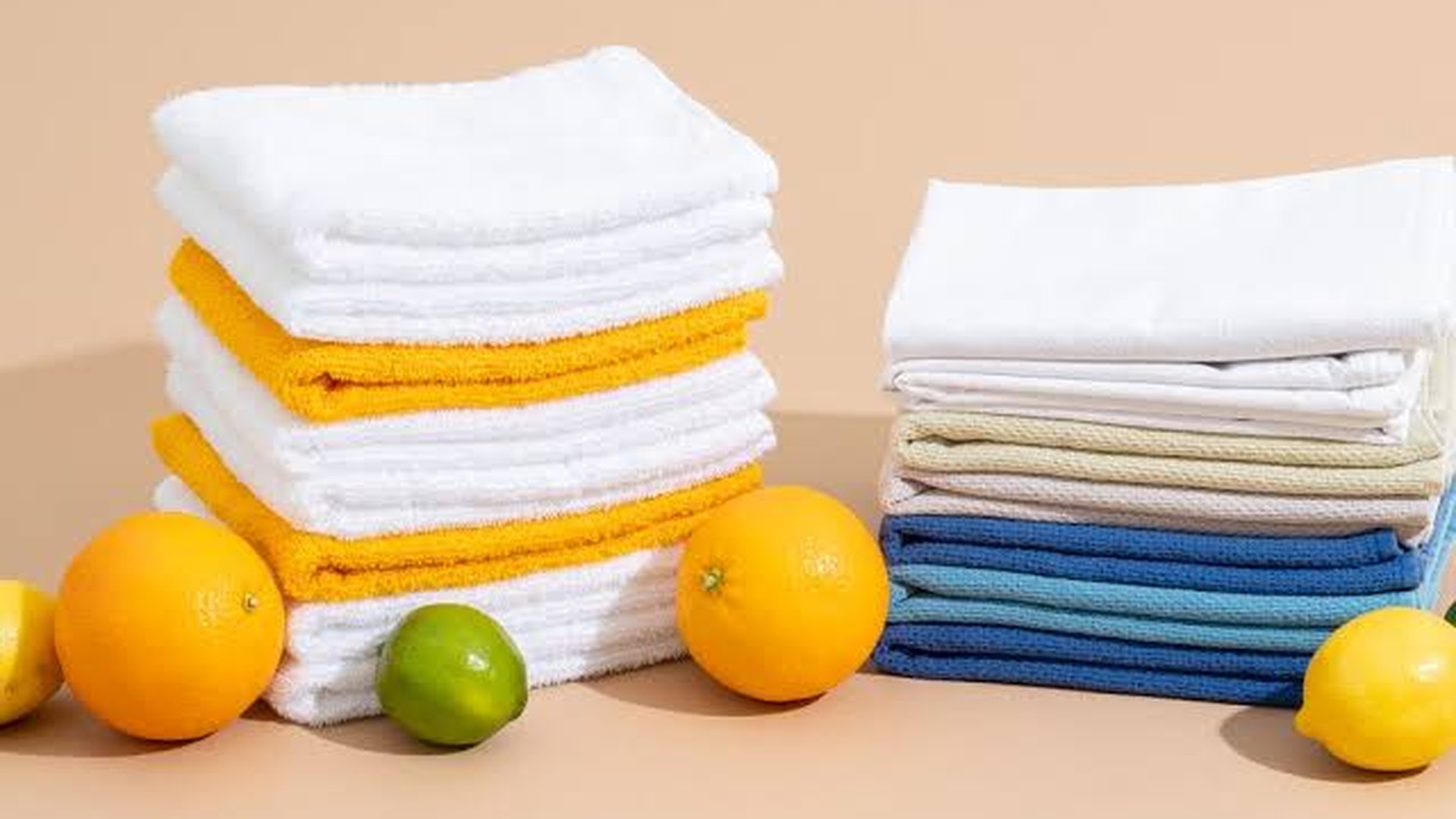
Beauty isn’t just at the end of a design process—it’s built into daily routines. Textiles that serve a purpose while also looking good are the unsung heroes of modern living. A well-chosen kitchen towel doesn’t just dry dishes; it helps prevent grease from spreading, resists odor, and stays clean longer. A durable, stain-resistant tablecloth doesn’t just protect the wood—it elevates meals, makes cleanup easier, and brings a sense of ritual to everyday meals.
In a recent survey conducted by Cheap Kitchen Appliances, over 72% of users reported that switching to higher-quality, washable kitchen textiles (like decorative dish towels and aprons made from organic cotton and hemp blends) led to improved cooking confidence and reduced kitchen stress. These aren’t luxuries. They’re tools that support efficiency, reduce waste, and create a more enjoyable experience.
One user shared how swapping a flimsy plastic-backed towel for a thick, natural-fiber one changed her morning routine. The new towel dried her hands faster, stayed soft after washes, and even started to develop a personal scent over time—something she didn’t expect, but now cherishes. It’s a small detail, but it made her feel more in control of her kitchen space.
Smart Choices for Long-Term Value
Not all textiles are created equal. A $5 throw might look good for a month—but if it pills, fades, or loses shape after two washes, its value drops fast. The goal isn’t just to decorate; it’s to invest in durability, ease of maintenance, and long-term function.
So how do you choose wisely? Start by asking three simple questions: What’s the primary use? What’s the fabric’s care routine? How does it feel to the touch?
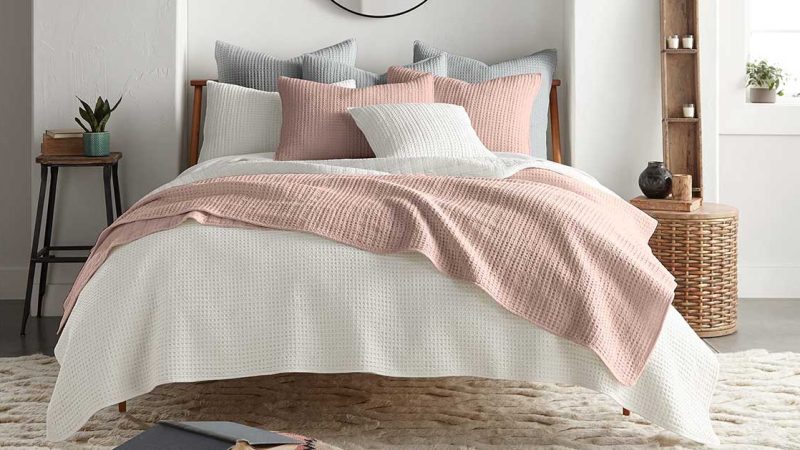
For high-traffic areas like living room floors, choose medium-weight wool or synthetic blends that resist wear. For bedrooms, go for cotton or cotton blends with a thread count of 200–300—perfect for year-round comfort. Kitchen textiles? Prioritize absorbency, heat resistance, and stain resistance. Look for fabrics labeled as “machine washable,” “fade-resistant,” or “wrinkle-free.”
A real-life example comes from a family in Austin, Texas, who replaced their old kitchen towels and dish cloths after their children started getting mild infections from contaminated kitchen sponges. They switched to a set of antimicrobial, quick-dry towels made from recycled polyester and bamboo. Not only did the kitchen feel cleaner, but the towels dried in 30 minutes—reducing mold risks. After six months, they reported spending less on cleaning supplies and felt more confident about food safety.
Final Thought: Beauty That Lives
A beautiful home isn’t defined by expensive finishes or designer labels. It’s built on daily comfort, thoughtful details, and textiles that support life, not just decorate it. When you choose a fabric because it feels good, lasts long, and works well, you’re not just buying a piece of decor—you’re choosing to design a life.
Textiles are more than decoration. They’re anchors. They’re reminders. They’re the soft layers that turn a house into a home.