Living Room Lighting: Bright Cozy or Dramatic
Understanding the Mood: Bright, Cozy, or Dramatic?
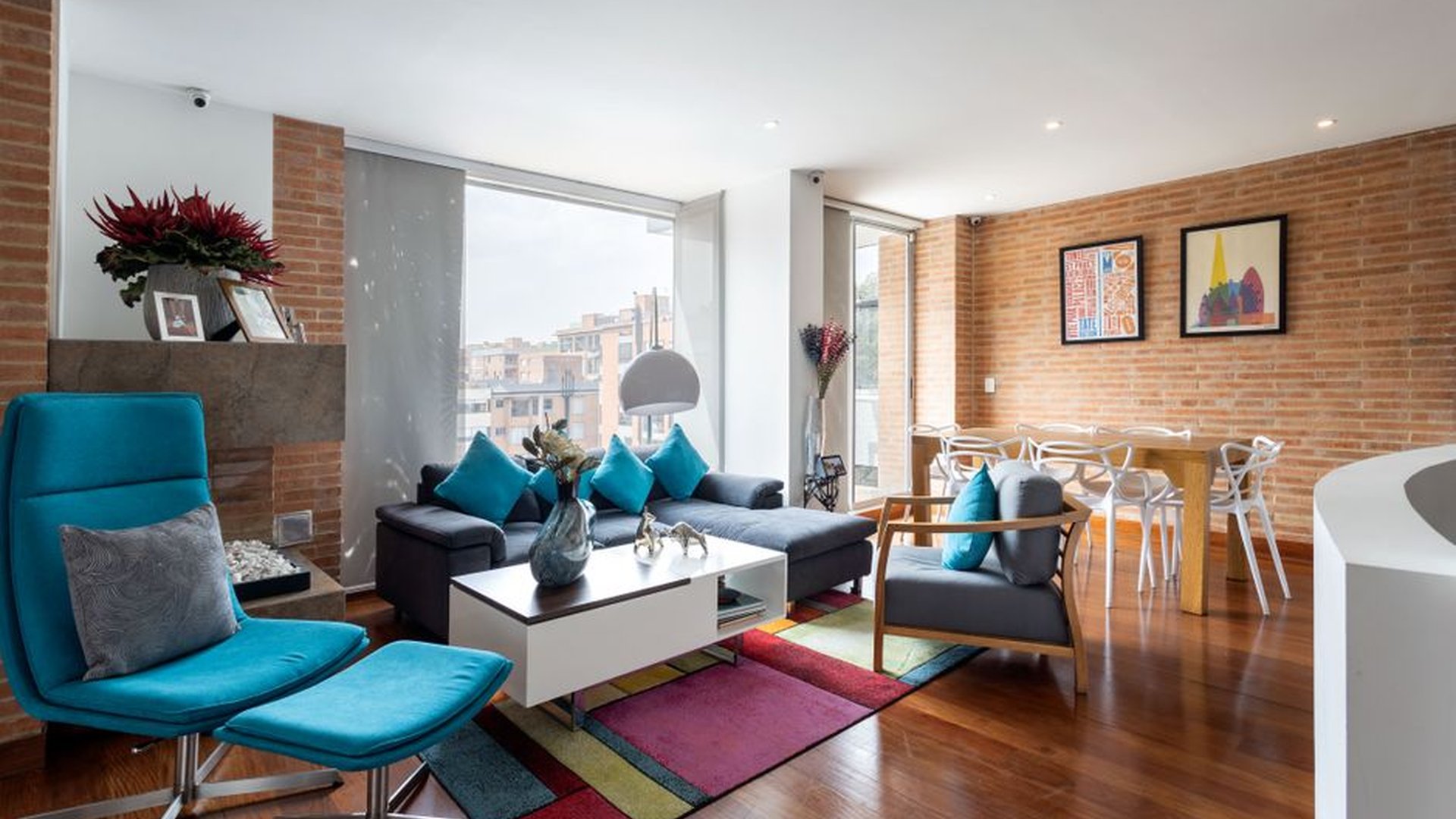
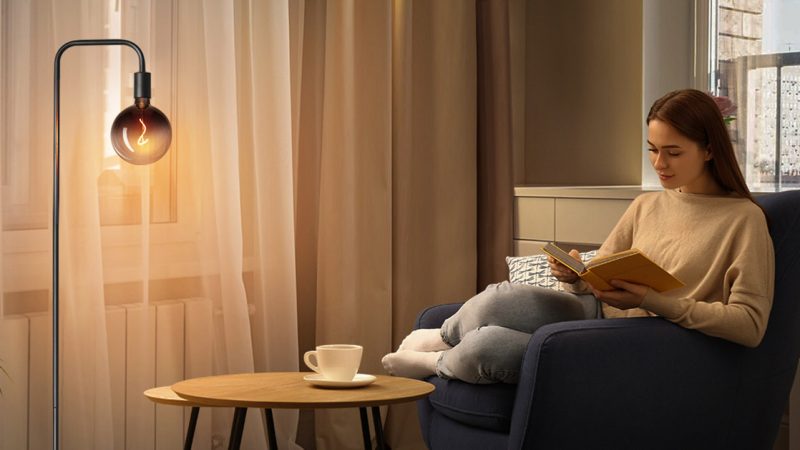
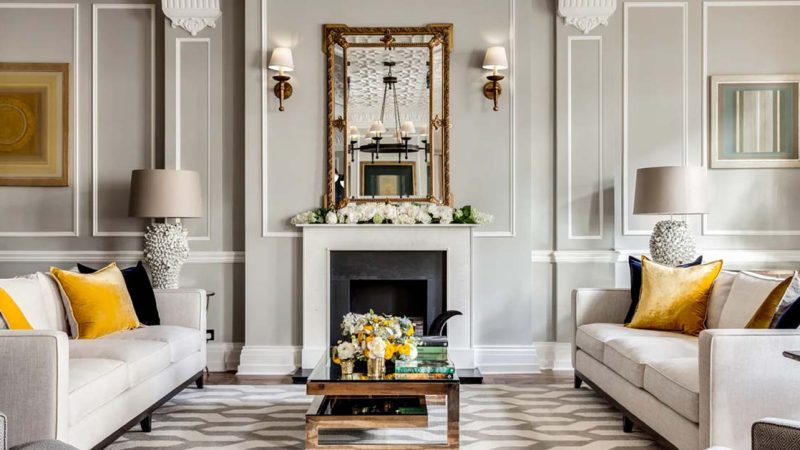
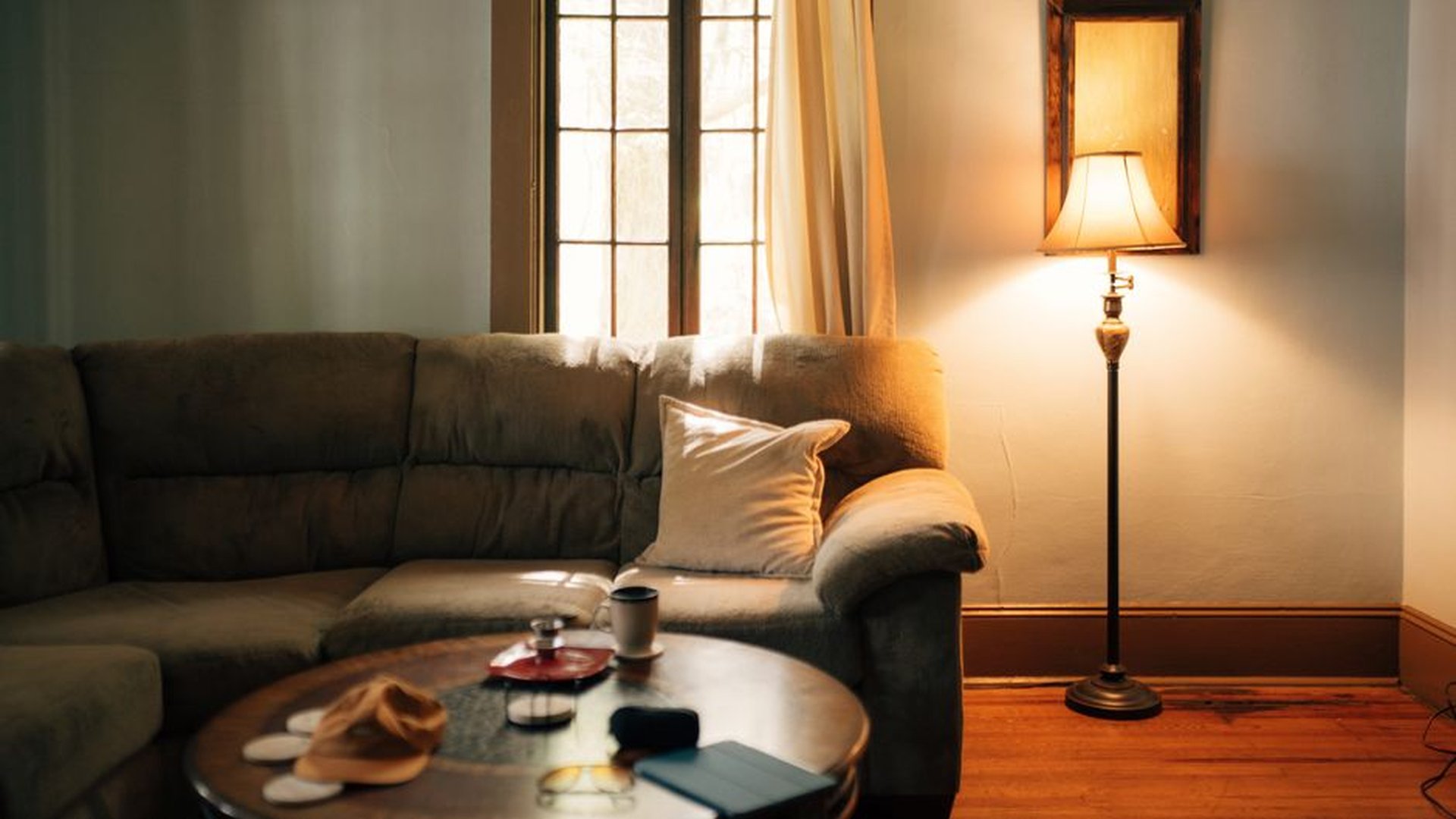
When you step into a living room, the first thing that often registers isn’t the sofa fabric or the artwork on the wall—it’s the light. Lighting shapes the mood, defines the atmosphere, and can turn a simple space into an emotional sanctuary. Whether you’re looking to host friends for a movie night, unwind with a book, or impress guests with a stylish setup, your lighting strategy should reflect your lifestyle. The debate isn’t about which light is better—it’s about how well it matches your needs. A bright living room offers clarity and energy, great for reading, working, or entertaining guests. A cozy setup warms the room with soft glow, ideal for quiet evenings and relaxation. And a dramatic effect—think layered, directional, and feature-focused—adds cinematic flair and elegance, perfect for formal gatherings or creating a focal point in a modern home. The secret isn’t to choose one, but to blend them thoughtfully to create a living room that works for every moment of your day.
Layering Light for Real-World Functionality
Don’t rely on a single overhead fixture to do it all. Real-life lighting schemes thrive on layering—using multiple sources to create depth, texture, and flexibility. Imagine a typical living room in a suburban home in Austin, Texas, where a family of four uses the space from 7 a.m. for breakfast to 10 p.m. for family movie time. In the morning, a bright ceiling fixture provides general illumination. As daylight fades, they dim the overhead light and turn on a floor lamp by the reading chair—immediately creating a softer, more intimate mood. At night, they use a recessed accent light above a family photo wall to highlight memories, and a dimmable table lamp near the couch to keep the room from feeling too dark. This isn’t a designer’s fantasy—it’s a functional, budget-savvy approach used by thousands of real homeowners. Use three types of lighting: ambient (general), task (for specific activities), and accent (for mood and focus). Start with a budget-friendly ceiling fixture, add a pair of floor lamps under $50, and finish with LED strip lights behind a TV wall—only $15. These small upgrades create big differences in experience and comfort.
The Power of Dimmable Fixtures and Smart Control
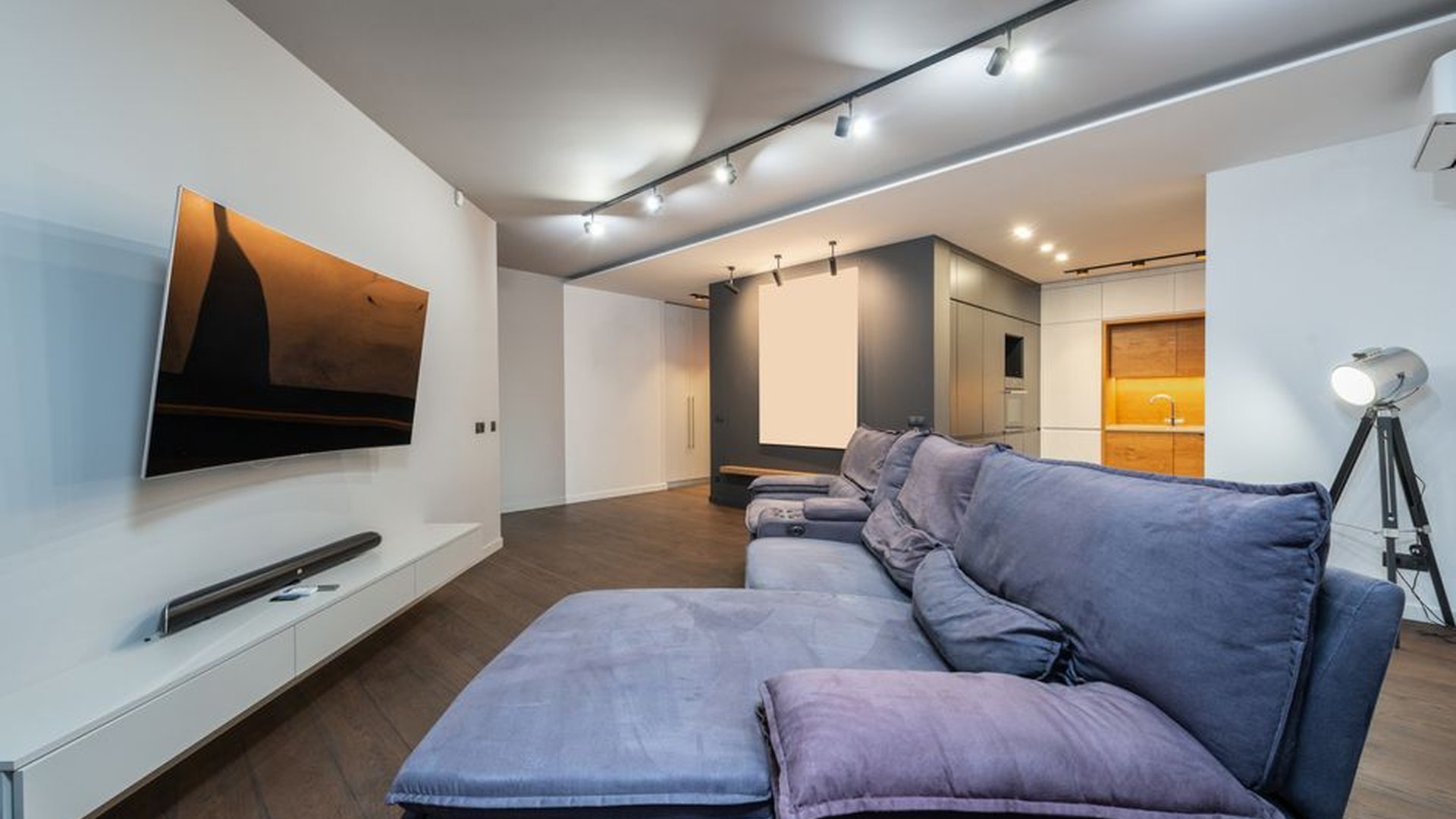
One of the most overlooked but impactful decisions in a living room lighting plan is dimmability. A smart light switch or a dimmable bulb can transform a room in seconds. Picture a couple in Portland, Oregon, who used to leave the main light on for everything—from dinner to movie nights. After installing a dimmable ceiling light and a smart plug for their floor lamp, they now adjust the brightness based on the moment. In the evening, they dim to 30% for a cozy cocktail hour. During a movie, they lower it to 10% and add a small nightlight to avoid blinding reflections on the screen. The best part? They didn’t spend thousands. A $30 dimmable LED bulb and a $25 smart switch (available at major retailers like Home Depot and Target) made the shift seamless. With smart lighting systems, you can even control mood lighting via smartphone or voice—setting scenes like “Relax,” “Entertain,” or “Read.” These aren’t luxury extras. They’re practical tools that help you get the most out of a small space, at a price that fits most budgets.

Choosing Fixtures That Fit Your Style and Budget
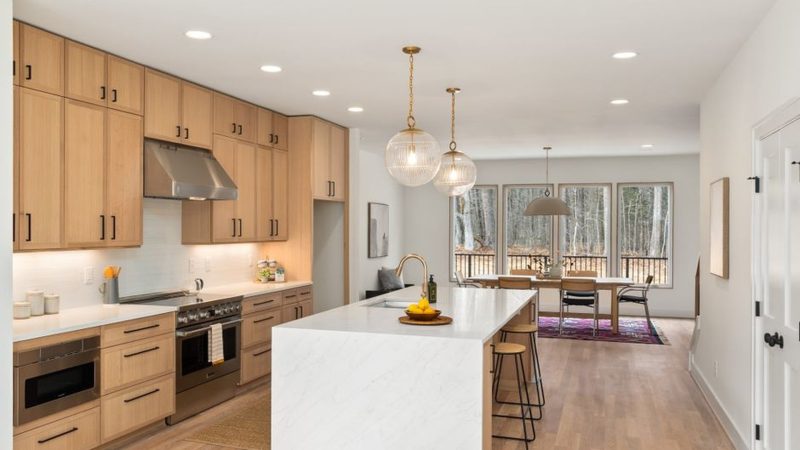
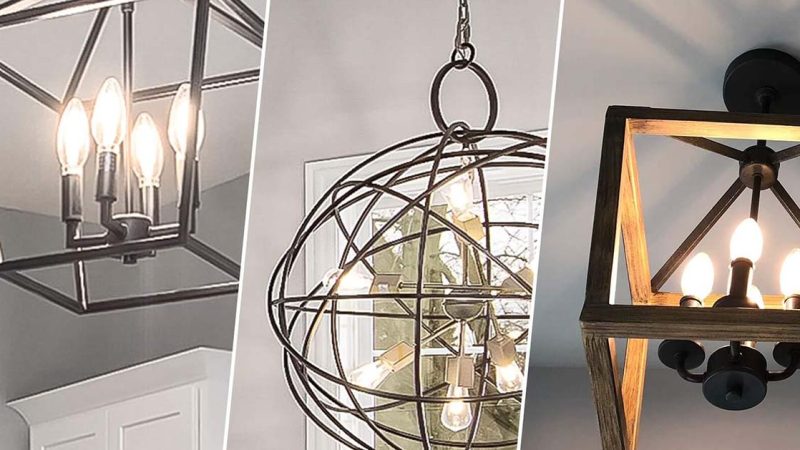
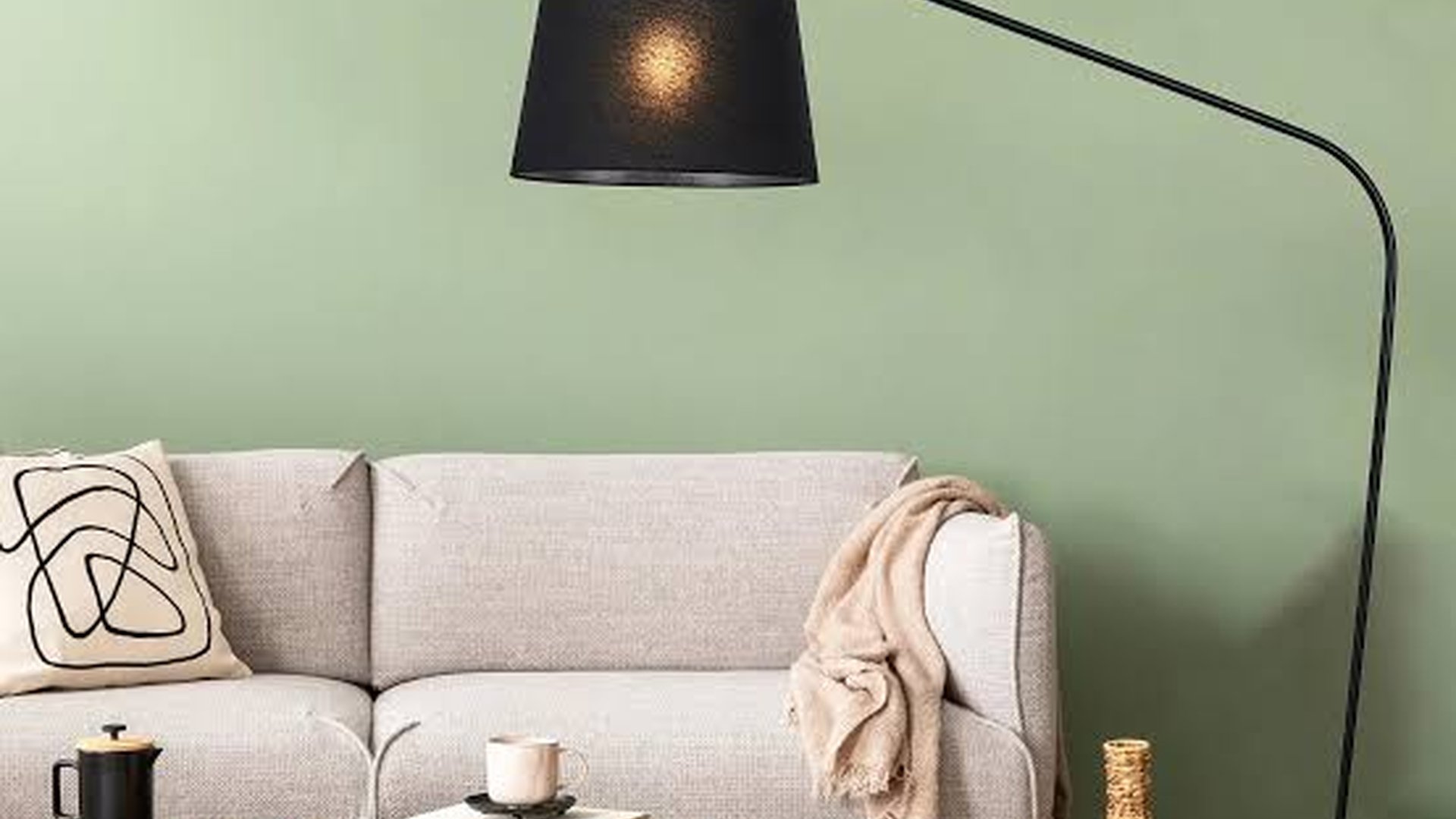
The right fixture isn’t about looking expensive—it’s about looking intentional. Many people make the mistake of buying oversized chandeliers or imported lamps they can’t afford, only to find them overwhelming or impractical. Instead, focus on form and function. A sleek black floor lamp with a fabric shade can soften overhead glare while adding modern edge. Look for products made with durable metal or tempered glass—features that not only last longer but also age well. For example, a simple 36-inch arc lamp with a brass finish and a beige linen shade costs just $42 on Amazon and has received over 10,000 5-star reviews for its balance of style and value. Another winner: a $28 recessed LED downlight with built-in dimming. It’s discreet, energy-efficient, and perfect for accenting artwork or architectural details. Don’t overlook secondhand or clearance sections—many high-quality fixtures are sold at 50% off after holidays or seasonal transitions. A well-picked vintage lamp, cleaned and rewired, can cost under $50 and become a centerpiece of your living room.
Creating Your Perfect Lighting Mix: A Step-by-Step Guide
Start by assessing your living room’s natural light. Is it south-facing with abundant sunlight, or north-facing and shaded? Use natural light as your baseline. Then, map out your daily routines: when do you read, watch TV, host guests, or meditate? Plan your lighting zones accordingly. Next, assign a lighting function to each area: a reading nook needs focused light; a TV wall needs ambient but not glaring light; a corner with a plant or bookshelf benefits from a small accent light. After that, choose your fixtures based on budget and durability. Prioritize dimmable options, and avoid overloading circuits. Finally, test and adjust. Turn on the lights at different times of day to see how they interact with walls, furniture, and artwork. Make small changes—switch a bulb, move a lamp—and notice how it alters the entire mood. The goal isn’t perfection—it’s practical harmony. When your lighting supports your life, not the other way around, you’ve created something truly valuable: a living room that feels like home.