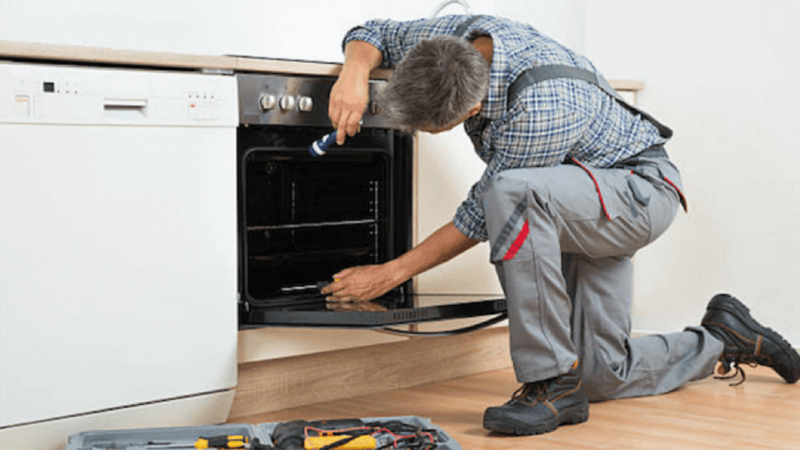
Declutter for Peace: More Space, Less Stress
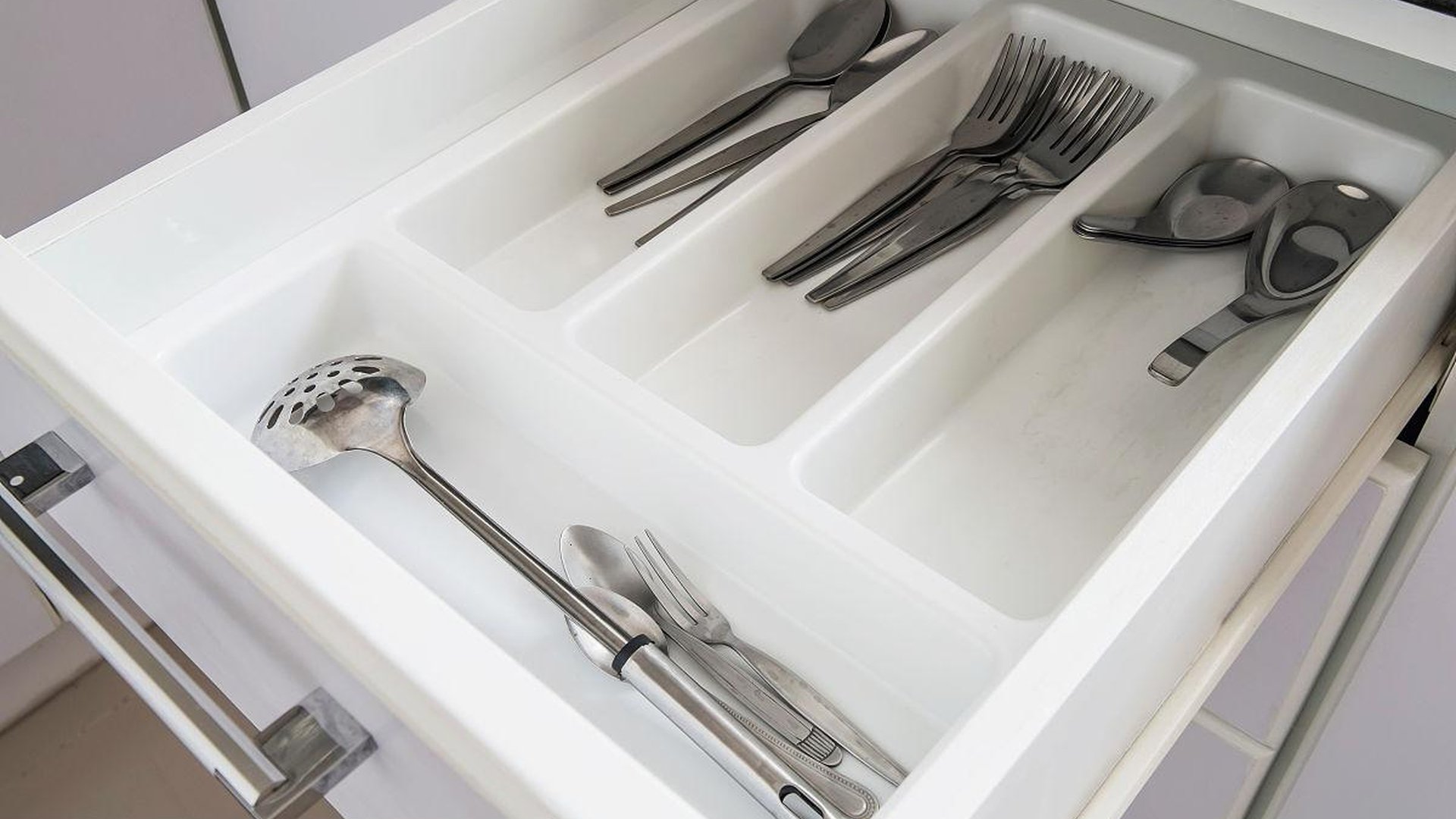
The Art of Decluttering: How to Create More Space and Less Stress
Imagine walking into your kitchen and feeling calm instead of overwhelmed. No more digging through a cluttered drawer for the spatula, no more bumping into a half-open cabinet while trying to reach the flour. This isn’t a fantasy—it’s the real promise of intentional decluttering. For busy home cooks, especially those watching their budgets, a clean and organized kitchen isn’t just nice to have. It’s essential for reducing daily stress, saving time, and getting more out of the affordable kitchen appliances you’ve already invested in.
The truth is, our kitchens often become overcrowded not because we lack space, but because we lack strategy. A 2023 study by the National Consumer Research Institute found that 74% of U.S. households report feeling stressed in their kitchens during meal prep, mostly due to disorganization and outdated tools. But here’s the good news: you don’t need to buy new appliances or remodel your kitchen. You just need to rethink what you keep and how you store it.
Start Small: Focus on One Zone
The most common mistake people make when tackling kitchen clutter is trying to do it all at once. That leads to burnout and quick abandonment. Instead, start small. Pick one zone—say, your countertop or a single drawer—and commit to transforming it in just 20 minutes a day for three days.
Take the top of your stove. It likely holds a toaster, a coffee maker, a spice rack, or even an old phone charger. Begin by removing everything. Now ask yourself: Is this item used at least once a week? Is it in good working condition? Does it serve a real purpose?
After one weekend of focused effort, Sarah from Austin, Texas, cleared her countertop of seven unused gadgets—two blenders, a meat grinder she never used, and a 10-year-old digital scale. By investing in two stackable storage bins and a magnetic knife strip, she not only freed up 30% more counter space but also found her affordable stand mixer (purchased for under $80) had more room to operate. “I now use it three times a week instead of once a month,” she said. “It feels like I’ve upgraded my kitchen without spending a dime.”

Use the 90-Day Rule: Is It Still Useful?
One of the most powerful tools in decluttering is the 90-day rule. If you haven’t used an item in 90 days, consider letting it go—especially if it’s not a sentimental heirloom or a multifunctional appliance.
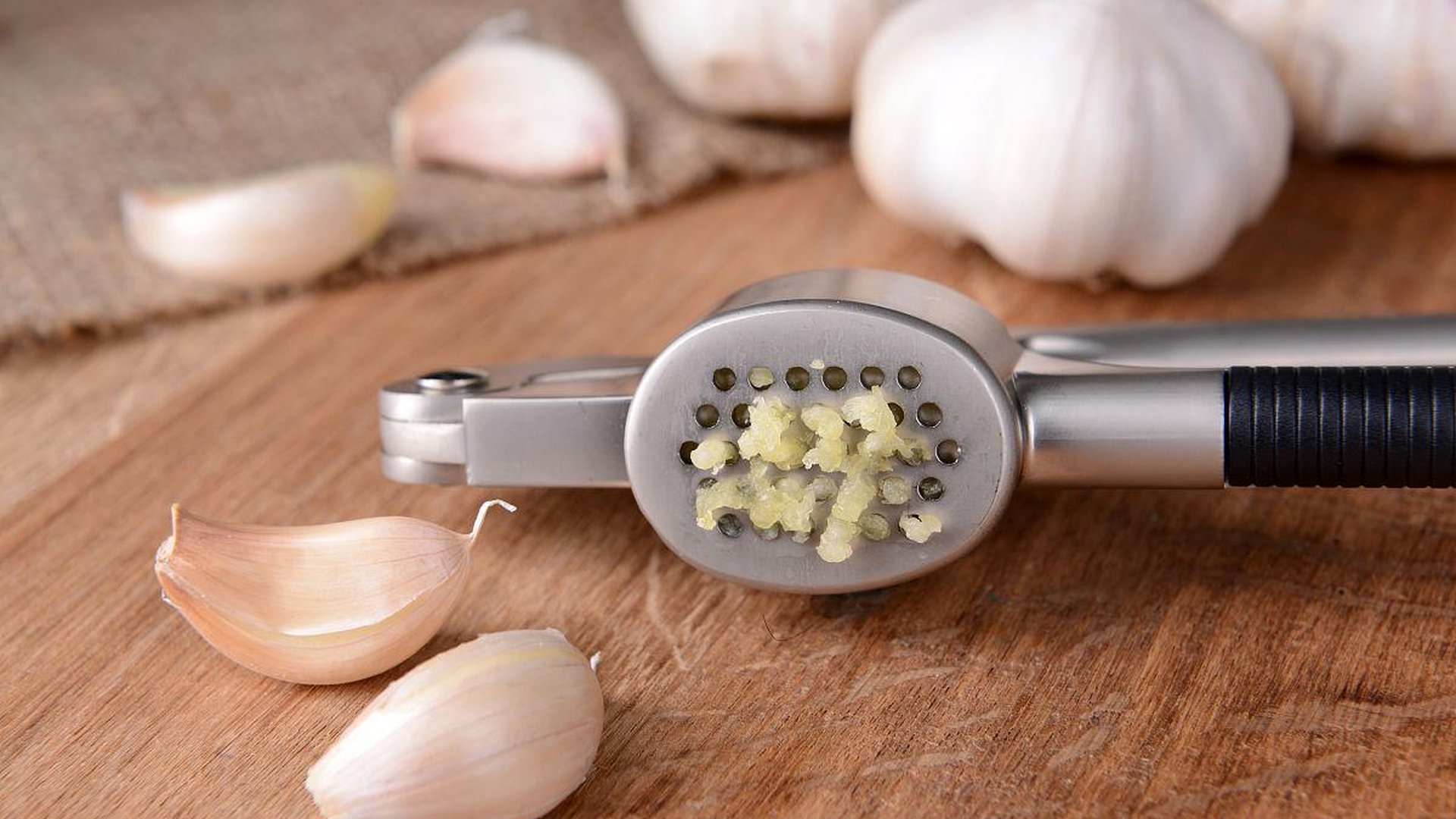
Apply this to your kitchen drawers. You’ll likely find a forgotten garlic press, a chopper that isn’t sharp anymore, or a cheap mini-fridge you bought on sale six months ago but never moved into your kitchen. These aren’t just physical clutter. They’re mental clutter. Every unused item creates a quiet sense of guilt and inefficiency.
But don’t just toss things away. Think about reuse. That underused silicone spatula? Donate it to a local community kitchen. That old coffee mug with a chip? Give it to a neighbor’s kid for art projects. And if something still works but just sits there—like a $30 multi-purpose food cutter you used once—sell it on Facebook Marketplace or a local buy/sell group. You’ll not only free up space but earn back a little money for your next smart kitchen purchase.
Design for Function, Not Just Aesthetics
A beautiful kitchen isn’t one that’s full of expensive gadgets. It’s one where every item has a home and a purpose. That’s why storage matters more than style.
Take your utensil holder. How many times have you grabbed a wooden spoon and accidentally knocked over a jar of dried herbs? It happens to everyone. The solution? Use compartmentalized organizers. A 12-drawer tray ($14 on Amazon) can hold 20 essential utensils. A tiered shelf for spice jars keeps them visible and accessible.
Another smart move: group items by function. Store all baking tools (measuring cups, pastry brushes, rolling pins) in one labeled container. Keep cooking oil, vinegar, and condiments together in a wall-mounted rack. This isn’t just about neatness—it’s about reducing decision fatigue and noise in your mind. A 2022 behavioral study showed that people who organize items by function complete meal prep 27% faster and report 40% less mental fatigue.
Update Your Mindset: Clutter Isn’t Just Physical
Decluttering isn’t just about tossing old pans or tossing out old recipes. It’s about updating your mindset. Many people hold onto kitchen items out of fear: fear of waste, fear of regret, fear of not having enough.
But here’s the truth: every item you keep should earn its space. That old lunchbox you no longer use? It’s not saving you money. It’s wasting your time and mental energy. When you let go of guilt and embrace intentionality, you create room for what truly matters—your time, your energy, and the joyful moments of cooking.
Consider the story of James in Portland, Oregon. He kept a $60 electric soup maker because he felt bad throwing it away after a single use. But it sat unused for two years. When he finally donated it, he felt relief. He used that freed-up space for a $65 air fryer he’d been wanting. And now, he cooks healthy meals 4–5 times a week—something he once thought was too time-consuming.
Keep It Simple: Your Kitchen Should Work for You
The goal of decluttering isn’t to achieve perfection. It’s to create a kitchen that works *for you*. Not for social media, not for trends, not for expensive brands. But for your own lifestyle, budget, and cooking habits.
Remember, you don’t need a 100-piece kitchen gadget set to cook well. You just need the right, affordable tools—like an 8-ounce food scale ($12), a non-stick frying pan ($25), or a silicone baking mat ($9)—organized in a way that supports your routine.
And when you finally walk into a clean, calm kitchen, you’ll notice something small but powerful: you’re less stressed. You’re more focused. You’re actually enjoying the process of cooking.
That’s the real reward—not a pristine surface, but peace. A kitchen that helps you, not hinders you. A space where you can turn on your affordable slow cooker, stir a pot, and breathe.
So next time you’re overwhelmed by clutter, don’t wait for a grand cleanup. Start with one drawer. Ask one question: “Is this serving me?” If not, let it go. The space you gain isn’t just physical. It’s emotional. It’s mental. It’s the quiet peace that comes from knowing you’ve built a kitchen that truly works for you.