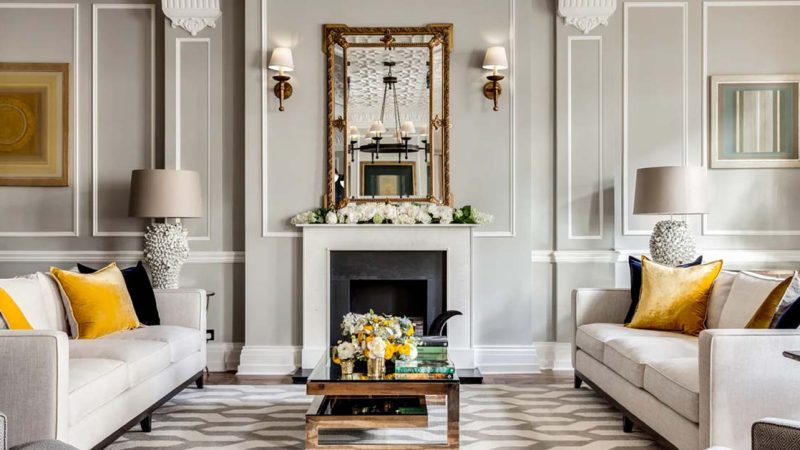
Ideal Pendant Light Height by Room Type
How High Should You Hang a Pendant Light? A Room-by-Room Guide
Pendant lights are more than just decorative pieces—they’re essential tools for defining space, creating mood, and improving usability in your home. But here’s a common mistake: too many people install pendant lights too high or too low, ruining the balance between function and style. The ideal pendant light height isn’t one-size-fits-all. It changes with room type, furniture layout, and even the people who use the space. Whether you’re upgrading your kitchen island, setting up a dining nook, or adding elegance to a hallway, knowing the right height can make all the difference. This guide walks you through everything you need to know—room by room, practical tips, and real-life examples—to help you hang pendant lights that work as well as they look.
Kitchen Islands: The Goldilocks Zone
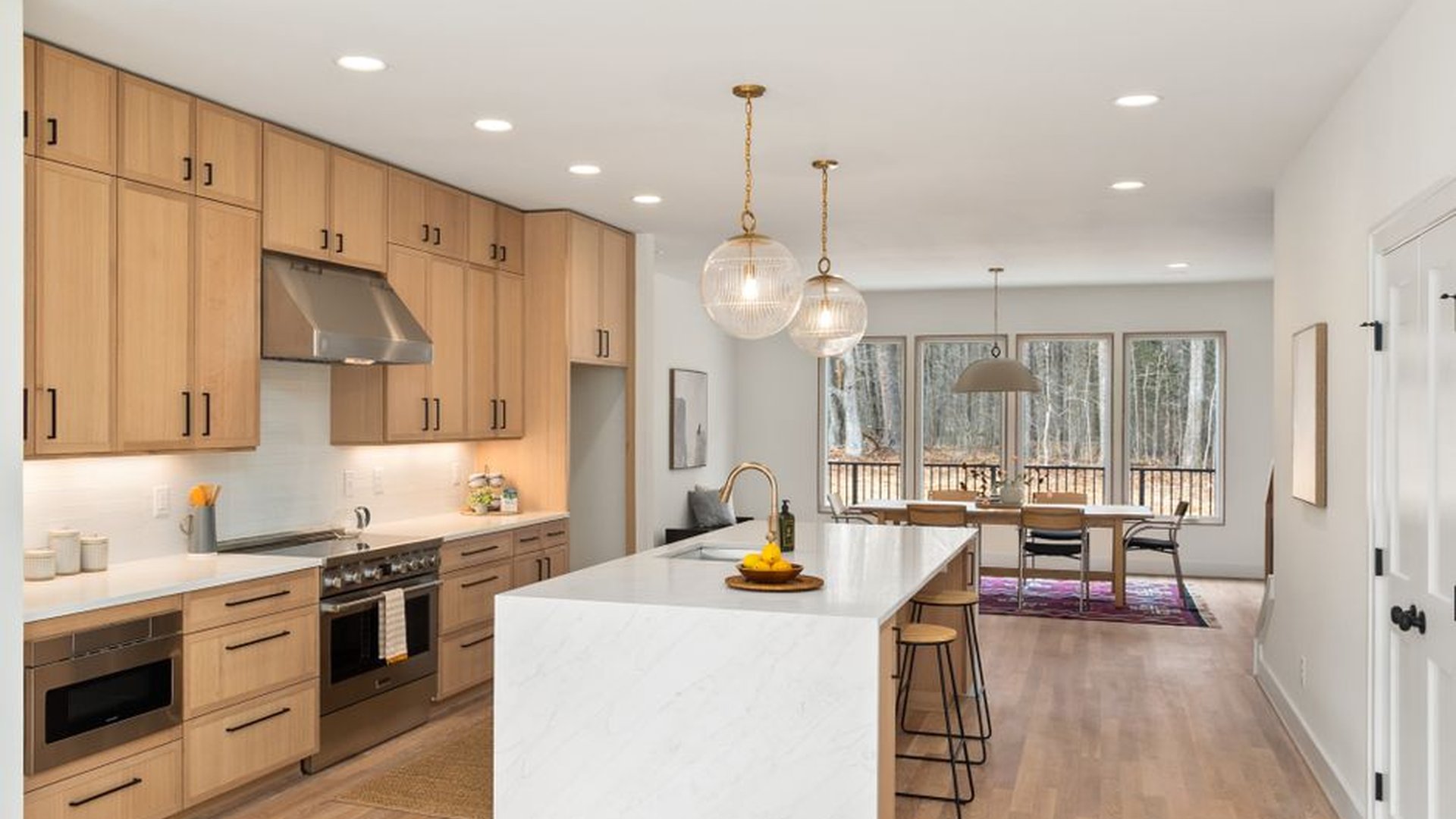
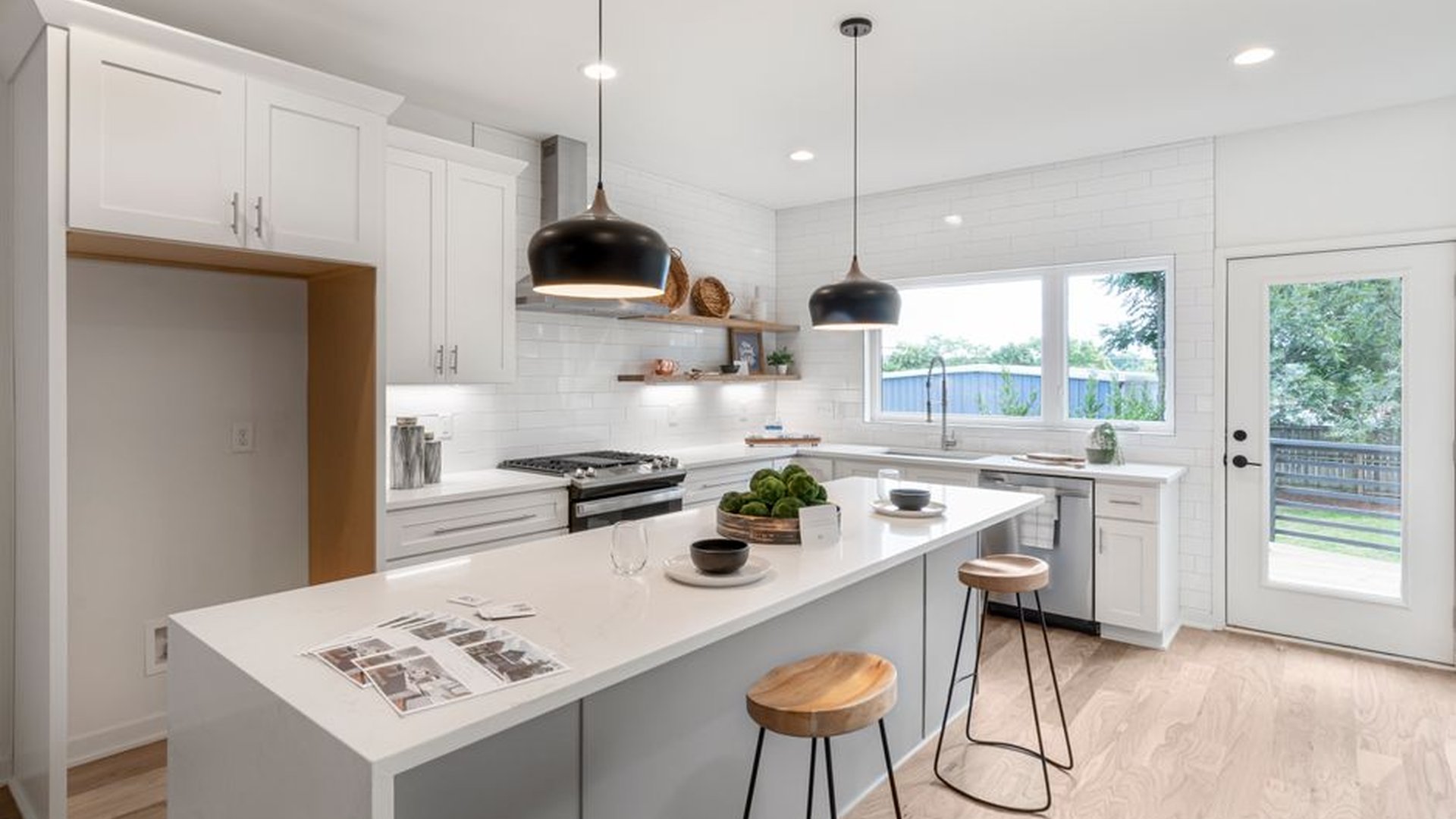
In most kitchens, the kitchen island is the heart of the space. It’s where meals are prepped, coffee is sipped, and guests gather. That’s why pendant lights over islands are not just about ambiance—they’re about safety and visibility. The golden rule? Hang your pendant 30 to 36 inches above the countertop. That’s about 7 feet from the floor, assuming your countertop is 36 inches high. This height ensures light falls directly on the cooking surface, preventing shadows while leaving enough clearance for a person to stand comfortably.
But here’s a real-world example: Sarah, a 38-year-old mom from Austin, Texas, installed two 24-inch pendants over her 6-foot island. At first, she hung them at 42 inches from the counter—too high. She kept bumping her head, and her children couldn’t see the stove clearly. After lowering them to 34 inches, the light felt “just right.” The improved visibility made cooking easier, and the family now uses the island as a morning breakfast station. Remember: if your island has a barstool seating area, make sure the pendants hang 28 to 30 inches above the countertop to maintain comfortable visibility and avoid head bumps.
Dining Rooms: Lighting for Connection and Comfort
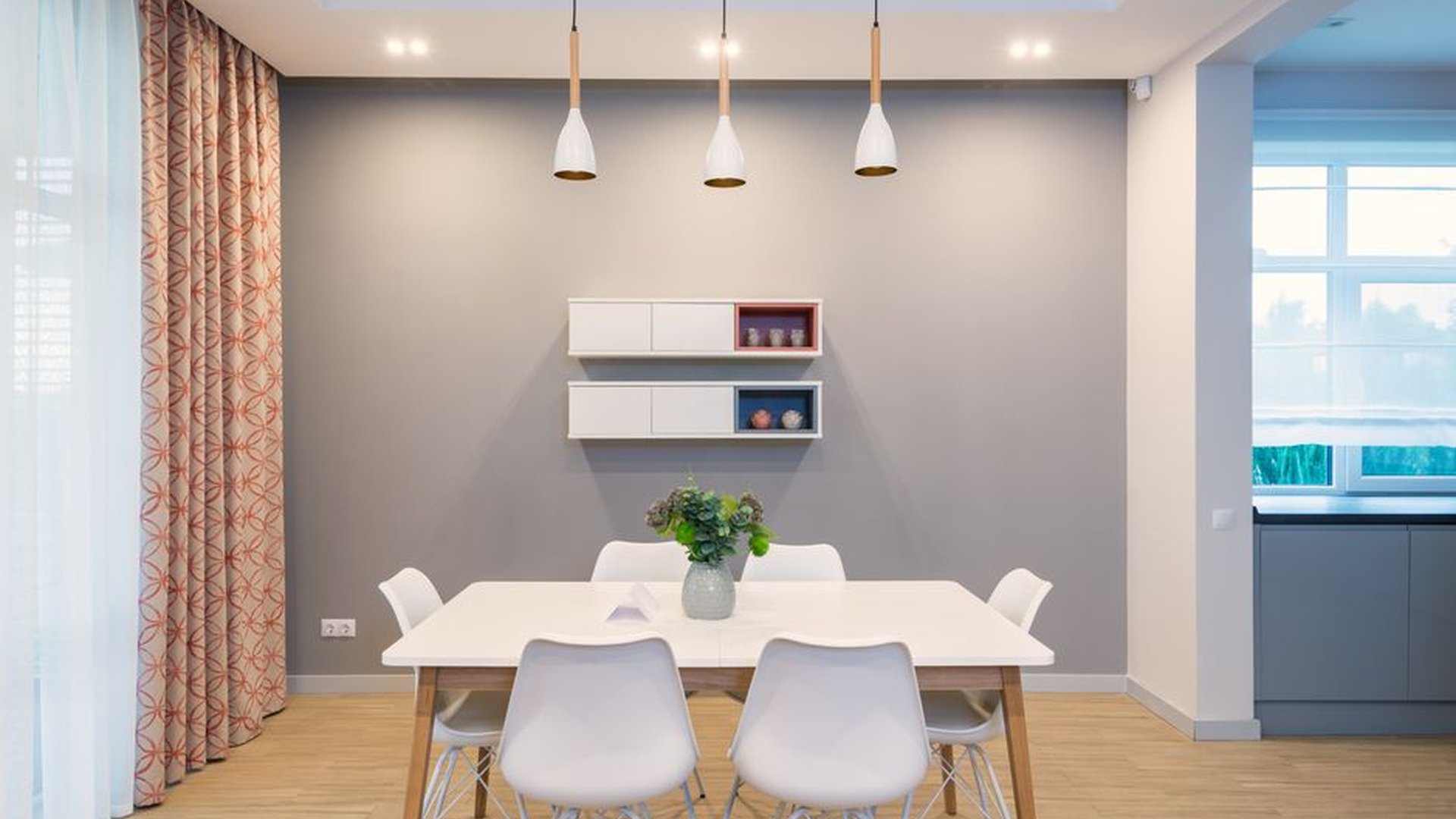
Dining rooms are about gathering, conversation, and connection. A pendant light over a dining table isn’t just for function—it’s a centerpiece of the room. The ideal height here is 30 to 34 inches above the tabletop, meaning the bottom of the fixture should hang about 3 feet above the seat. This creates a warm, intimate glow that encourages good lighting for reading menus, sharing stories, and even enjoying dessert.
A common error? Hanging pendants too high. Emily, a 42-year-old teacher from Portland, Oregon, once installed a dramatic chandelier-style pendant over her 60-inch round table. It was 54 inches from the floor—too low. Guests kept brushing against it. After adjusting to 32 inches above the table, the room felt open again, and the lighting was perfect for evening meals. For larger tables (over 6 feet), go for 36 to 38 inches to ensure even light distribution across the entire surface. And if you’re using a cluster of pendants, keep them at the same height, and space them evenly—about 2 to 3 feet apart.
Entryways and Hallways: Creating a Welcoming First Impression
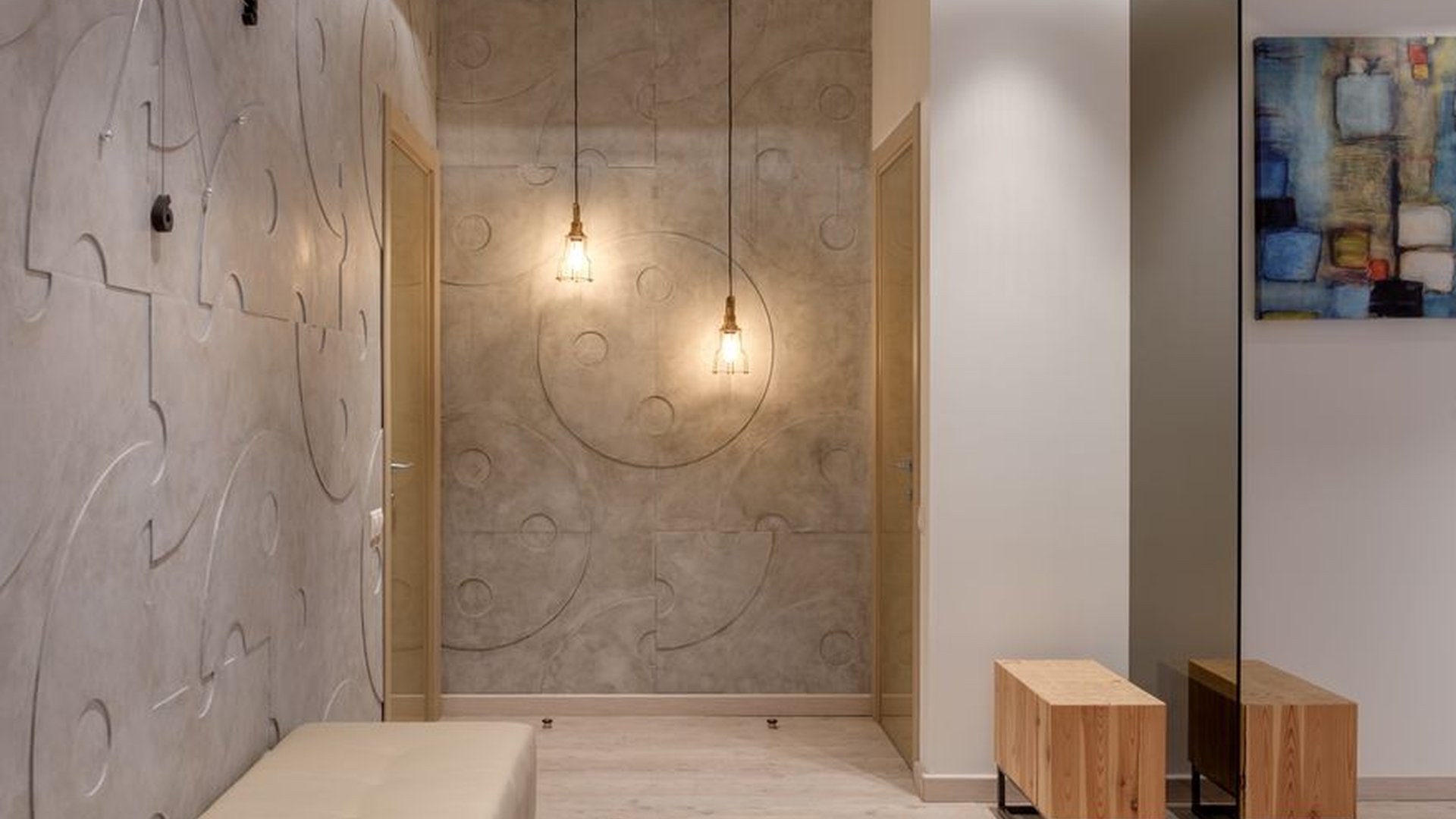
Hallways and entryways are often overlooked when it comes to lighting—but they set the tone for your home. A well-placed pendant light adds warmth, reduces shadows, and guides visitors through your space. The ideal height here is 7 to 7.5 feet from the floor. That’s roughly head-level for most adults, which ensures good visibility without being intrusive.
Take Mark, a 45-year-old homebuilder from Denver, Colorado. He installed a single, slim pendant at 7.2 feet in his front hallway. It wasn’t too low, so he didn’t have to stoop, and not too high, so it still added a touch of elegance. The light casts a soft halo that makes the space feel welcoming. Be mindful: in wide hallways, use more than one light, spaced 6 to 8 feet apart, to avoid dark corners. For shorter hallways (under 10 feet), a single pendant at the center works best. Avoid very large, heavy fixtures here—clean lines, simple shapes, and neutral finishes keep the space feeling open and modern.
Bedrooms and Reading Nooks: Intimate, Focused Light
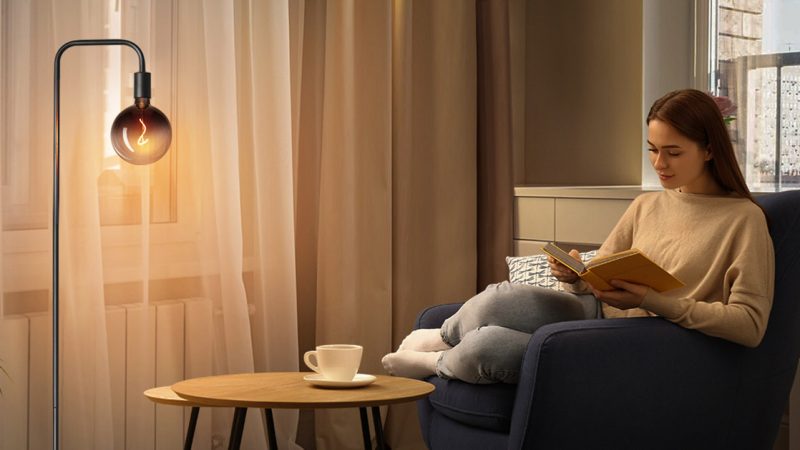
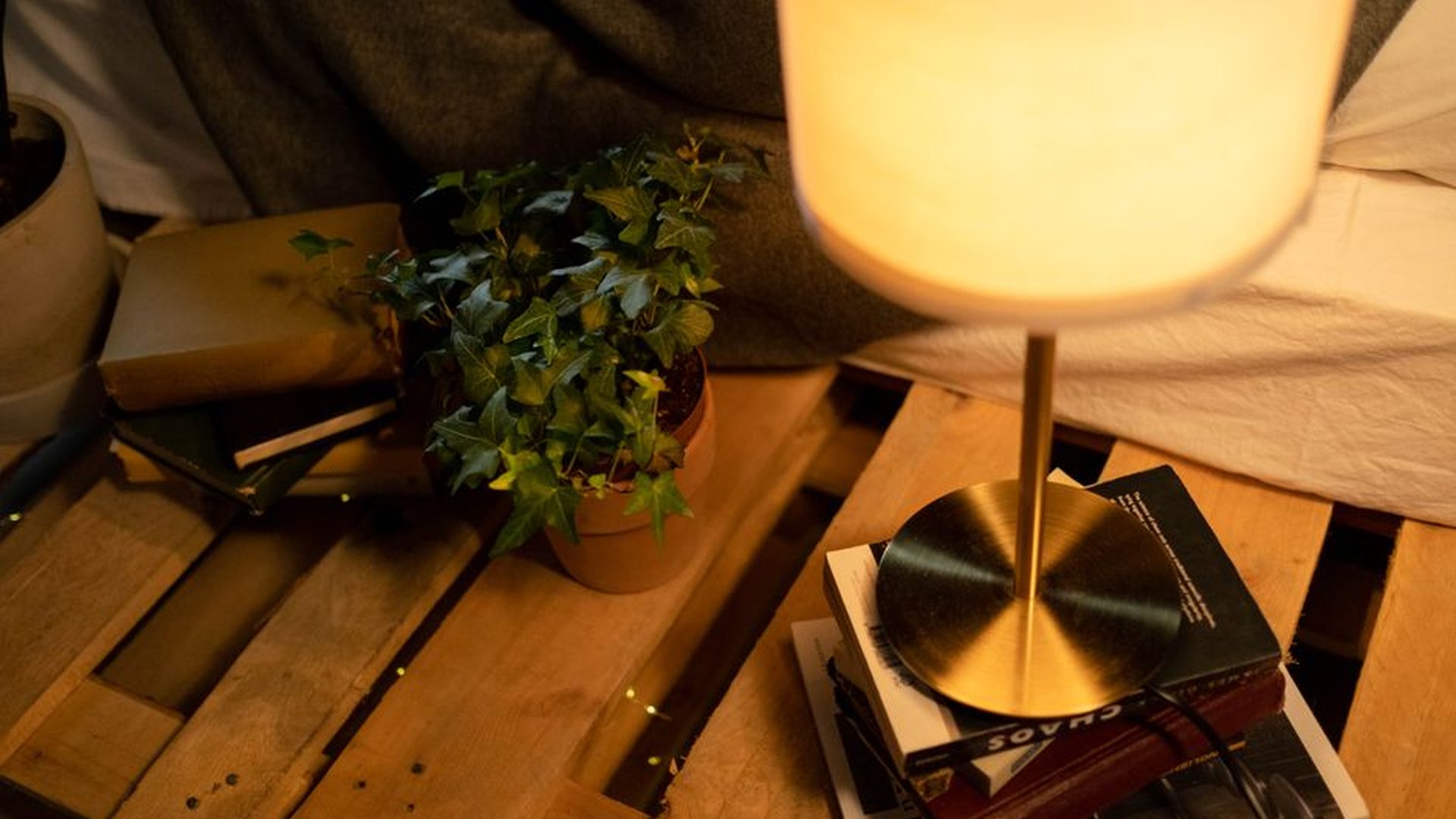
While pendant lights aren’t common in bedrooms, they’re a stylish choice for reading nooks, bedside seating, or under-window lounging areas. The goal here is not overhead illumination, but focused, mood-enhancing light. Hang the pendant 30 to 36 inches above the seating surface. That’s 2 to 3 feet above a chair or small table.
Consider this example: Lisa, a 35-year-old freelance writer from Seattle, used a small brass pendant above her favorite armchair. It hung 34 inches above the seat. The light was bright enough to read by, yet soft enough to block out room glare. It became her go-to spot for morning writing sessions. For bedroom applications, avoid narrow spotlight pendants. Instead, opt for soft, diffused shades—especially if the room is used for relaxation or sleep.
Living Rooms and Lounges: Use Light to Define Zones
Living rooms are flexible spaces, and pendant lights can help define different zones—like a reading area, a game corner, or even a lounge near a window. The ideal height here depends on the furniture below. For a 12-foot-high ceiling, hang pendants 6 to 7 feet from the floor, especially when they’re used as task lighting over a side table or around a seating cluster.
David, a 48-year-old designer from Boston, used three smaller pendants over a low lounge table in his living room. He mounted them at 6.5 feet, with a 2-foot gap between each light. The result was a focused, cozy atmosphere without overwhelming the room. If you’re using multiple pendants, avoid placing them higher than 7 feet—unless the room is very tall (over 11 feet). In those cases, you can go as high as 8 feet, but keep the spacing tight so the lights feel connected.
Final Tips: Measure Twice, Hang Once
The best lighting always starts with measurement. Use a tape measure and hold a cardboard cutout of your pendant to test height in real space. Consider ceiling height—low ceilings (under 8 feet) call for pendants at 7 feet or lower to avoid a “cramped” look. High ceilings (9 feet and above) let you go a bit higher, but still keep pendants within reach for maintenance and safety.
Always match your pendant’s look to your room’s style—minimalist for modern spaces, bronze for rustic, glass for transitional. And remember: the best pendant lights are those that serve a purpose. Whether it’s helping you see the pancake flipping on a pan, highlighting your favorite dinner plate, or creating a soft glow for reading, lighting should work for you. With the right height, you’re not just buying a light—you’re building comfort, confidence, and connection, one room at a time.