Soft Fabrics, Beautiful Spaces: A Guide to Selecting Curtains for Modern Interiors
How Soft Fabrics Elevate Modern Interior Design
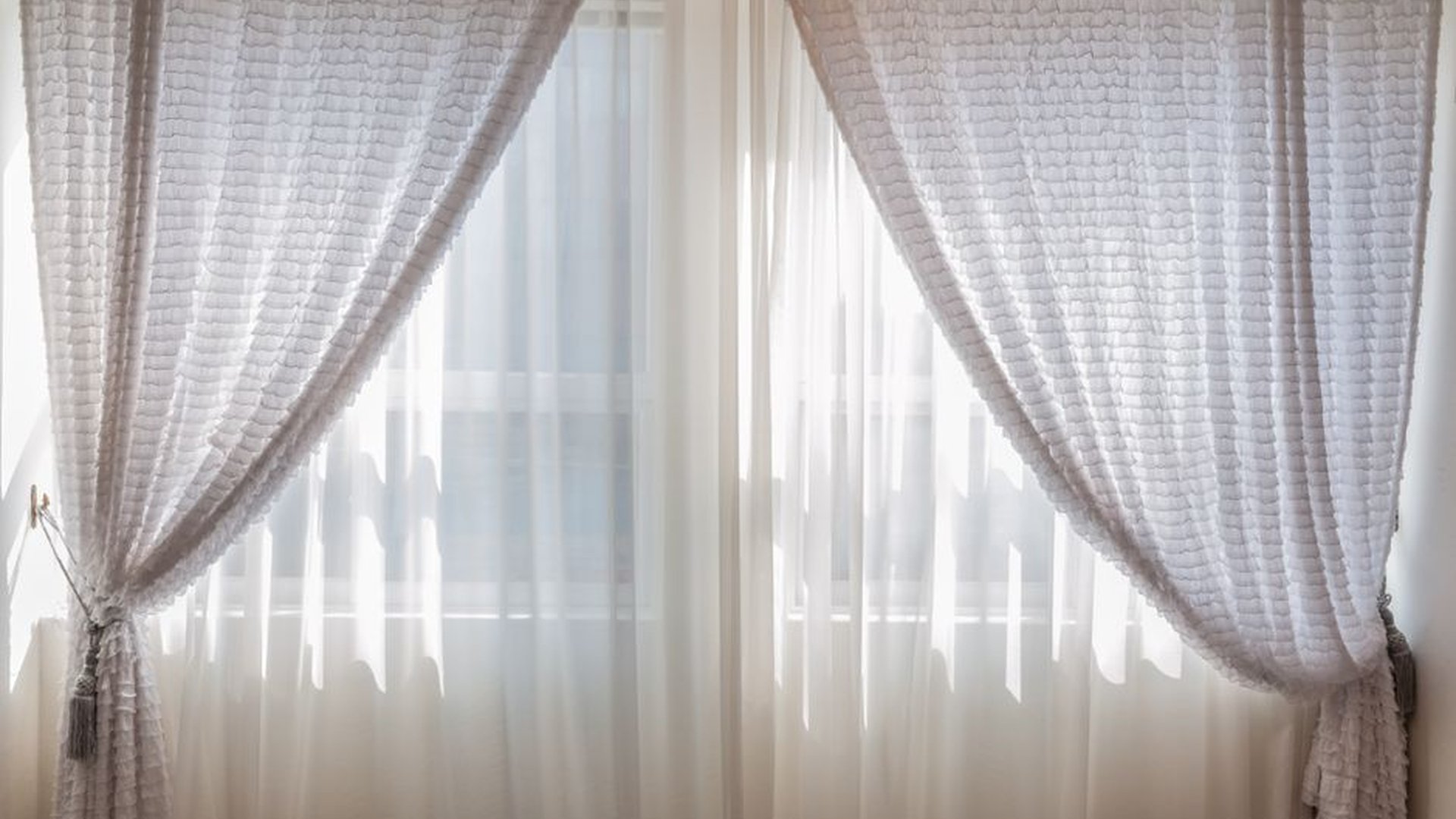
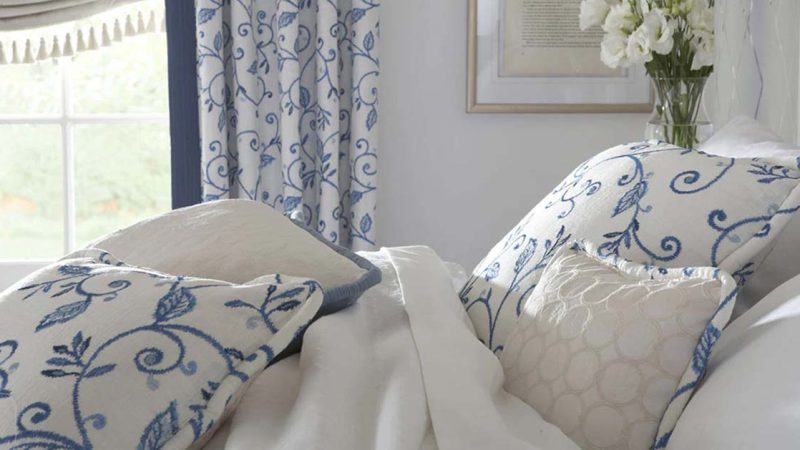
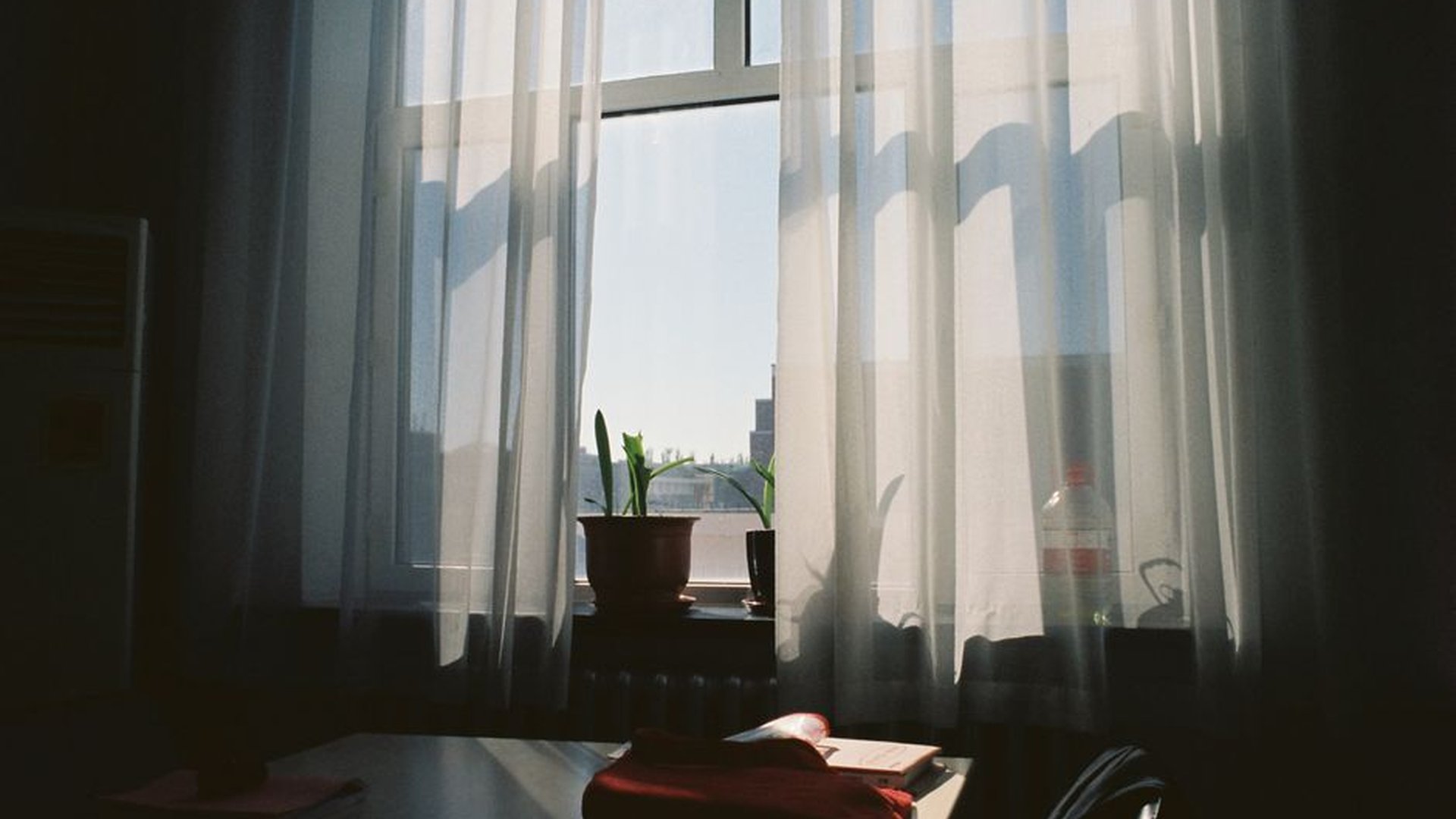
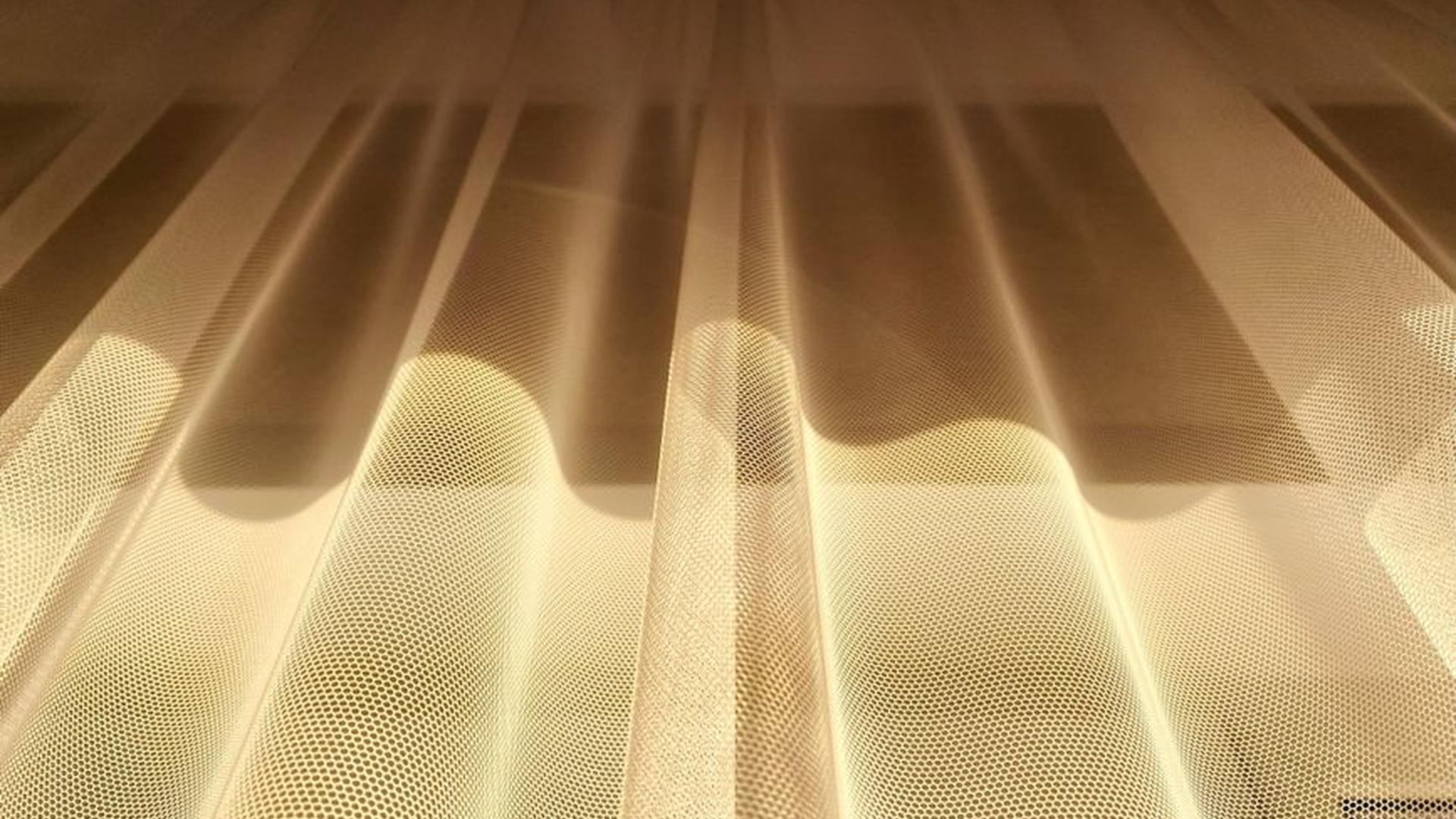
When it comes to modern interiors, the details often make the difference between a room that feels cold and one that feels warm and inviting. Soft fabrics are more than just a visual treat—they’re a game-changer in how we experience our homes. Think of a living room bathed in morning light, curtains gently swaying as sunlight filters through. The texture, the drape, the way the fabric catches the light—these aren’t just aesthetic choices. They’re emotional ones. In a world where many homes feel sterile and over-designed, soft fabrics bring humanity back into the space. Whether it’s a sheer linen panel, a heavy velvet drapery, or a lightweight cotton voile, choosing the right fabric isn’t just about looks—it’s about comfort, mood, and how a space makes you feel.
Choosing the Right Fabric for Your Space and Lifestyle
Not all soft fabrics are created equal, and matching your fabric to your lifestyle is key. For example, if you live in a sunny, open-plan apartment in Austin, Texas, you likely want curtains that diffuse harsh light while still letting in natural warmth. A cotton-linen blend offers breathability, light filtration, and a natural, slightly textured look that complements modern scandinavian or mid-century styles. These fabrics are often easy to clean and resist fading, making them ideal for high-traffic, sun-exposed areas.
On the other hand, if you’re in a colder, foggy climate—say, Seattle, Washington—where long winters stretch into gray afternoons, you’ll want fabrics that insulate and create intimate, cozy zones. Thick velvet or faux-fur-lined curtains help block drafts and reduce noise from city streets. They also add a sense of luxury, transforming a simple window into a focal point of comfort. In one real-life example, a couple in downtown Seattle replaced their thin, polyester blinds with heavyweight cotton-blend curtains and noticed a 15% drop in heating costs during winter months. The softness wasn’t just a design win—it was a practical one.
Color, Texture, and Layering for Depth and Impact
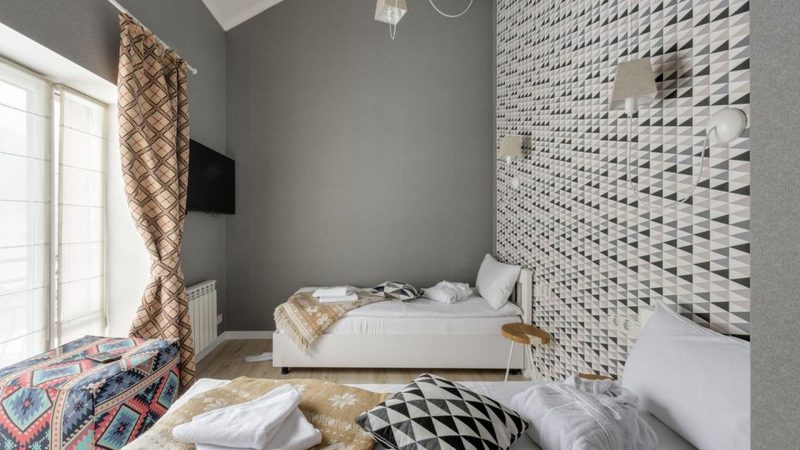
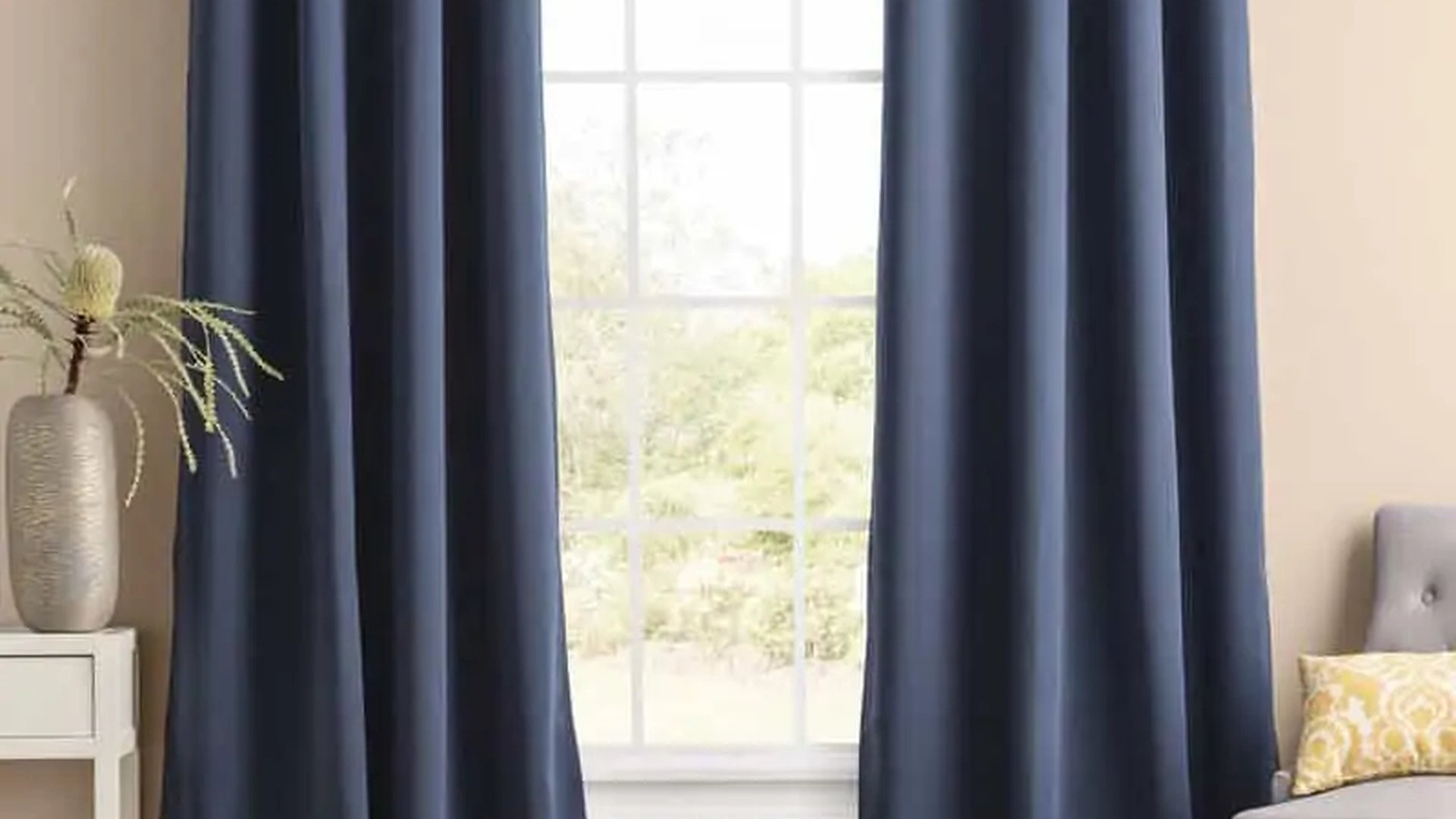
Design isn’t just about what you see—it’s about what you feel. When selecting curtains, think beyond solid colors. A deep navy velvet pair may look elegant, but it’s the texture that gives depth. Combine a light-colored sheer curtain over a darker lined pair to create a layered look that softens light, adds privacy, and introduces visual interest without overwhelming the space. This technique works especially well in open-concept kitchens and living areas, where flow and continuity are essential.
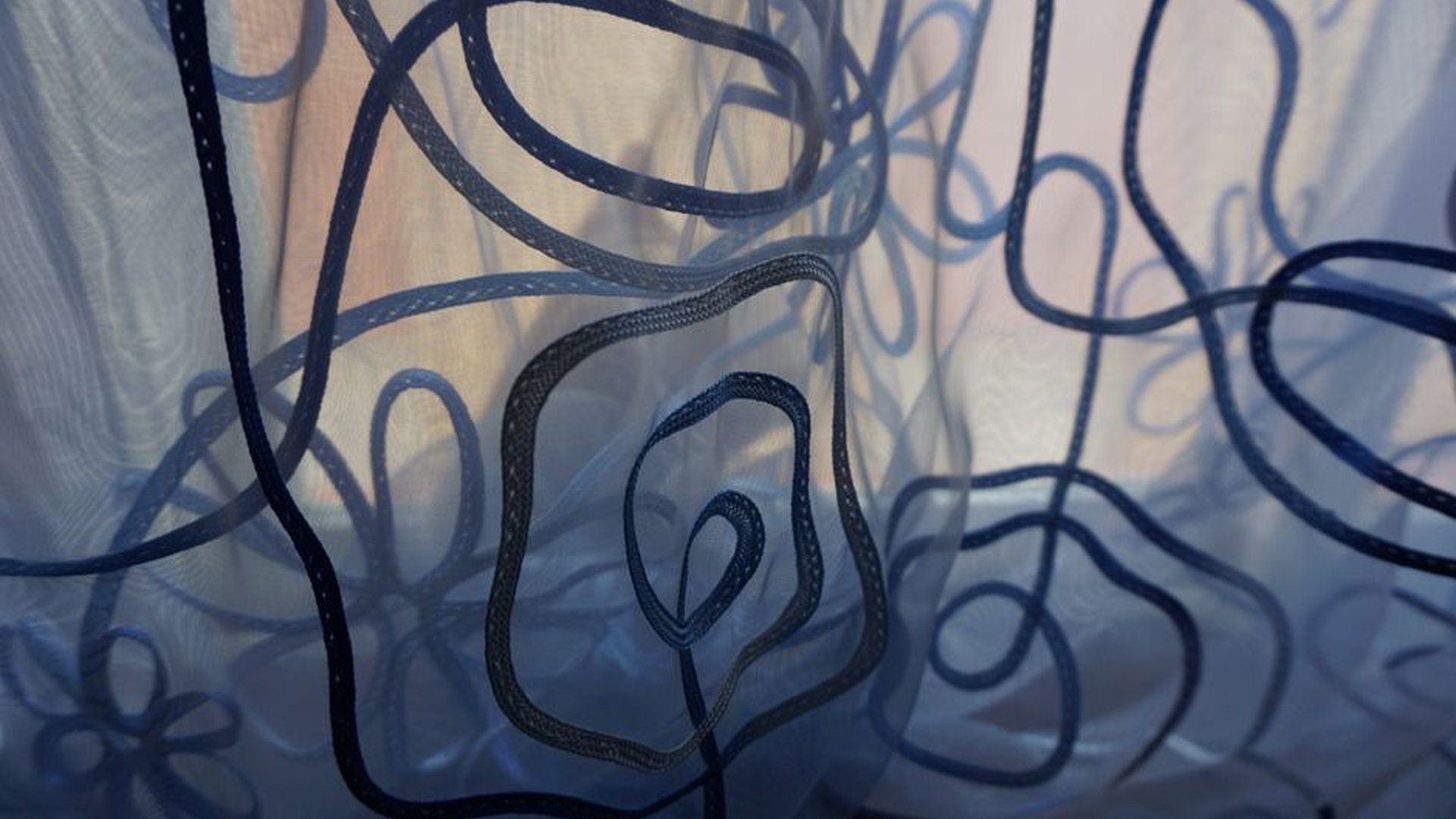
One couple in Portland, Oregon, used this method to unify a large studio apartment with uneven lighting and mismatched furniture. They installed floor-length, light gray linens on the main windows and added a second layer of charcoal-gray silk sheers on the bedroom window. The result? A seamless transition between zones, and a feeling of calm that’s hard to achieve with flat, single-layer treatments. The softness, the way the layers move in the wind, made even the simple act of opening the curtains feel like a small ritual.
Budget-Friendly Tips for Modern Curtain Selection
You don’t need to spend hundreds on curtain treatments to achieve a high-end look. The secret lies in smart choices and smart sourcing. Many home shoppers overlook simple, high-quality basics that can be found at retailers like Target, Wayfair, or even local secondhand stores. A $35 pair of pre-made cotton curtains with a double-layer design and hidden linings can look more expensive than a $100 custom order.
One cost-effective strategy is to buy fabric by the yard and use a simple curtain rod with a wide track. A couple in Denver, Colorado, used 10 yards of medium-weight, machine-washable cotton from a discount home store to make three sets of floor-length curtains for under $80 total. They used a simple grommet rod and managed the installation in under three hours. The result? A living room that felt both personal and professional, without needing a designer’s help.
Also, don’t overlook secondhand marketplaces. Platforms like Facebook Marketplace or local thrift stores often carry designer-style fabrics in excellent condition. One woman in Nashville purchased a pair of vintage silk curtains for $20 and used them as a backdrop for her small kitchen nook. The rich gold tone added warmth to a neutral, modern kitchen, and the texture made the space feel curated, not cluttered.
Final Thoughts: Softness Is a Feature, Not Just a Feeling
In modern interiors, soft fabrics are more than a backdrop. They’re a form of design language—silent, but powerful. They can raise a room’s emotional tone, reduce noise, improve insulation, and even help regulate indoor light. When done right, they turn a window from a simple opening into a moment of beauty and peace.
Whether you’re updating one window or refreshing an entire home, remember: great design isn’t about the most expensive materials. It’s about balance—between function and beauty, budget and quality, simplicity and soul. Soft fabrics, when chosen with care, don’t just decorate your space. They transform it—into a place that doesn’t just look good, but feels good to be in.