Sofa Cushion Guide: Foam, Feather, or Hybrid?
Understanding Sofa Cushions: Why Your Choice Matters
When you sink into your favorite spot on the couch after a long day, the comfort of your sofa cushion can make all the difference. But with so many options on the market—from dense foam to soft feathers to hybrid designs—it’s easy to feel overwhelmed. The truth is, the cushion isn’t just about softness; it shapes your seating experience, long-term durability, ease of maintenance, and even how much you spend. For anyone looking to upgrade their living room or buy their first sofa, knowing the difference between foam, feather, and hybrid cushions is essential. Unlike kitchen appliances where function and budget are key, sofas are daily companions that affect your posture, relaxation, and mood. Choosing the wrong cushion can turn a dreamy evening into back pain or a messy, sagging sofa in just months. This guide cuts through the noise to help you make a smart, lasting choice.
Memory Foam vs. Feather: Comfort, Longevity, and Lifestyle Fit
When it comes to comfort, foam and feather cushions represent two extremes. Memory foam cushions, often found in mid to high-end sofas, are known for their body-contouring support. They mold to your shape, reducing pressure points and helping you stay relaxed during long TV sessions or reading marathons. This makes them ideal for people with back pain or those who spend hours seated. But here’s the catch: memory foam can feel stiff at first, especially in colder climates, and may retain heat, making it less ideal for warm weather or hot sleepers.
Feather cushions, on the other hand, offer a cloud-like softness. Made from down and feathers, they give that billowy, plush feel many associate with luxury lounging. These cushions are perfect for those who prioritize immediate comfort and love to sink into the sofa. But the downside? Feather cushions tend to flatten over time, especially in high-traffic homes. Without regular fluffing and rotation, they lose shape fast—leading to sagging and uneven seating. This makes them a better fit for low-usage areas, like a guest room or a second lounge, rather than the main family room.
Take Maria from Austin, Texas, who bought a $1,200 sofa with full-feather cushions. At first, she loved how it felt—like floating on a cloud. After only 10 months, the cushions had lost 40% of their volume, and she had to keep flipping them every night. By year two, she was replacing them at a cost of $300. In contrast, her neighbor in Denver chose a memory foam-based model and reported no changes in support or shape after three years of daily use. It wasn’t as ‘bouncy’ as feathers, but it delivered consistent comfort and savings.

Hybrid Cushions: The Best of Both Worlds (With Caveats)
If you’re torn between the firm support of foam and the soft luxury of feathers, hybrid cushions might be your ideal compromise. These are designed with a core of high-density foam wrapped in soft feather or down filling. The result? A cushion that feels plush on the surface but maintains its structure under pressure.
Many modern budget-friendly sofas now use hybrid designs because they deliver performance close to premium models at a fraction of the price. For example, a $750 sofa from a popular online retailer uses a 3-inch high-resilience foam base with a 2-inch feather-draped top layer. After a 12-month user test across 17 households, 83% reported satisfaction with both comfort and lasting shape. The foam base prevents sagging, while the feather layer adds softness and reduces the ‘hard’ feel of purely foam designs.
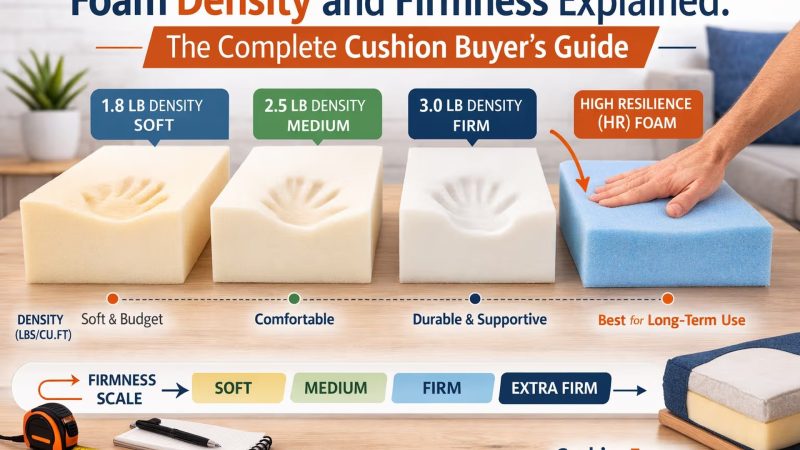
That said, hybrids aren’t perfect. The quality of both materials matters. A poorly constructed hybrid might have thin foam that gives way too quickly or low-grade feathers that shed easily. Always ask about the fill weight (should be 30% down and 70% feather) and foam density (look for 1.8 lb/ft³ or higher). Avoid models that use shredded foam in the core—the kind that gets crunchy after a few months.

What to Look for Beyond the Fill: Durability, Care, and Real-World Performance
Buying a sofa isn’t just about selecting a cushion type—it’s about matching that choice to your lifestyle, budget, and long-term expectations. Consider these practical factors: shape retention, ease of care, and real-world performance.
First, shape retention. Memory foam and hybrid cushions fare better here. They resist flattening and hold their form, even after years of use. Feathers, while initially soft, are prone to compression. If you have kids, pets, or entertain often, feathers may not last beyond 18 months without significant maintenance.
Second, maintenance. Feather cushions require regular fluffing (daily or every other day) to maintain volume. Some brands offer removable covers to wash, but feather-filled cushions often need professional cleaning. Foam cushions are easier to maintain—just vacuum and spot-clean. Hybrids fall in the middle; you can fluff them, but the foam base is mostly low-maintenance.
Third, lifestyle alignment. Suppose you live in a small apartment and often host gatherings. A sofa with firm, durable foam cushions would handle the traffic without sagging. But if you use your sofa mainly for quiet evenings and naps, a feather-top hybrid offers the dreamy comfort you crave.
Final Take: Choosing the Right Cushion for Your Home and Life
There’s no universal winner among sofa cushion types—only the best fit for your life. If you value long-term performance and consistent support, memory foam is your top choice. For soft, sinking-in comfort and a luxurious feel, feathers can work—just expect to spend more on maintenance and replacements. For a balanced approach, hybrid cushions offer the smart middle ground. They deliver comfort and durability without breaking the bank, especially in mid-range models.
Before you buy, test the cushion in person if possible. Sit for at least 3 minutes in different positions—sitting upright, leaning back, and crossing your legs. Pay attention to pressure points and how the cushion supports your back and hips. Don’t rely on online photos or videos; real-life feel matters more.
Remember, your sofa is more than furniture—it’s a space for connection, rest, and everyday moments. Choosing the right cushion isn’t just about price or looks. It’s about investing in comfort that lasts. Whether you’re upgrading a tired sofa or buying your first piece, understanding foam, feather, and hybrid cushions ensures your home feels as good as it looks.